
- 4
- 1,664 word
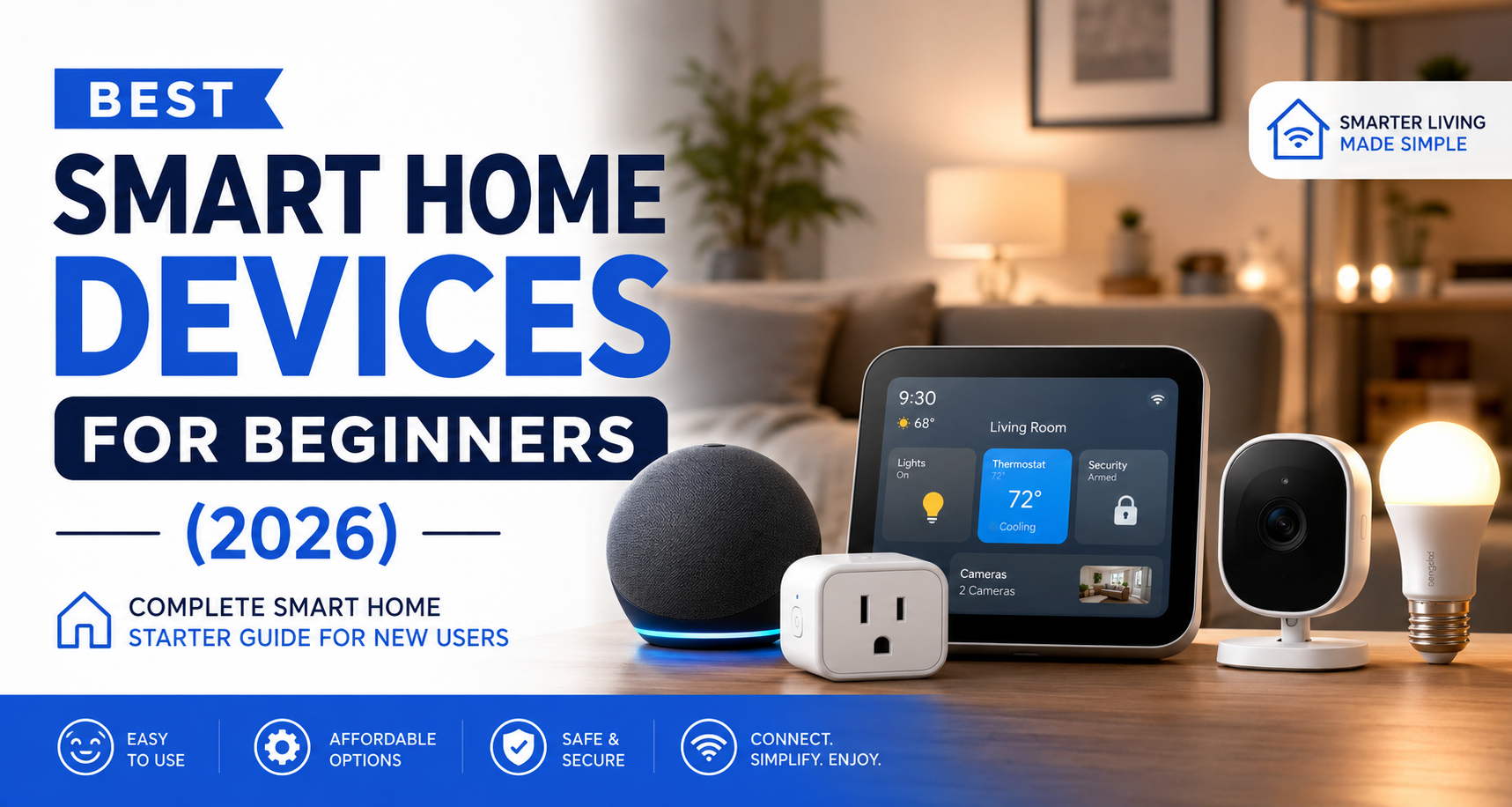
Smart homes are no longer a luxury reserved for tech enthusiasts. In 2026, connected devices have become easier to install, more affordable, and significantly smarter than ever before. Over the last 15 years, I have tested hundreds of smart speakers, lighting systems, security cameras, smart thermostats, and home automation platforms. One thing has become clear: beginners now have more choices and fewer barriers than at any other time in smart home history.
Yet many first-time buyers still feel overwhelmed.
Should you start with a smart speaker? Do you need a hub? Which ecosystem should you choose? Can you build a smart home without spending thousands of dollars?
These are the same questions I hear from readers and clients every week.
The good news is that beginner smart home automation has become remarkably simple. Modern ecosystems allow users to control lighting, security, climate, and entertainment from a single app or voice assistant.
In this guide, I’ll share the best smart home devices for beginners, practical buying advice, common mistakes to avoid, and a proven roadmap for building your first connected home.
Why Smart Home Technology Is Easier Than Ever in 2026
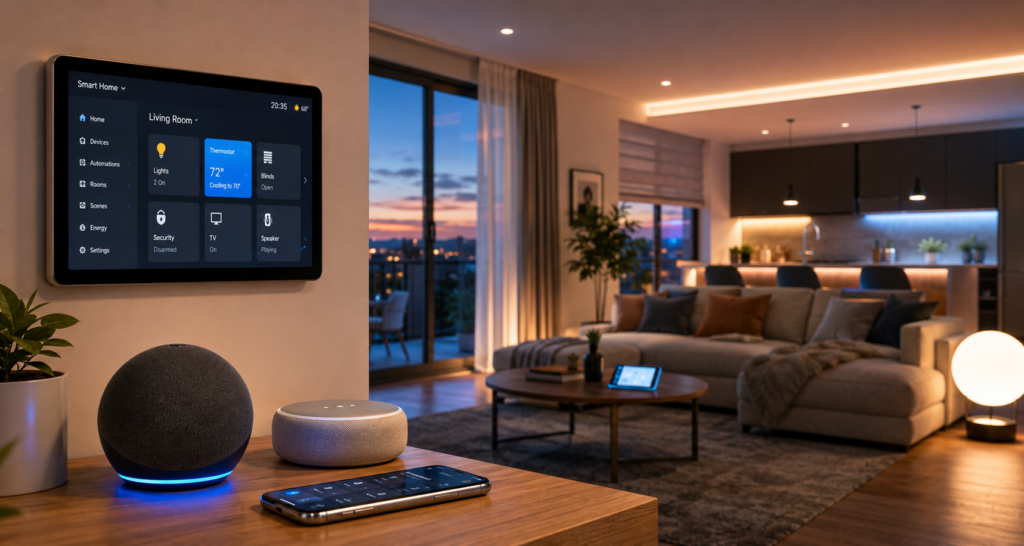
The biggest reason smart homes have become beginner-friendly is the arrival of the Matter standard.
Matter is an industry-wide protocol supported by major brands including Apple, Google, Amazon, Samsung, and many device manufacturers. Instead of worrying about compatibility issues, consumers can now purchase devices knowing they will work together more easily.
Helpful resources:
- Google Home: https://home.google.com
- Amazon Alexa: https://www.amazon.com/alexa
- Apple Home: https://www.apple.com/home-app
- Matter Standard: https://buildwithmatter.com
Better Device Compatibility
Five years ago, compatibility was one of the biggest frustrations in beginner smart home automation. Today, Matter-certified products significantly reduce setup headaches.
AI-Powered Automation
Modern smart assistants can learn routines, predict behavior patterns, and automate tasks without requiring advanced technical knowledge.
Faster Setup
Many devices now take less than five minutes to configure. QR-code onboarding and automatic device discovery have simplified the entire process.
For anyone building a smart home starter kit 2026, this is the easiest time in history to get started.
What Beginners Should Buy First
The best smart home setup for new users starts with a few foundational devices rather than an entire house full of gadgets.
Smart Speakers
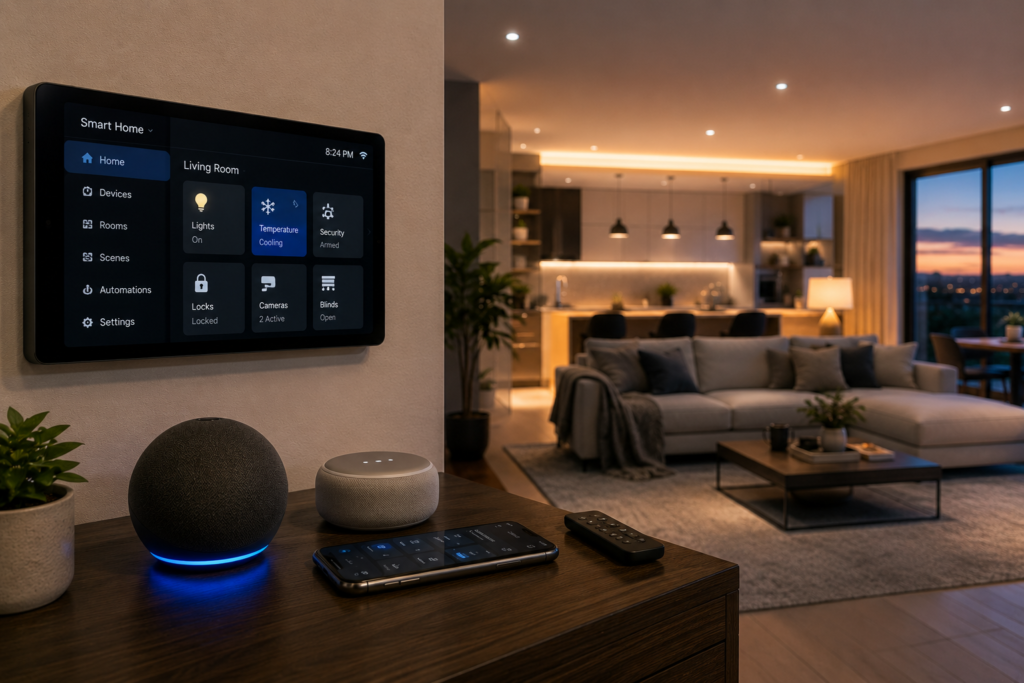
Smart speakers act as the control center of your smart home.
Benefits
- Voice control
- Automation routines
- Device management
- Music streaming
Setup Difficulty
Easy
Average Price Range
$40–$150
Real-World Usage
I use smart speakers daily for weather updates, reminders, controlling lights, and managing routines.
Expert Recommendation
Amazon Echo and Google Nest remain excellent beginner choices.
Smart Lights
Smart bulbs offer the fastest and most noticeable upgrade.
Benefits
- Remote control
- Scheduling
- Energy savings
- Ambiance customization
Setup Difficulty
Very Easy
Average Price Range
$10–$50 per bulb
Real-World Usage
Smart lighting remains the first device category I recommend because users instantly experience the convenience.
Expert Recommendation
Philips Hue and TP-Link Tapo provide excellent reliability.
Smart Plugs
Among the most affordable smart home gadgets available.
Benefits
- Convert traditional devices into smart devices
- Scheduling
- Energy monitoring
Setup Difficulty
Very Easy
Average Price Range
$10–$30
Real-World Usage
I frequently automate lamps, coffee makers, and fans using smart plugs.
Expert Recommendation
TP-Link Kasa Smart Plug.
Smart Security Cameras
Security cameras provide peace of mind and remote monitoring.
Benefits
- Motion detection
- Cloud recording
- Mobile alerts
Setup Difficulty
Moderate
Average Price Range
$40–$250
Real-World Usage
For families and homeowners, cameras often deliver the highest long-term value.
Expert Recommendation
Google Nest Cam and Arlo Essential.
Video Doorbells
A practical security upgrade.
Benefits
- Visitor notifications
- Package monitoring
- Two-way communication
Setup Difficulty
Moderate
Average Price Range
$80–$300
Expert Recommendation
Ring Video Doorbell and Nest Doorbell.
Smart Thermostats
One of the most effective devices for reducing energy bills.
Benefits
- Automated climate control
- Energy savings
- Remote management
Setup Difficulty
Moderate
Average Price Range
$100–$300
Expert Recommendation
Google Nest Learning Thermostat.
Comparison Table
| Device Type | Beginner Friendly | Estimated Cost | Ease of Setup | Best Use Case |
|---|---|---|---|---|
| Smart Speaker | Excellent | $40–$150 | Easy | Voice control hub |
| Smart Bulb | Excellent | $10–$50 | Very Easy | Lighting automation |
| Smart Plug | Excellent | $10–$30 | Very Easy | Appliance control |
| Security Camera | Good | $40–$250 | Moderate | Home monitoring |
| Video Doorbell | Good | $80–$300 | Moderate | Entry security |
| Smart Thermostat | Good | $100–$300 | Moderate | Energy savings |
Best Smart Home Devices for Beginners in 2026
Smart Speaker: Amazon Echo (4th Gen)
Product Overview
One of the best smart home devices for beginners thanks to Alexa’s mature ecosystem.
Key Features
- Voice assistant
- Matter support
- Smart home hub functionality
Pros
- Excellent automation support
- Large device ecosystem
Cons
- Privacy concerns for some users
Who Should Buy It
Anyone starting a smart home starter kit 2026.
Smart Bulb: Philips Hue White and Color Ambiance
Product Overview
Still the gold standard in smart lighting.
Key Features
- Millions of colors
- Reliable connectivity
- Automation support
Pros
- Exceptional reliability
- Premium experience
Cons
- Higher cost
Who Should Buy It
Users seeking premium lighting.
Smart Plug: TP-Link Kasa Smart Plug
Key Features
- Scheduling
- Voice control
- Energy monitoring
Pros
- Affordable
- Reliable
Cons
- Limited advanced features
Who Should Buy It
Budget-conscious beginners.
Smart Camera: Google Nest Cam
Key Features
- AI-powered detection
- Cloud storage
- Mobile alerts
Pros
- Excellent image quality
- Reliable notifications
Cons
- Subscription costs
Who Should Buy It
Homeowners prioritizing security.
Smart Doorbell: Ring Video Doorbell
Key Features
- HD video
- Motion alerts
- Two-way audio
Pros
- Easy installation
- Strong ecosystem
Cons
- Subscription recommended
Who Should Buy It
Package-conscious households.
Smart Thermostat: Nest Learning Thermostat
Key Features
- Learns user habits
- Energy reports
- Smart scheduling
Pros
- Excellent energy savings
- Premium experience
Cons
- Higher upfront cost
Who Should Buy It
Users wanting long-term savings.
Affordable Smart Home Gadgets Worth Buying
When recommending affordable smart home gadgets, I focus on products that deliver immediate value without requiring expensive ecosystems.
My top budget recommendations include:
- TP-Link Kasa Smart Plug
- Tapo Smart Bulbs
- Amazon Echo Pop
- Wyze Security Cameras
- Aqara Sensors
These devices provide strong reliability, easy installation, and excellent upgrade paths.
Many beginners spend less than $150 and still create a functional smart home setup.
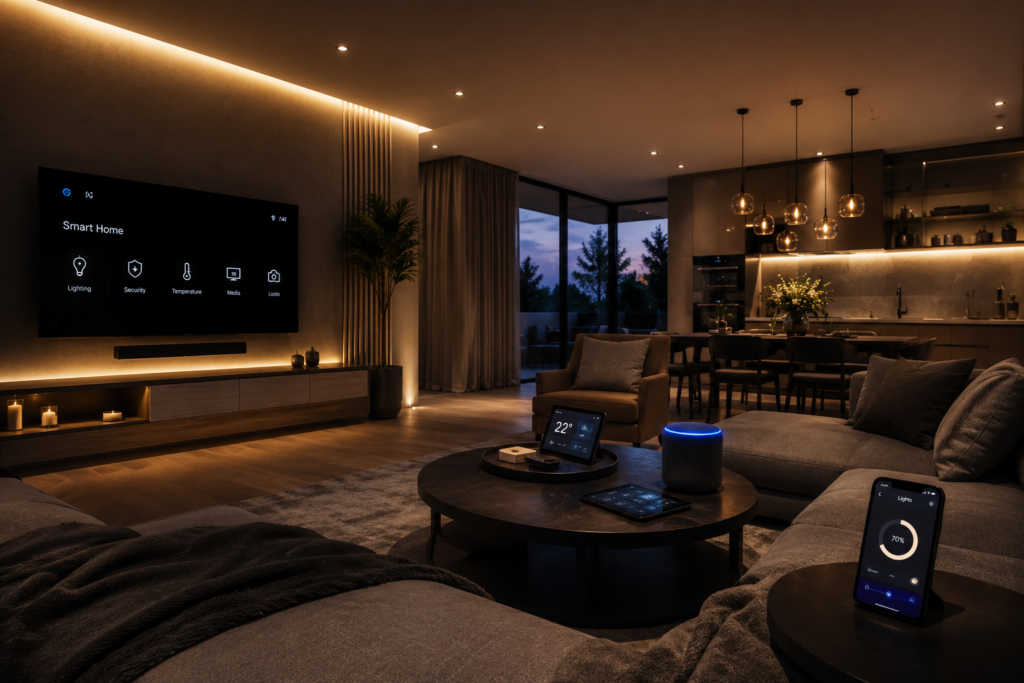
My Experience Building a Beginner Smart Home
Over the years, I have made nearly every mistake possible.
Initially, I purchased too many devices at once. I mixed incompatible ecosystems, used cheap off-brand products, and spent hours troubleshooting connection issues.
The biggest lesson I learned was simple:
Start small.
The devices that delivered the most value were smart speakers, smart lights, and security cameras.
Surprisingly, some gadgets marketed as revolutionary added little practical value. Certain novelty smart appliances looked impressive in demos but rarely improved daily life.
My most-used devices today remain the simplest ones:
- Smart lighting
- Voice assistants
- Smart plugs
- Security cameras
These products consistently provide convenience every single day.
Common Smart Home Mistakes Beginners Should Avoid
Buying Too Many Devices at Once
Start with a few essential devices.
Ignoring Ecosystem Compatibility
Choose one primary ecosystem and build around it.
Choosing Cheap Unknown Brands
Low prices often result in poor reliability and limited support.
Skipping Security Settings
Always enable two-factor authentication and update firmware.
Not Planning Future Expansion
Think about future upgrades before making purchases.
Best Smart Home Setup for New Users
Building the best smart home setup for new users should happen gradually.
Stage 1
- Smart speaker
- Two smart bulbs
This forms the foundation of your smart home starter kit 2026.
Stage 2
- Smart plugs
- Security cameras
This stage introduces automation and security.
Stage 3
- Video doorbell
- Smart thermostat
These devices improve convenience and long-term savings.
This approach spreads costs over time while reducing complexity.
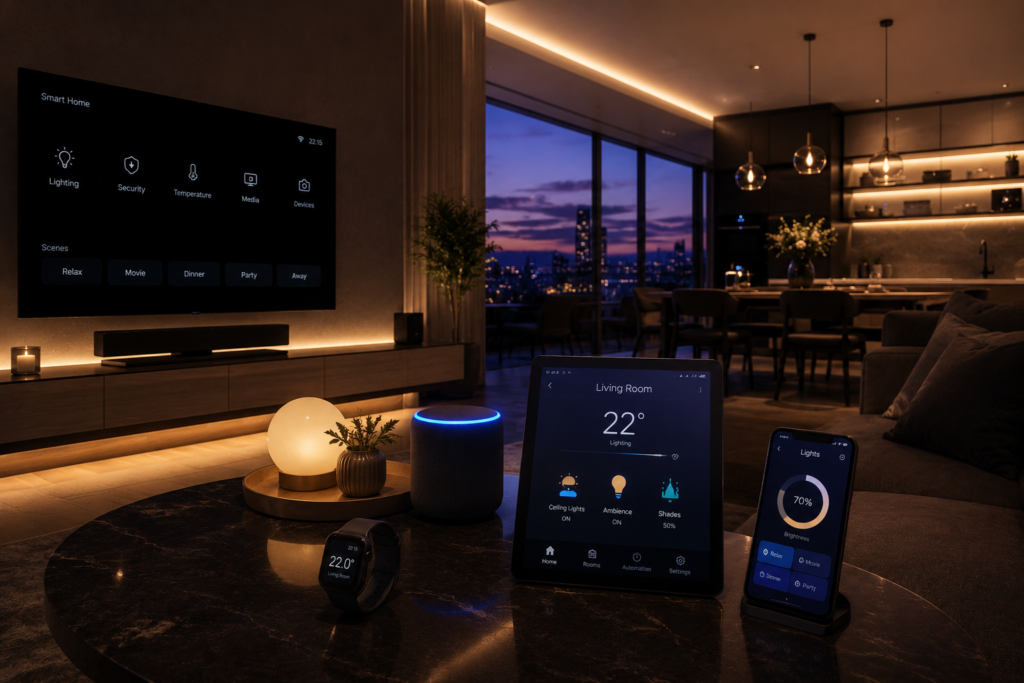
FAQ Section
Are smart home devices difficult to install?
Most modern smart devices take less than 15 minutes to install and configure.
What is the best smart home starter kit 2026?
A smart speaker, smart bulbs, and smart plugs create the ideal foundation.
Can beginners build a smart home on a budget?
Yes. Many affordable smart home gadgets allow users to start for under $100.
Are affordable smart home gadgets reliable?
Products from reputable brands like TP-Link, Tapo, Amazon, and Wyze offer excellent reliability.
Which ecosystem is best for beginners?
Google Home and Amazon Alexa remain the easiest ecosystems for most new users.
Do smart home devices save money?
Yes. Smart thermostats, lighting automation, and energy-monitoring plugs can reduce utility costs over time.
Conclusion
The best smart home devices for beginners are not necessarily the most expensive ones. In my experience, smart speakers, smart bulbs, smart plugs, and security cameras deliver the fastest return on investment while keeping setup simple.
If you’re building a smart home starter kit 2026, focus on reliable devices from trusted brands and avoid purchasing everything at once.
Start with a smart speaker and a few smart lights. Learn how automation works. Then gradually expand with cameras, doorbells, and thermostats.
The future of beginner smart home automation is smarter, simpler, and more affordable than ever. The most successful smart home owners aren’t the ones who buy the most gadgets they’re the ones who build thoughtfully, one device at a time.
Author

razakh6402@gmail.com
Related Posts

Gifts for Programmers: Top Tech Gifts for Developers Worth Buying in 2026
- 0
- 2,340 words
Finding the perfect gifts for programmers isn’t as simple as buying the latest gadget. After spending more than 15 years as a...
Read out all
Best Monitor for Video Editing: Top Color Accurate Monitors for Content Creators (2026 Guide)
- 0
- 2,338 words
Choosing the best monitor for video editing is one of the smartest investments you can make as a creator. Whether you’re editing...
AI Smart Home Devices (2026): Best Smart Home AI, AI Home Automation & AI Home Assistant Gadgets
- 0
- 2,446 words
best portable SSDA decade ago, building a smart home meant controlling a few lights with your smartphone. Today, AI smart home devices...
Read out all
USB-C Hub & Best USB-C Docking Station Guide (2026): Best USB-C Hub, Laptop Docking Station & Thunderbolt Dock Compared
- 0
- 2,195 words
If you’ve purchased a modern laptop in the last few years, you’ve probably noticed one major trend: manufacturers continue removing traditional ports...
Read out all
Best Portable SSD: Top Portable SSD for Video Editing & Creator SSDs (2026 Guide)
- 1
- 2,399 words
Storage has become one of the biggest bottlenecks in modern content creation. A few years ago, I could comfortably edit 1080p footage...
Read out all
Best Mechanical Keyboard for Programming: Top Keyboards for Developers in 2026
- 6
- 1,774 word
After spending more than 15 years writing code, managing servers, reviewing hardware, and working through countless late-night debugging sessions, I’ve learned one...
4 comments