
- 0
- 2,687 words
If someone had told me 15 years ago that I would eventually leave my physical wallet at home more often than my phone, I probably wouldn’t have believed them. Back then, carrying cash and several bank cards was simply part of daily life. Today, after spending years testing payment technologies, reviewing financial apps, and observing how digital banking has evolved across the USA, UK, Canada, Australia, and other markets, I can confidently say that digital wallets have completely changed how we pay.
Whether you’re buying coffee, shopping online, booking flights, sending money to friends, or managing subscriptions, a mobile wallet can make the entire process faster and significantly more secure. However, not every digital payment wallet offers the same features. Some focus on security, while others excel in rewards, international transfers, budgeting tools, or cryptocurrency support.
That’s exactly why a detailed digital wallet comparison matters in 2026.
Over the years, I’ve tested dozens of payment platforms on Android and iPhone devices. One lesson keeps repeating itself: the best digital wallet isn’t necessarily the one with the most features—it’s the one that matches your lifestyle, devices, spending habits, and security expectations.
Digital Wallet Comparison: Why It Matters in 2026
Digital payments have evolved faster during the last decade than many people expected. What started as simple mobile payment apps has transformed into intelligent financial ecosystems capable of replacing physical wallets entirely.
A modern digital wallet now stores:
- Credit cards
- Debit cards
- Loyalty cards
- Event tickets
- Boarding passes
- Driver’s licenses (supported regions)
- Digital IDs
- Cryptocurrency wallets
- Transit passes
- Hotel keys
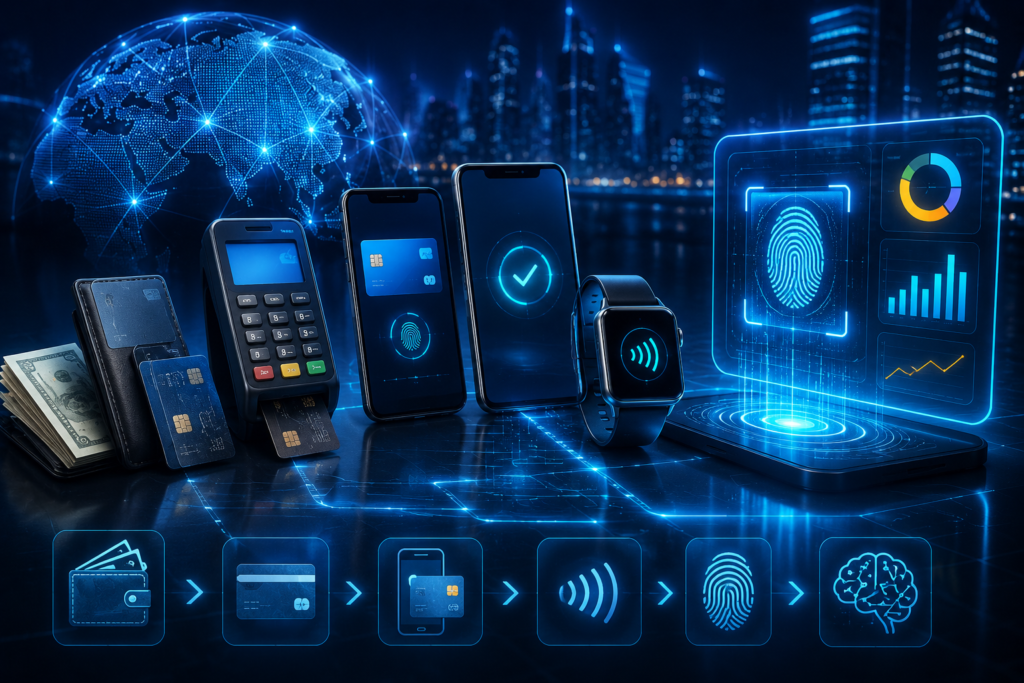
As someone who regularly evaluates payment technology, I’ve noticed one significant trend over recent years: consumers increasingly value convenience without compromising security. Today’s best digital wallet solutions combine biometric authentication, encryption, AI-powered fraud detection, and instant payment processing into one seamless experience.
Contactless Payments Continue to Dominate
Near Field Communication (NFC) technology has become the standard for in-store transactions. Instead of inserting a card, users simply tap their smartphone or smartwatch at a payment terminal.
During my travels across North America and Europe, I found myself using a mobile wallet almost everywhere—from airports and grocery stores to restaurants and public transportation. Contactless payments are no longer a premium feature; they’re becoming the default.
AI Is Making Digital Wallets Smarter
Artificial intelligence is quietly improving every aspect of the digital payment wallet experience.
Modern wallets can now:
- Detect unusual spending patterns
- Warn about suspicious transactions
- Categorize expenses automatically
- Recommend budgeting improvements
- Predict recurring payments
- Personalize financial insights
These AI-driven capabilities help users manage money more effectively while reducing the risk of fraud.
Digital Identity Is Becoming the Next Big Feature
Governments and technology companies are increasingly integrating digital identification into payment apps.
Instead of carrying multiple physical documents, users can securely store supported IDs alongside payment cards. While adoption varies by country, this feature is expected to expand rapidly throughout 2026 and beyond.
Cross-Border Payments Are Improving
One of the biggest frustrations I encountered years ago was paying internationally. High exchange fees and slow bank transfers often created unnecessary complications.
Today’s leading digital payment wallet platforms simplify international payments through:
- Multi-currency accounts
- Real-time exchange rates
- Lower transfer fees
- Faster settlements
- Global merchant acceptance
This is particularly valuable for freelancers, remote workers, travelers, and international businesses.
What Is a Mobile Wallet?
A mobile wallet is a secure digital application that stores payment information electronically, allowing users to make purchases, transfer money, and manage financial credentials using smartphones, tablets, or wearable devices.
Think of it as your physical wallet—but significantly smarter.
Instead of carrying multiple plastic cards, everything is securely encrypted and stored within the app.
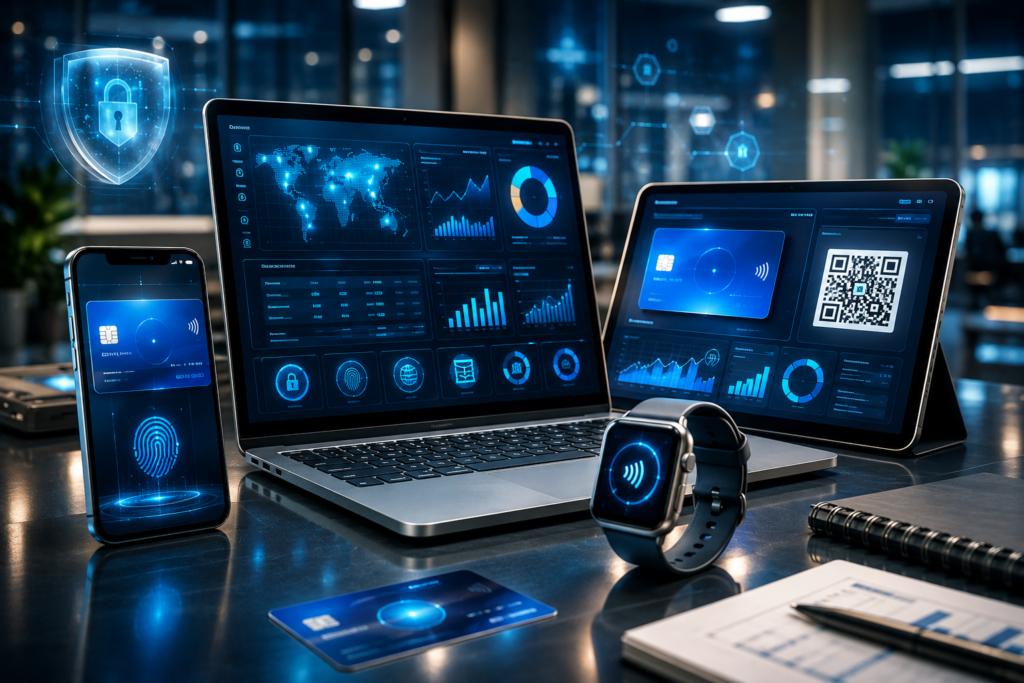
Common examples include:
- Apple Pay
- Google Wallet
- Samsung Wallet
- PayPal
- Cash App
Most digital wallet platforms support both online and in-store transactions.
How Does a Mobile Wallet Work?
When you add your debit or credit card to a digital payment wallet, the actual card number is not shared with merchants during transactions.
Instead, the wallet creates a secure encrypted token—a unique digital identifier used to process payments safely.
This process, called tokenization, dramatically reduces the risk of card theft.
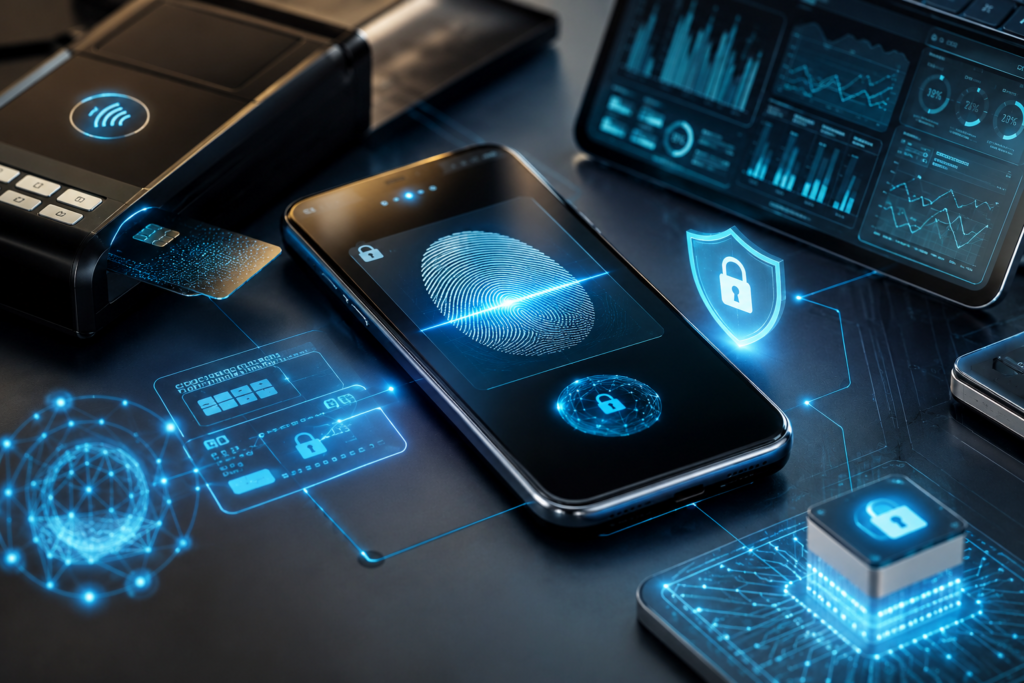
Combined with biometric verification such as Face ID, Touch ID, fingerprint scanning, or PIN authentication, modern mobile wallet platforms provide multiple layers of protection.
NFC Payments
Near Field Communication (NFC) enables contactless payments by allowing your smartphone or smartwatch to communicate with payment terminals over very short distances.
The process typically takes only a few seconds:
- Unlock your phone.
- Authenticate using biometrics or PIN.
- Hold the device near the terminal.
- Payment completes instantly.
In my experience, NFC payments are often faster than inserting a physical card, especially during busy shopping hours.
QR Code Payments
Many regions, particularly across Asia, rely heavily on QR-code-based payments.
Users either:
- Scan a merchant’s QR code, or
- Display their own QR code for scanning.
This method is inexpensive for businesses and works even without NFC hardware, making it one of the fastest-growing payment technologies globally.
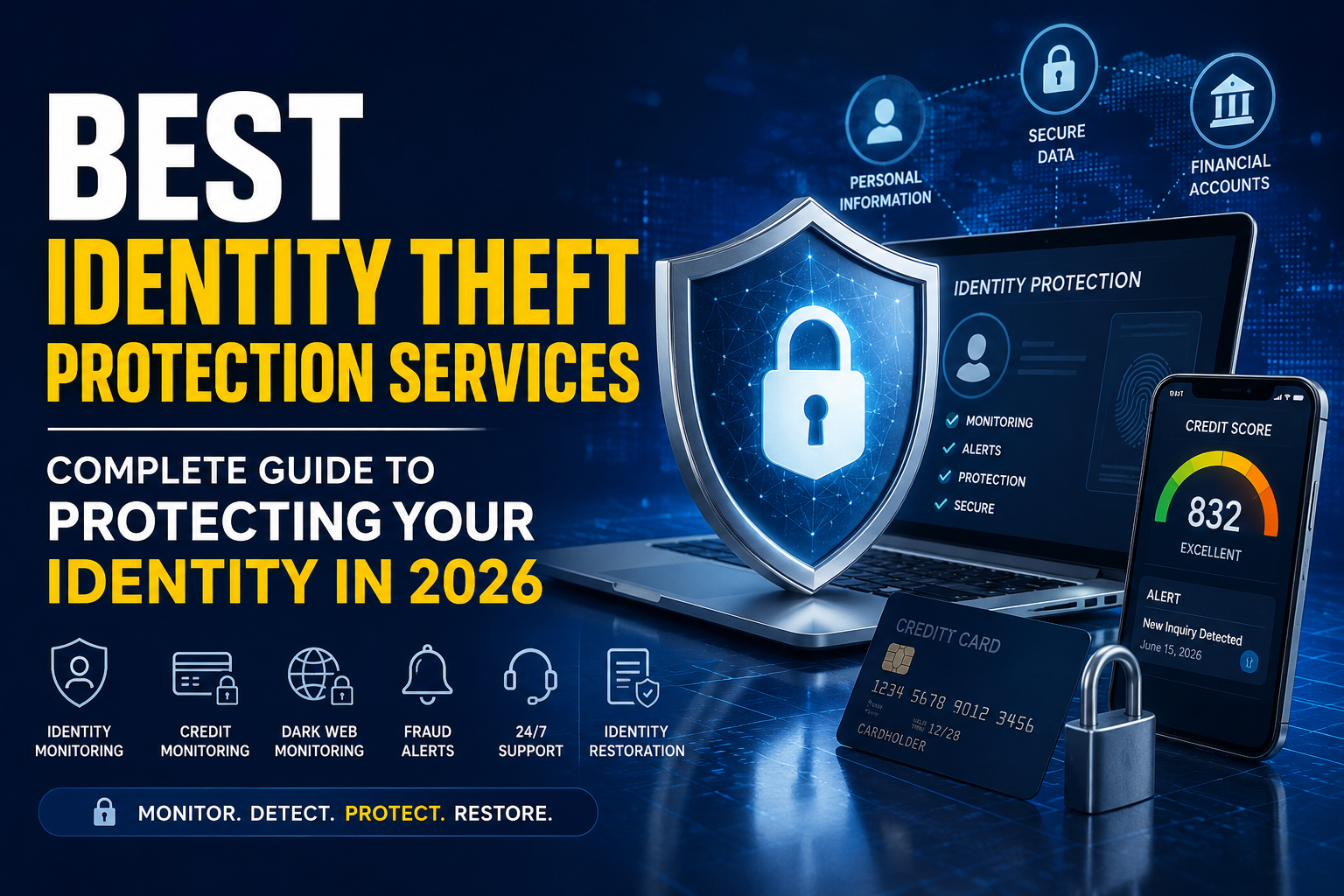
Online Checkout
One of the biggest advantages of a digital wallet is simplified online shopping.
Instead of manually entering:
- Card numbers
- Billing address
- Security codes
Your mobile wallet securely completes the payment with a single confirmation.
This not only saves time but also reduces typing errors and improves checkout security.
Security Features
Every best digital wallet should include robust protection such as:
- End-to-end encryption
- Tokenization
- Biometric authentication
- Two-factor authentication
- Device verification
- Real-time fraud alerts
- Transaction monitoring
- Secure cloud synchronization
After comparing digital wallets across multiple countries, I’ve learned that security should always outweigh flashy features. A wallet offering cashback is attractive, but one that proactively protects your financial information is far more valuable in the long run.
Best Digital Wallet Options in 2026
Choosing the best digital wallet depends on your devices, banking needs, travel habits, and preferred payment methods. Over the years, I’ve tested these platforms extensively in everyday scenarios—from grocery shopping and online purchases to international travel and peer-to-peer transfers.
Apple Pay
Overview
Apple Pay remains one of the most polished and secure digital wallet solutions available. It integrates seamlessly with the Apple ecosystem, allowing users to pay using an iPhone, Apple Watch, iPad, or Mac. Transactions are protected through tokenization and biometric authentication, making it a trusted choice for millions.
Pros
- Excellent security with Face ID and Touch ID
- Fast NFC contactless payments
- Wide merchant acceptance
- Smooth integration across Apple devices
- Supports transit cards, loyalty cards, and digital IDs in select regions
Best For
Android users looking for a flexible, secure, and feature-rich digital wallet.
Samsung Wallet
Overview
Samsung Wallet combines payments, digital keys, IDs, and loyalty cards into a single app for Galaxy users. Its tight integration with Samsung devices and Knox security makes it an attractive option for those invested in the Samsung ecosystem.
Pros
- Built-in Samsung Knox security
- Supports contactless payments and digital keys
- Works seamlessly with Galaxy smartphones and smartwatches
- Convenient all-in-one wallet experience
Cons
- Limited to compatible Samsung devices
- Fewer cross-platform features than some competitors
Best For
Samsung Galaxy users who want an integrated mobile wallet with strong security.
PayPal
Overview
PayPal has evolved from an online payment service into a widely accepted digital payment wallet for shopping, money transfers, and business transactions. Its global reach and buyer protection make it especially valuable for online purchases and cross-border payments.
Pros
- Accepted by millions of online merchants
- Strong buyer protection
- Supports international payments
- Easy peer-to-peer transfers
Cons
- Merchant and currency conversion fees can apply
- Contactless payment options vary by region
Best For
Frequent online shoppers, freelancers, and international users.
Venmo
Overview
Venmo is a popular mobile wallet in the United States, known for making peer-to-peer payments quick and social. Users can split bills, pay friends, and shop with participating merchants, making it a convenient option for everyday transactions.
Pros
- Fast person-to-person payments
- User-friendly interface
- Easy bill splitting
- Growing merchant acceptance
Cons
- Primarily available in the United States
- Limited international functionality
Best For
Users who frequently send money to friends and family within the U.S.
Limitations You Should Know
While a digital wallet offers remarkable convenience, it’s important to understand that no payment solution is perfect. After comparing digital wallets across multiple countries and testing them in everyday situations, I’ve found that users who understand these limitations are less likely to face unexpected issues.
Merchant Acceptance Still Varies
Although contactless payments are widely accepted across the USA, UK, Canada, and Australia, some small businesses still prefer cash or traditional card payments. Before relying entirely on a mobile wallet, check whether your frequently visited merchants support it.
Internet and Device Dependency
Most digital payment wallet apps work best with an internet connection, although some support limited offline transactions. If your phone battery dies or your device is lost, accessing your wallet may become temporarily difficult until you authenticate on another trusted device.
Regional Restrictions
Not every best digital wallet is available worldwide. Features such as digital IDs, transit cards, cryptocurrency support, and peer-to-peer transfers often vary by country due to local regulations.
Privacy Concerns
Digital wallets collect transaction data to improve services and detect fraud. Always review privacy settings and understand how your data is used before enabling optional features.
Bank Compatibility
Some banks don’t support every digital wallet platform. Before choosing one, confirm that your bank and payment cards are compatible.
How to Choose the Best Digital Wallet
People often ask me which is the best digital wallet. My answer is always the same: the best one is the one that fits your daily life.
After 15 years of evaluating payment technologies, here are the factors I recommend prioritizing:
Security
Look for a digital payment wallet that offers:
- Biometric authentication
- Tokenization
- End-to-end encryption
- Two-factor authentication
- Real-time fraud monitoring
Security should always come before cashback or rewards.
Ease of Use
A mobile wallet should simplify your finances—not complicate them. Choose an app with an intuitive interface and quick payment process.
Bank Compatibility
Verify that your preferred wallet supports your bank, debit cards, and credit cards.
Rewards and Cashback
If you frequently shop with participating merchants, rewards programs can add meaningful value over time.
International Payments
For travelers, freelancers, and remote workers, wallets such as Wise and Revolut provide excellent multi-currency support and competitive exchange rates.
Budgeting Tools
Many modern digital wallet apps automatically categorize spending and provide insights that make budgeting easier.
Investment Features
Some platforms combine payments with stock investing, cryptocurrency, and savings accounts. If you want an all-in-one financial app, these features can be beneficial.
Cryptocurrency Support
If digital assets are part of your financial strategy, choose a wallet that offers secure crypto integration while still maintaining strong payment capabilities.
One mistake I’ve repeatedly seen users make is selecting a wallet simply because it’s popular. Instead, choose the one that aligns with your devices, banking relationships, travel habits, and financial goals.
Common Mistakes People Make When Choosing a Mobile Wallet
Even experienced users sometimes overlook important details. Here are the most common mistakes I’ve encountered:
- Choosing a wallet without checking bank compatibility.
- Ignoring security settings such as biometric authentication and 2FA.
- Focusing only on cashback instead of overall security.
- Forgetting to enable transaction alerts.
- Using public Wi-Fi for sensitive financial activities.
- Not updating the wallet app regularly.
- Assuming every wallet works internationally.
- Overlooking currency conversion fees.
- Using weak device passwords.
- Failing to back up recovery information.
Avoiding these mistakes can significantly improve both security and convenience.
Future of Digital Wallets
The digital wallet landscape is evolving rapidly, and the next few years will bring even more innovation.
AI-Powered Payments
Artificial intelligence will continue to automate budgeting, detect fraud in real time, recommend smarter spending habits, and personalize financial insights.
Embedded Finance
Payments, lending, insurance, and investments will become increasingly integrated into everyday apps, reducing the need to switch between financial services.
Biometric Payments
Fingerprint, facial recognition, palm scanning, and even behavioral biometrics are expected to become standard authentication methods.
Central Bank Digital Currencies (CBDCs)
Many governments are actively exploring or piloting CBDCs, which could eventually integrate with compatible digital payment wallet platforms.
Digital Identity
Secure digital IDs stored within a mobile wallet will simplify travel, age verification, and access to government services.
Blockchain Integration
While blockchain won’t replace traditional payments overnight, it will continue improving transparency, settlement speed, and cross-border transactions.
Smart Wearables
Smartwatches, fitness bands, smart rings, and other connected devices are making contactless payments even more convenient.
Voice Payments
Voice assistants are expected to support secure payment authorization for routine purchases.
Agentic AI
One of the most exciting FinTech trends for 2026 is agentic AI. Intelligent assistants will increasingly help users compare prices, schedule recurring payments, optimize subscriptions, and even recommend the most suitable digital wallet based on spending habits.
Frequently Asked Questions
1. What is a digital wallet?
A digital wallet is an application that securely stores payment cards, tickets, IDs, and other financial credentials, allowing users to make online and contactless payments.
2. Which is the best digital wallet in 2026?
The best digital wallet depends on your needs. Apple Pay is excellent for Apple users, Google Wallet suits Android users, while Wise and Revolut are ideal for international payments.
3. Is a mobile wallet safer than a physical credit card?
In many cases, yes. A mobile wallet uses tokenization, encryption, and biometric authentication, providing stronger protection than traditional card transactions.
4. Can I use a digital payment wallet internationally?
Many digital payment wallet platforms support international transactions, but fees, exchange rates, and availability vary by provider.
5. Do digital wallets require internet access?
Most features work best with an internet connection, although some wallets can complete limited contactless transactions offline.
6. Can I store multiple cards in one digital wallet?
Yes. Most modern digital wallet apps allow users to store multiple debit cards, credit cards, loyalty cards, transit passes, and tickets.
7. Are digital wallets free to use?
Most mobile wallet apps are free for consumers, although certain services such as international transfers or currency conversions may involve fees.

Conclusion
Over the past 15 years of reviewing digital payment solutions, one thing has become increasingly clear: digital wallets are no longer a convenience—they’re becoming the foundation of modern financial life.
A thoughtful digital wallet comparison shows that every platform has its strengths. Apple Pay delivers a seamless experience for Apple users, Google Wallet excels on Android, PayPal remains a trusted choice for online shopping, while Wise and Revolut stand out for international payments. Cash App, Venmo, Alipay, and WeChat Pay each serve specific audiences with features tailored to their markets.
When choosing the best digital wallet, prioritize security, compatibility with your devices and bank, ease of use, and the features that genuinely match your lifestyle. Cashback and rewards are valuable, but strong encryption, biometric authentication, and reliable fraud protection are even more important.
As AI, digital identities, blockchain technologies, and embedded finance continue to mature, the mobile wallet and digital payment wallet will become even more capable, secure, and central to everyday life. Selecting the right solution today will help you enjoy faster, safer, and more convenient payments well into the future.
Author

razakh6402@gmail.com
Related Posts
Digital Payments: Future of Digital Payments, Payment Technology & Online Payment Trends (2026 Guide)
- 0
- 2,609 words
The way we pay for goods and services has changed more in the past decade than it did in the previous fifty...
Embedded Finance Explained: Complete Guide to Embedded Banking & Banking as a Service (2026)
- 0
- 2,288 words
Over the last fifteen years, I’ve watched financial services evolve from products that required customers to visit a bank into experiences seamlessly...
Contactless Payments Explained: Complete NFC Payment & Tap to Pay Guide (2026)
- 0
- 2,193 words
Over the past fifteen years, I’ve watched payment technology evolve from magnetic stripe cards and PIN terminals to today’s seamless contactless payments...
Neobank vs Traditional Bank: Complete Digital Banking Comparison Guide (2026)
- 0
- 2,379 words
The debate around neobank vs traditional bank has become more relevant than ever as digital banking continues to reshape how people manage...

Financial Planning Software: 10 Best Personal Financial Planning Software & Wealth Management Software (2026 Guide)
- 0
- 2,621 words
Managing money has changed dramatically over the past decade. When I first began advising clients more than 15 years ago, financial planning...
Best Expense Tracking Apps: Top Expense Tracker & Best Expense Management Software (2026 Guide)
- 2
- 2,595 words
Whether you’re running a startup, managing a growing business, freelancing full-time, or simply trying to control your personal finances, one thing remains...