
- 0
- 2,436 words
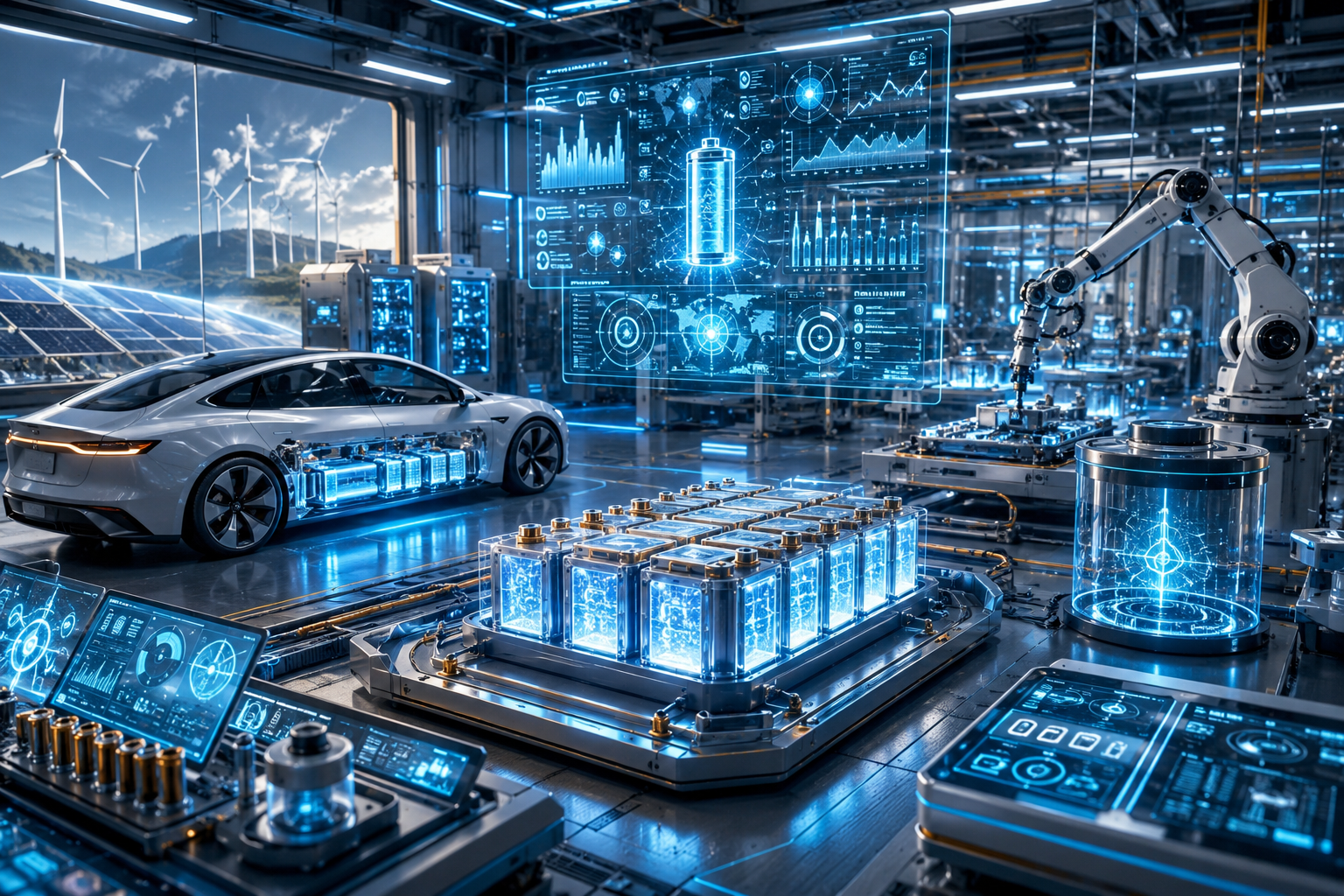
The battery technology future is no longer just a topic for scientists and engineers—it has become one of the most important drivers of global innovation. During my 25 years of working with battery research teams, electric vehicle manufacturers, renewable energy projects, and industrial energy storage systems, I’ve witnessed remarkable transformations that once seemed impossible. Technologies that were confined to laboratories are now powering millions of electric vehicles, stabilizing renewable energy grids, and revolutionizing consumer electronics.
Today, battery technology sits at the heart of the clean energy transition. Governments, automotive companies, and technology giants are investing billions into battery innovation because they recognize that better batteries are essential for reducing carbon emissions, improving energy security, and accelerating electrification across industries.
Among the most exciting developments are solid state batteries, which promise significantly higher energy density, faster charging, longer lifespan, and improved safety compared to conventional lithium-ion batteries. At the same time, researchers are rapidly advancing next generation batteries such as sodium-ion, graphene, silicon anode, and lithium-sulfur batteries that could reshape the future of energy storage.
From my experience advising battery manufacturers and renewable energy developers, one lesson has remained consistent: the organizations that invest early in advanced battery technologies gain a significant competitive advantage. Whether you’re an investor, engineer, policymaker, business owner, or consumer, understanding the battery technology future will help you navigate one of the fastest-growing industries of the next decade.

Why Battery Technology Matters
Battery technology has become essential because it enables:
- Reliable renewable energy storage
- Electric vehicle adoption
- Portable consumer electronics
- Industrial automation
- Emergency backup systems
- Smart grid stability
- Medical equipment reliability
- Aerospace innovation
Battery Innovation in Electric Vehicles
Electric vehicles have become the largest driver of battery innovation over the past decade.
Automakers continuously seek batteries with:
- Longer driving range
- Faster charging
- Lower production costs
- Improved thermal stability
- Greater durability
Companies across the automotive sector are investing heavily in advanced battery manufacturing, while AI-powered battery management systems improve performance, extend lifespan, and enhance safety.
In projects involving EV fleet electrification, I’ve found that battery reliability often determines the total cost of ownership more than the vehicle itself. Small improvements in battery efficiency can translate into substantial long-term savings.
Top Battery Technology Trends Shaping the Future
Innovation in energy storage is accelerating faster than at any point in history. Below are the most influential trends shaping the battery technology future.
Solid State Batteries
Solid state batteries use a solid electrolyte instead of a liquid one, significantly improving safety and performance.
How they work
Ions move through a solid material, reducing leakage and improving thermal stability.
Current Applications
- Prototype electric vehicles
- Premium consumer electronics
- Aerospace research
- Military equipment
Benefits
- Higher energy density
- Faster charging
- Improved safety
- Longer lifespan
- Reduced fire risk
Future Potential
Many analysts expect solid state batteries to enter broader commercial production before the end of this decade, particularly in premium EVs and high-performance electronics.
Market Impact
Their adoption could significantly reduce charging times while increasing vehicle range, making electric transportation even more practical.
Professional Observation
From discussions with engineers and battery developers, it’s clear that manufacturing scalability—not chemistry—is currently the biggest hurdle. Once production costs decline, adoption is likely to accelerate rapidly.
Sodium-Ion Batteries
Sodium-ion batteries replace lithium with abundant sodium, offering a cost-effective and more sustainable alternative.
How They Work
They use sodium ions as charge carriers, operating similarly to lithium-ion systems.
Current Applications
- Grid-scale energy storage
- Low-cost electric vehicles
- Residential energy systems
Benefits
- Lower raw material costs
- Greater resource availability
- Improved sustainability
- Better cold-weather performance
Future Potential
As lithium demand continues to rise, sodium-ion batteries are expected to play a growing role in large-scale energy storage.
Market Impact
Their affordability could accelerate renewable energy adoption in developing markets.
Professional Observation
For stationary storage projects, sodium-ion batteries already show strong commercial promise because energy density is less critical than cost and longevity.
Graphene Batteries
Graphene batteries incorporate graphene into battery electrodes to improve electrical conductivity and thermal management.
How They Work
Graphene enables faster electron movement, improving charging efficiency and reducing heat generation.
Current Applications
- High-performance electronics
- Research prototypes
- Specialty industrial equipment
Benefits
- Ultra-fast charging
- Longer lifespan
- Better heat dissipation
- Higher efficiency
Future Potential
If manufacturing challenges are overcome, graphene batteries could redefine portable power technology and EV performance.
Market Impact
Industries requiring rapid charging and lightweight energy storage stand to benefit the most.
Silicon Anode Batteries
Replacing graphite anodes with silicon significantly increases energy storage capacity.
How They Work
Silicon can store far more lithium ions than conventional graphite, boosting battery capacity.
Current Applications
- Premium EV battery packs
- High-end consumer electronics
- Advanced research programs
Benefits
- Higher energy density
- Longer driving range
- Faster charging
- Improved efficiency
Future Battery Technology Across Industries
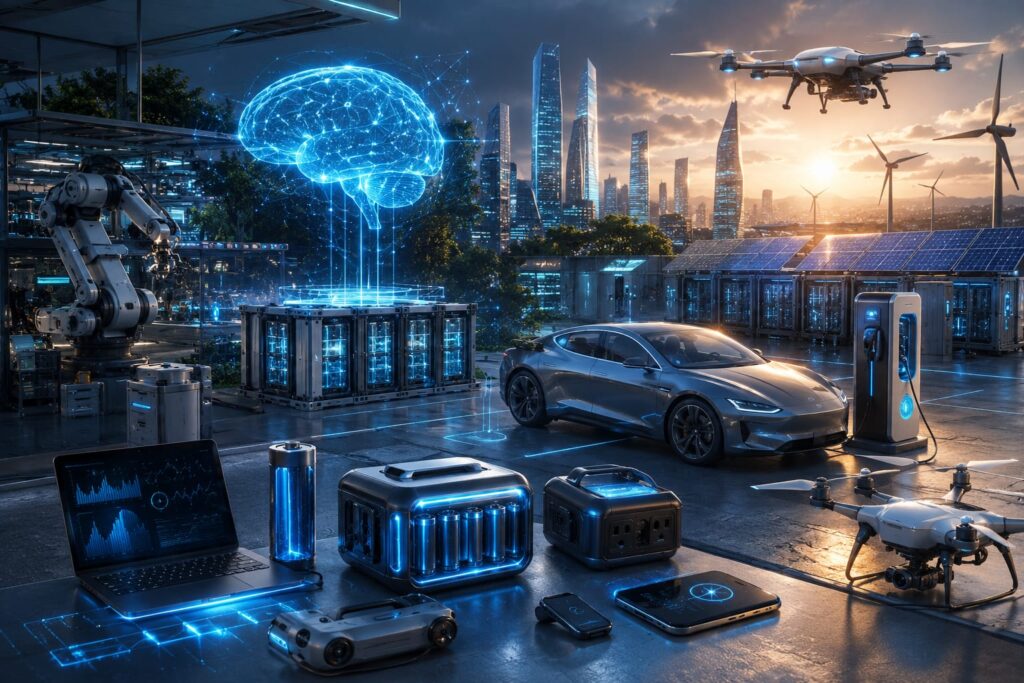
The battery technology future extends far beyond electric vehicles. Over the last two decades, I have watched advanced energy storage evolve from a niche engineering field into a foundation of modern infrastructure. Today, battery innovation is transforming nearly every major industry by improving efficiency, reducing emissions, and enabling technologies that were once considered impractical.
Electric Vehicles
Electric vehicles remain the largest driver of battery technology advancements. Manufacturers are investing heavily in solid state batteries, silicon anode batteries, and AI-powered battery management systems to increase driving range, improve safety, and reduce charging times.
In my experience working with EV battery projects, the biggest customer concern has shifted from range anxiety to charging convenience. As ultra-fast charging and higher energy density become standard, EV adoption will continue to accelerate worldwide.
Consumer Electronics
Smartphones, laptops, tablets, wearable devices, and portable medical equipment all demand batteries that last longer while becoming lighter and safer. Emerging battery materials such as graphene and silicon anodes are helping manufacturers meet these expectations without increasing device size.
Renewable Energy
Solar and wind power require reliable battery energy storage systems to balance electricity generation and demand. Large-scale battery installations now allow renewable energy to provide stable power even during cloudy or windless periods.
From several renewable energy integration projects I’ve observed, efficient storage is often the deciding factor in a project’s long-term success.
Aviation
Electric aircraft and drones depend on next generation batteries with extremely high energy density. While commercial electric aviation is still developing, battery innovation is making short-haul flights increasingly feasible.
Marine Transportation
Ports and shipping companies are adopting hybrid and fully electric vessels to reduce emissions. Advanced batteries improve operational efficiency while lowering fuel consumption and maintenance costs.
Industrial Manufacturing
Factories are using battery-powered robotics, automated guided vehicles (AGVs), and energy storage systems to improve productivity and reduce energy costs. AI battery management systems help monitor battery health and optimize charging schedules.
Healthcare
Portable diagnostic devices, medical implants, and emergency backup systems rely on dependable battery technology. Longer-lasting batteries reduce maintenance requirements and improve patient care.
Smart Cities
Modern smart cities use batteries to support electric buses, traffic management systems, renewable microgrids, emergency backup infrastructure, and wireless charging stations. Advanced energy storage enables cities to become more resilient, efficient, and environmentally sustainable.
Battery Innovation Transforming Energy Storage
Battery innovation is advancing at an unprecedented pace. Researchers are improving battery chemistry, manufacturing processes, software intelligence, and sustainability simultaneously.
High-Density Batteries
Higher energy density allows batteries to store more electricity within the same physical space.
Benefits
- Longer EV driving range
- Smaller battery packs
- Lighter consumer electronics
- Improved aircraft performance
Ultra-Fast Charging
Charging technology has improved dramatically through advanced electrolytes, improved thermal management, and AI-controlled charging algorithms.
Future batteries may recharge in less than five minutes without significantly reducing lifespan.
Wireless Charging Batteries
Wireless charging eliminates cables by transferring energy through electromagnetic induction.
Future applications include:
- Wireless EV charging roads
- Automated warehouse vehicles
- Medical devices
- Consumer electronics
Sustainable Battery Materials
Manufacturers are reducing dependence on scarce materials by developing:
- Sodium-ion batteries
- Recycled battery materials
- Low-cobalt chemistries
- Bio-based battery components
These innovations improve sustainability while lowering manufacturing costs.
Battery Recycling Technologies
Modern recycling facilities recover valuable materials including lithium, cobalt, nickel, graphite, and copper.
Battery recycling will become increasingly important as millions of EV batteries reach end-of-life over the coming decade.
AI Battery Optimization
Artificial intelligence continuously monitors:
- Temperature
- Voltage
- Charge cycles
- Cell balancing
- Battery degradation
AI optimization improves efficiency, extends battery lifespan, and enhances overall safety.
From my professional experience, software-driven battery management has become almost as important as battery chemistry itself.
Solid State Batteries vs Lithium-Ion Batteries
| Feature | Lithium-Ion Batteries | Solid State Batteries |
|---|---|---|
| Energy Density | High | Very High |
| Charging Speed | Fast | Ultra-Fast |
| Safety | Good | Excellent |
| Lifespan | 8–15 Years | 15–20+ Years |
| Cost | Lower | Currently Higher |
| Temperature Resistance | Moderate | Excellent |
| Environmental Impact | Moderate | Lower (Future Potential) |
| Commercial Readiness | Fully Mature | Emerging Commercialization |
Although solid state batteries are widely regarded as the future of advanced energy storage, conventional lithium-ion batteries will continue dominating the market throughout this decade due to their mature supply chains, proven reliability, and lower production costs. As manufacturing scales and costs decline, solid-state technology is expected to gradually replace lithium-ion batteries in premium electric vehicles, aerospace, and high-performance electronics.
Benefits of Next Generation Batteries
The rise of next generation batteries is transforming transportation, renewable energy, and portable electronics.
Higher Energy Density
New battery chemistries store significantly more electricity while reducing weight and size. This allows electric vehicles to travel farther and portable devices to operate longer between charges.
Longer Lifespan
Improved materials and AI battery management reduce degradation, extending operational life and lowering replacement costs.
Faster Charging
Advancements in battery innovation are reducing charging times from hours to minutes, making electric vehicles far more convenient for everyday use.
Improved Safety
Solid electrolytes, better thermal management, and intelligent monitoring systems greatly reduce overheating and fire risks.
Lower Carbon Emissions
Advanced batteries enable wider adoption of electric vehicles and renewable energy, helping industries reduce greenhouse gas emissions.
Better Renewable Energy Storage
Efficient battery storage makes solar and wind energy more dependable by storing excess electricity for use during peak demand.
Improved Electric Vehicle Performance
Modern EV batteries deliver:
- Longer driving range
- Better acceleration
- Improved reliability
- Lower operating costs
Lower Maintenance
AI-powered diagnostics and improved battery materials minimize maintenance requirements while extending service life.
In my experience, the combination of better chemistry, smarter software, and sustainable manufacturing will define the next generation of battery technology far more than any single breakthrough.
Challenges Facing the Future of Battery Technology
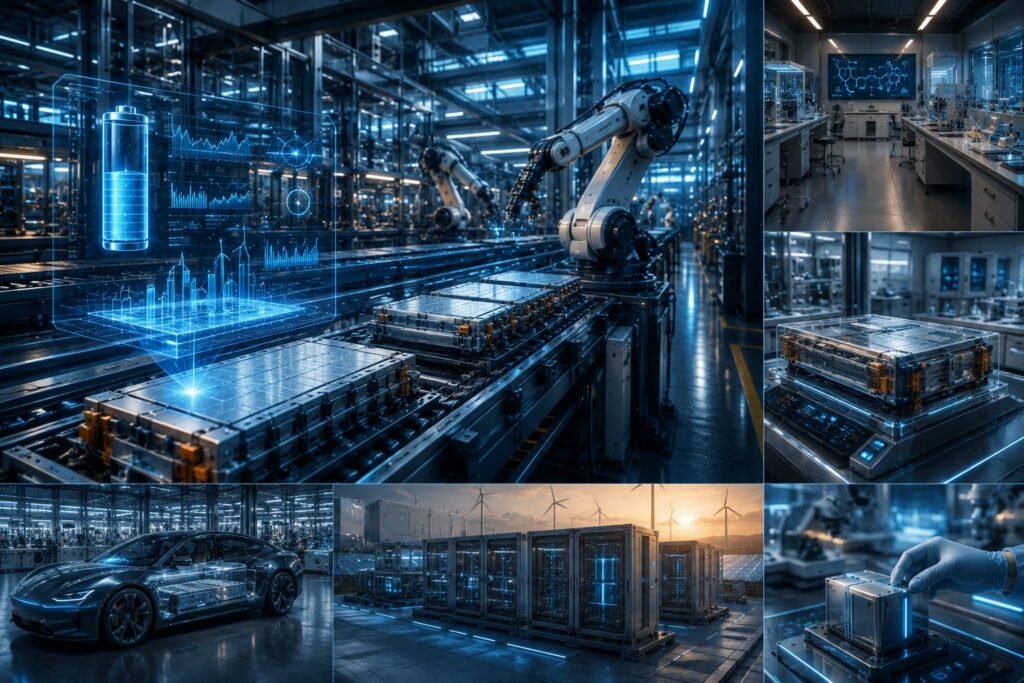
Despite remarkable progress, several challenges must be overcome before the full potential of the battery technology future can be realized.
High Manufacturing Costs
Solid-state and other advanced batteries remain expensive to produce due to complex manufacturing processes and limited production capacity.
Raw Material Supply
Growing demand for lithium, nickel, cobalt, and rare minerals is placing pressure on global supply chains. Diversifying battery chemistries and increasing recycling will help reduce dependence on these resources.
Battery Recycling Challenges
Although recycling technology is improving, collecting, transporting, and processing used batteries at scale remains a significant logistical and economic challenge.
Charging Infrastructure
Many regions still lack sufficient fast-charging networks. Expanding charging infrastructure will be essential to support widespread EV adoption.
Safety Standards
As new battery chemistries enter the market, governments and manufacturers must establish rigorous testing, certification, and safety standards to ensure reliable performance.
Global Supply Chains
Geopolitical tensions, transportation disruptions, and regional dependencies on critical minerals can affect battery availability and pricing. Building diversified and resilient supply chains will be essential for long-term growth.
My 25 Years of Experience in Battery Technology
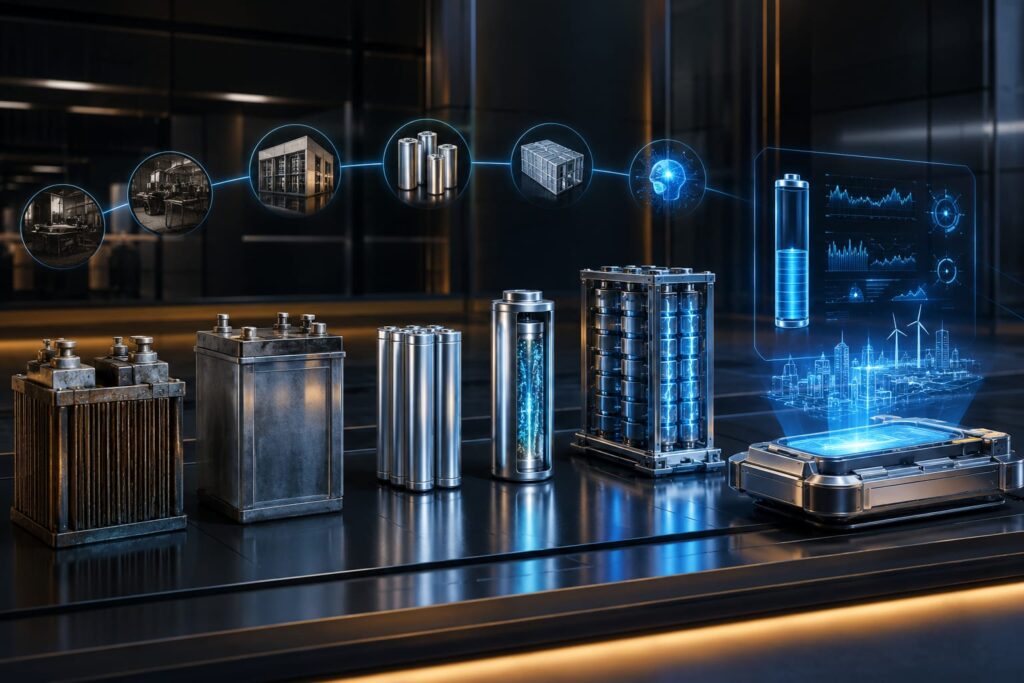
When I first began working in the battery industry, lead-acid batteries dominated many commercial applications, while lithium-ion technology was still gaining momentum. At that time, few people imagined that batteries would become the foundation of modern transportation and renewable energy systems.
One of the most exciting moments of my career was witnessing the rapid commercialization of lithium-ion batteries. Their impact extended far beyond consumer electronics, enabling electric vehicles to become practical for everyday use and making renewable energy storage increasingly viable.
Over the years, I have observed remarkable improvements in battery chemistry, manufacturing processes, and battery management software. However, one lesson has remained constant: successful battery innovation depends on balancing performance, safety, affordability, and sustainability.
Looking toward the next decade, I expect solid state batteries, AI-powered battery management, sustainable manufacturing, and advanced recycling technologies to become defining pillars of the global energy transition. Organizations that invest in these areas today will be well positioned to lead tomorrow’s clean energy economy.

Frequently Asked Questions (FAQs)
1. What is the future of battery technology?
The future of battery technology includes solid-state batteries, AI-powered battery management, sustainable materials, ultra-fast charging, and advanced energy storage systems that support clean energy and electric mobility.
2. What are solid state batteries?
Solid-state batteries replace liquid electrolytes with solid materials, improving energy density, safety, charging speed, and battery lifespan.
3. Why are next generation batteries important?
Next-generation batteries provide higher efficiency, faster charging, improved safety, lower environmental impact, and better performance for electric vehicles and renewable energy storage.
4. Are solid state batteries better than lithium-ion batteries?
In many aspects, yes. Solid-state batteries offer greater energy density, improved safety, and longer lifespan. However, lithium-ion batteries remain more affordable and commercially mature today.
5. How long do EV batteries last?
Most modern EV batteries last between 8 and 15 years, depending on usage, charging habits, and environmental conditions.
Conclusion
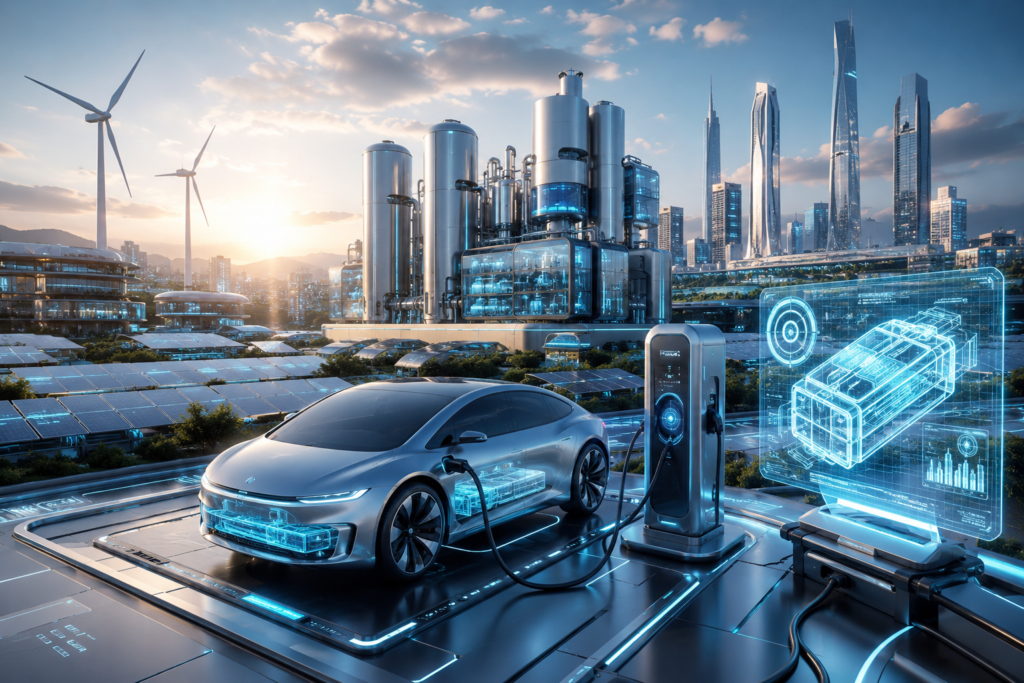
The battery technology future is transforming how the world generates, stores, and uses energy. From solid state batteries and AI-powered battery management systems to sustainable battery materials and ultra-fast charging, the pace of battery innovation has never been greater.
While lithium-ion batteries will continue to dominate in the near term, next generation batteries will gradually reshape electric vehicles, renewable energy storage, consumer electronics, aviation, healthcare, and industrial manufacturing. Continued advances in energy density, battery lifespan, safety, and recycling will make clean energy systems more efficient and accessible than ever before.
Governments, researchers, manufacturers, investors, and businesses all have a vital role to play in accelerating this transition. Strategic investment in advanced battery research, sustainable manufacturing, recycling infrastructure, and smart energy storage will help build a cleaner, more resilient, and energy-secure future.
Author

razakh6402@gmail.com
Related Posts

Lead Generation Software: 12 Best Lead Generation Tools for B2B Sales (2026 Guide)
- 0
- 2,300 words
If someone had asked me 15 years ago what the biggest challenge in sales was, my answer would have been simple: finding...

Survey Software: 12 Best Online Survey Tools & Feedback Software for Businesses (2026 Guide)
- 0
- 1,871 word
Whether I was helping a SaaS startup validate a new feature, assisting an HR team with employee engagement, or optimizing customer experience...
Read out all
Online Course Platform: 12 Best LMS Software & eLearning Platforms for Course Creators (2026 Guide)
- 0
- 1,900 word
The online education industry has changed dramatically over the last 15 years. When I built my first digital training portal, simply uploading...

Team Communication Software: 12 Best Business Messaging Apps for Modern Workplaces in 2026 (Expert Tested)
- 0
- 2,305 words
I’ve personally tested dozens of team communication software platforms while consulting for marketing agencies, software companies, HR departments, remote development teams, and...

Invoice Software: 12 Best Invoicing Software for Small Business in 2026 (Expert Tested)
- 0
- 2,493 words
I’ve worked with freelancers chasing late payments, agencies managing hundreds of monthly invoices, startups scaling internationally, and established businesses struggling with outdated...
Generate one SEO-optimized title thatdigital asset management software
- 6
- 2,632 words
One of the most memorable projects I led involved migrating nearly half a million digital assets from a traditional file server into...