
- 4
- 2,342 words
Cybercriminals are targeting businesses more aggressively than ever. Over the past few years, I’ve helped organizations recover from ransomware attacks that encrypted entire file servers, investigated phishing campaigns that compromised executive email accounts, and assisted small businesses that lost weeks of productivity because a single infected laptop spread malware across their networks.
The reality is simple: businesses of every size have become valuable targets.
Ransomware operators no longer focus exclusively on large enterprises. Small businesses, professional service firms, healthcare providers, retailers, and manufacturers now face constant threats from ransomware, phishing attacks, insider threats, credential theft, and sophisticated malware campaigns.
This growing threat landscape makes selecting the best antivirus for business a critical decision rather than a routine IT purchase. Modern business antivirus software does far more than scan files for viruses. Today’s solutions provide advanced endpoint protection for small business environments, real-time threat detection, ransomware protection, cloud-based management, and comprehensive business cybersecurity software capabilities.
In my experience managing corporate cybersecurity programs and responding to real-world security incidents, organizations that invest in strong endpoint security consistently recover faster, experience fewer breaches, and reduce operational disruptions.
Whether you’re running a small company with ten employees or managing thousands of endpoints across multiple locations, choosing the right antivirus for small business and enterprise environments can significantly reduce cyber risk and strengthen overall business data protection.
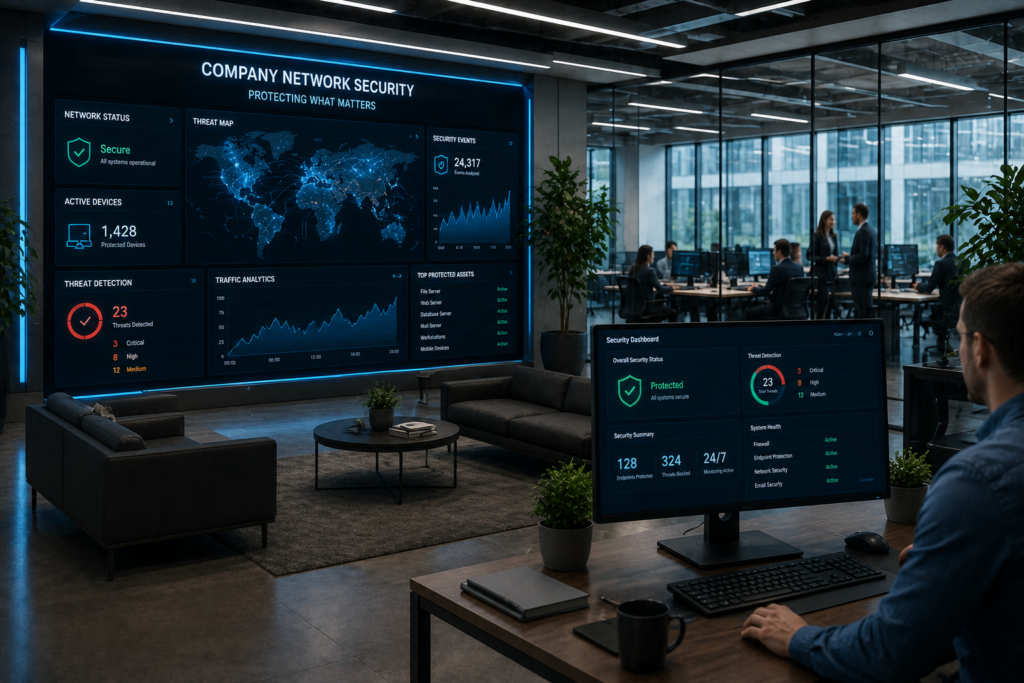
Why Every Business Needs Antivirus Protection in 2026
Rising Cyber Threats
Cyber threats continue to evolve at an alarming pace. Modern attackers use artificial intelligence, automated phishing kits, fileless malware, and credential-stealing tools to bypass traditional defenses.
Organizations now face:
- Ransomware attacks
- Business email compromise
- Zero-day exploits
- Insider threats
- Supply chain attacks
- Cloud account compromises
Many attacks begin with something as simple as an employee clicking a malicious link.
Financial Impact of Cyberattacks
The financial consequences of cyberattacks extend far beyond ransom payments.
Businesses often face:
- Operational downtime
- Lost revenue
- Recovery expenses
- Legal costs
- Regulatory penalties
- Customer trust issues
I’ve seen companies spend months rebuilding systems after a successful ransomware attack, even when backups were available.
Compliance and Data Protection Requirements
Many industries must comply with security regulations and data protection requirements.
Examples include:
- HIPAA
- PCI DSS
- GDPR
- SOC 2
- ISO 27001
Modern business antivirus software helps organizations meet security control requirements while improving business network security.
Protecting Remote and Hybrid Workforces
Remote work has dramatically expanded attack surfaces.
Employees now access business resources from:
- Home networks
- Mobile devices
- Personal laptops
- Public Wi-Fi
Cloud-managed endpoint security solutions help businesses maintain visibility and control regardless of employee location.
What Makes the Best Antivirus for Business?
Real-Time Threat Detection
The best antivirus for business continuously monitors activity rather than relying solely on scheduled scans.
Advanced threat detection identifies:
- Suspicious processes
- Malicious scripts
- Unusual behavior
- Emerging malware variants
Ransomware Protection
Ransomware remains one of the most damaging cyber threats.
Effective ransomware protection includes:
- Behavioral monitoring
- Encryption detection
- File rollback capabilities
- Attack containment
Centralized Management Console
Managing dozens or thousands of endpoints individually is impractical.
Centralized dashboards provide:
- Policy management
- Threat visibility
- Device inventory
- Compliance reporting
Cloud-Based Security
Cloud-native cybersecurity solutions simplify deployment and management while supporting hybrid work environments.
Benefits include:
- Faster deployment
- Automatic updates
- Remote administration
- Improved scalability
Device and Endpoint Protection
Comprehensive endpoint security should protect:
- Workstations
- Laptops
- Mobile devices
- Virtual environments
- Servers
Automated Updates
Cybercriminals constantly exploit outdated software.
Automatic updates ensure protection against the latest threats without requiring manual intervention.
Reporting and Monitoring
Security teams need visibility.
Effective reporting provides:
- Threat summaries
- Compliance reports
- Incident timelines
- Security trends
Best Antivirus for Business Solutions Compared
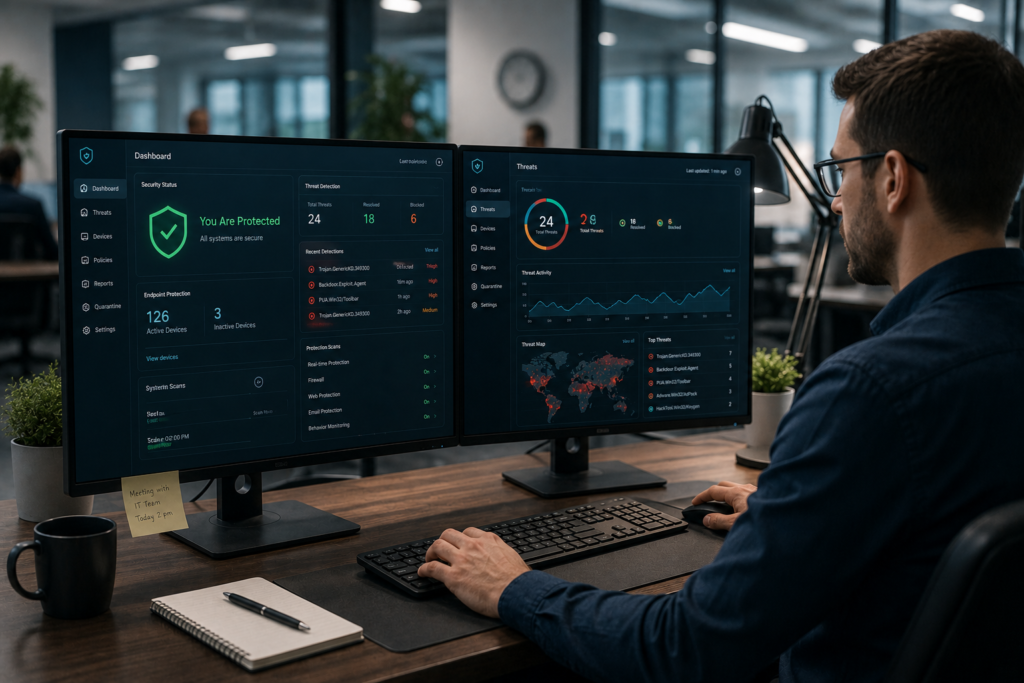
Bitdefender GravityZone Business Security
Key Features
- Advanced malware defense
- Machine-learning threat detection
- Risk analytics
- Ransomware remediation
- Centralized management
Pros
- Exceptional detection rates
- Strong ransomware protection
- Lightweight performance
Cons
- Advanced features may require training
Pricing Overview
Mid-range pricing with excellent value.
Best Use Cases
Small businesses through large enterprises.
Norton Small Business
Key Features
- Device protection
- Cloud backup
- Dark web monitoring
- Employee-friendly management
Pros
- Easy deployment
- Simple interface
Cons
- Less advanced than enterprise-focused products
Pricing Overview
Affordable for small teams.
Best Use Cases
Small businesses without dedicated IT staff.
ESET Protect
Key Features
- Multi-layered endpoint security
- Cloud management
- Threat intelligence
- Low system impact
Pros
- Lightweight
- Highly configurable
Cons
- Interface may feel complex initially
Pricing Overview
Flexible licensing options.
Best Use Cases
Organizations requiring customization.
Sophos Intercept X
Key Features
- Deep learning malware detection
- Anti-ransomware
- Threat hunting
- Managed security options
Pros
- Excellent ransomware defense
- Strong incident response tools
Cons
- Premium pricing
Best Use Cases
Security-conscious organizations.
Trend Micro Worry-Free Services
Key Features
- Email security
- Endpoint protection
- Cloud-based management
Pros
- Strong phishing protection
Cons
- Some advanced features require higher-tier plans
Best Use Cases
SMBs seeking easy administration.
Avast Business Antivirus
Key Features
- Endpoint protection
- Patch management
- Remote administration
Pros
- User-friendly
Cons
- Detection capabilities trail top-tier competitors
Best Use Cases
Budget-conscious businesses.
Microsoft Defender for Business
Key Features
- Native Microsoft integration
- Endpoint detection and response
- Threat analytics
Pros
- Excellent value
- Seamless Microsoft ecosystem integration
Cons
- Best results within Microsoft environments
Best Use Cases
Microsoft 365 customers.
Malwarebytes for Teams
Key Features
- Malware removal
- Endpoint protection
- Threat remediation
Pros
- Easy deployment
- Strong malware cleanup
Cons
- Fewer enterprise features
Best Use Cases
Small businesses and growing organizations.
Comparison Table – Best Business Antivirus Software
| Antivirus Solution | Best For | Ransomware Protection | Cloud Management | Ease of Use | Overall Rating |
|---|---|---|---|---|---|
| Bitdefender GravityZone Business Security | SMBs and Enterprises | Excellent | Yes | Very Good | 9.5/10 |
| Norton Small Business | Small Businesses | Good | Yes | Excellent | 8.8/10 |
| ESET Protect | Customizable Security Environments | Excellent | Yes | Good | 9.1/10 |
| Sophos Intercept X | Advanced Threat Protection | Excellent | Yes | Very Good | 9.4/10 |
| Trend Micro Worry-Free Services | Small to Mid-Sized Businesses | Very Good | Yes | Excellent | 9.0/10 |
| Avast Business Antivirus | Budget-Conscious Organizations | Good | Yes | Excellent | 8.5/10 |
| Microsoft Defender for Business | Microsoft-Centric Companies | Excellent | Yes | Very Good | 9.3/10 |
| Malwarebytes for Teams | Small Businesses | Very Good | Yes | Excellent | 8.9/10 |
Best Antivirus for Small Business vs Enterprise Businesses
Small Business Needs
Small businesses often operate without dedicated security teams. In these environments, simplicity matters just as much as protection.
Key requirements include:
- Easy deployment
- Cloud management
- Automated updates
- Strong ransomware protection
- Affordable licensing
Recommended solutions:
- Norton Small Business
- Microsoft Defender for Business
- Malwarebytes for Teams
Medium Business Requirements
As organizations grow, security complexity increases.
Medium-sized businesses typically need:
- Centralized policy management
- Endpoint visibility
- Advanced reporting
- Threat intelligence
- Integration with other security tools
Recommended solutions:
- Bitdefender GravityZone
- Sophos Intercept X
- ESET Protect
Enterprise Security Demands
Large enterprises require layered cybersecurity solutions capable of defending thousands of endpoints across multiple locations.
Enterprise priorities include:
- XDR capabilities
- Security operations integration
- Threat hunting
- Compliance reporting
- Advanced analytics
Recommended solutions:
- Sophos Intercept X
- Bitdefender GravityZone
- Microsoft Defender for Business with Defender XDR
Endpoint Protection for Small Business Explained
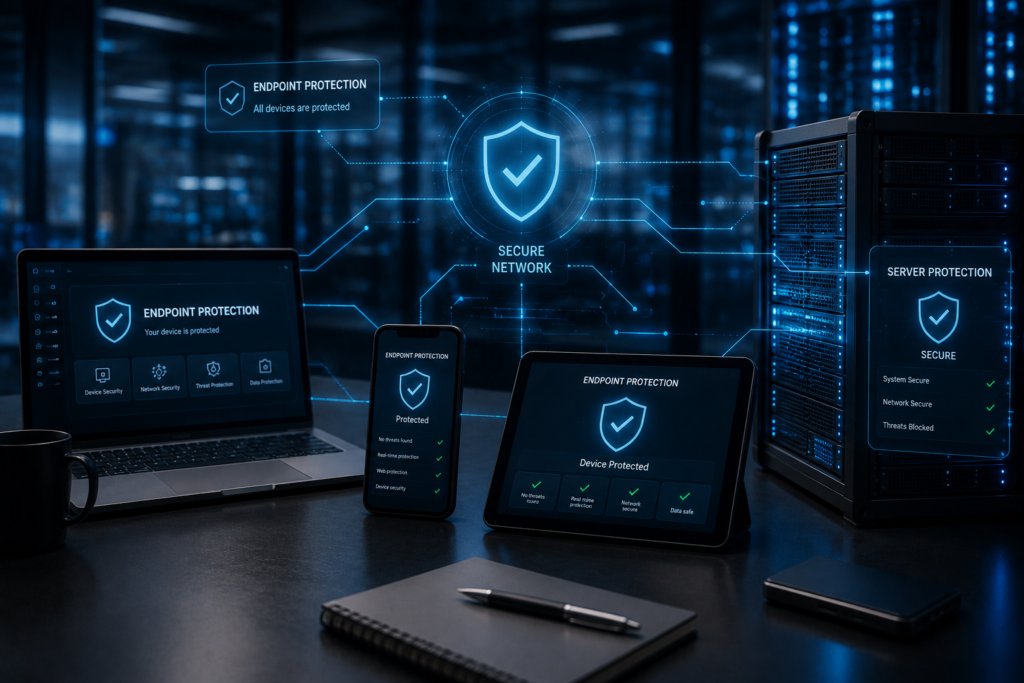
What Is Endpoint Protection?
Endpoint protection secures every device connected to a business network.
Examples include:
- Laptops
- Desktop computers
- Smartphones
- Tablets
- Servers
Modern endpoint security platforms continuously monitor device activity and stop threats before they spread.
Why Traditional Antivirus Is Not Enough
Traditional antivirus relies heavily on signature-based detection.
Unfortunately, modern attacks evolve faster than signature databases.
Today’s threats often use:
- Fileless malware
- Living-off-the-land attacks
- Credential theft
- Polymorphic malware
These attacks frequently bypass legacy antivirus solutions.
Modern Threat Detection Technologies
Modern business antivirus software uses:
- Behavioral analysis
- Machine learning
- Threat intelligence feeds
- Sandboxing
- Heuristic detection
These technologies improve malware defense and reduce detection delays.
AI-Powered Security Solutions
Artificial intelligence has become a major force in cybersecurity solutions.
AI helps identify:
- Suspicious behavior
- Insider threats
- Unknown malware
- Credential misuse
For endpoint protection for small business environments, AI-driven security can provide enterprise-grade protection without requiring a large security team.
Common Mistakes Businesses Make When Choosing Antivirus Software
Choosing Based on Price Alone
One lesson I’ve learned repeatedly during cybersecurity consulting engagements is that the cheapest option often becomes the most expensive after a breach.
Security software should be evaluated on effectiveness, not just licensing costs.
Ignoring Ransomware Protection
Many organizations assume all antivirus products provide equal ransomware protection.
That assumption often proves costly.
Dedicated anti-ransomware capabilities have become essential.
Not Securing Remote Employees
Remote workers frequently become the weakest link in business network security.
Organizations should ensure all remote endpoints receive the same protection as office-based devices.
Failing to Monitor Alerts
I’ve investigated incidents where warning signs appeared days before a breach, but nobody reviewed the alerts.
Security monitoring remains critical.
Delaying Software Updates
Attackers actively exploit known vulnerabilities.
Delayed updates significantly increase business risk.
How to Choose the Right Business Cybersecurity Software
Assess Your Business Size
Start by evaluating:
- Number of users
- Number of endpoints
- Geographic locations
- Internal IT resources
Identify Security Risks
Every organization faces unique threats.
Consider:
- Industry-specific attacks
- Regulatory requirements
- Remote work exposure
- Third-party risks
Consider Industry Compliance Requirements
Healthcare, finance, legal, and government sectors often require stronger controls than general business environments.
Ensure your chosen solution supports compliance obligations.
Evaluate Scalability
Your business cybersecurity software should grow alongside your organization.
Look for:
- Flexible licensing
- Cloud-based management
- Advanced feature upgrades
Review Support and Response Times
When incidents occur, vendor support quality matters.
Evaluate:
- Support availability
- Response times
- Managed security offerings
- Technical expertise
Future Trends in Business Antivirus Software
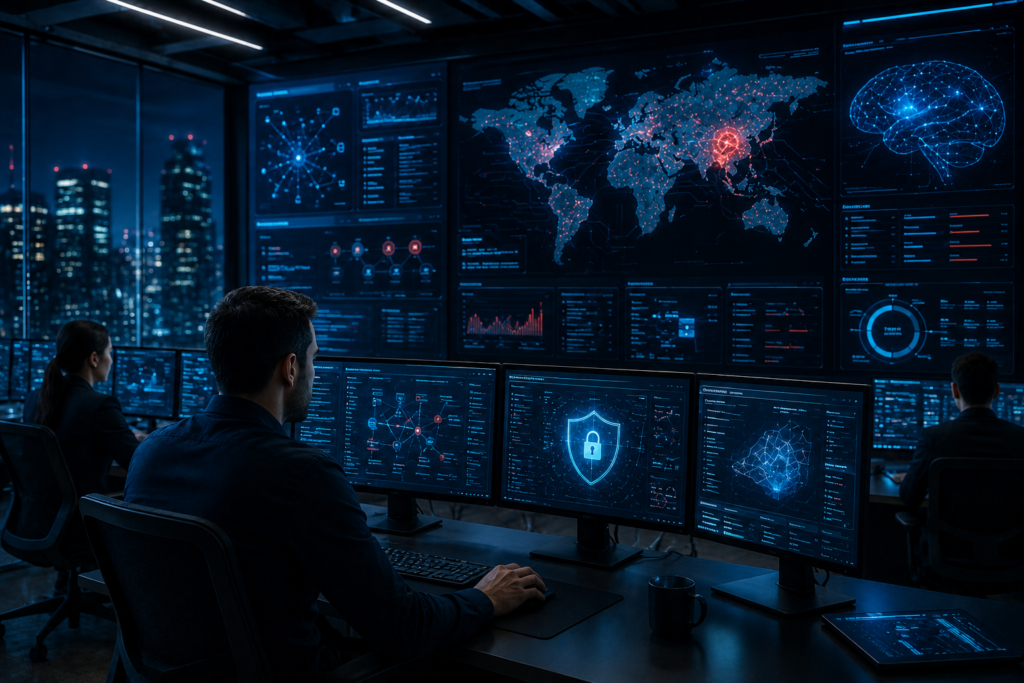
AI-Powered Threat Detection
Artificial intelligence will continue transforming threat detection by identifying attacks faster than traditional methods.
Extended Detection and Response (XDR)
XDR combines data from endpoints, networks, cloud environments, and identity systems.
This broader visibility improves incident response effectiveness.
Zero Trust Security
Zero Trust assumes no user or device should be trusted automatically.
Organizations increasingly adopt this model to reduce attack surfaces.
Cloud-Native Security Platforms
Cloud-first security platforms provide:
- Faster deployment
- Greater scalability
- Simplified management
Automated Incident Response
Automation reduces response times and minimizes damage during attacks.
Behavioral Analytics
Future cybersecurity solutions will rely heavily on behavioral analysis to identify subtle signs of compromise before damage occurs.
Business Cybersecurity Statistics (Latest Data)
Recent industry research highlights why investing in business antivirus software remains essential:
- Ransomware continues to rank among the most disruptive cyber threats facing businesses.
- Small businesses remain prime targets because attackers often view them as easier to compromise.
- Phishing remains one of the leading initial attack vectors.
- Endpoint-related incidents account for a significant percentage of successful breaches.
- The average cost of recovering from a major cybersecurity incident continues to rise annually.
- Security spending among organizations worldwide continues increasing as businesses recognize cyber risk as a business risk.
What do these statistics mean?
They reinforce a simple reality: prevention costs far less than recovery.
Organizations that invest proactively in endpoint security, ransomware protection, employee awareness, and threat detection consistently experience fewer serious incidents.
Frequently Asked Questions
What is the best antivirus for business?
Bitdefender GravityZone, Sophos Intercept X, and Microsoft Defender for Business are among the strongest options for overall business protection, depending on company size and security requirements.
Do small businesses need endpoint protection?
Yes. Endpoint protection for small business environments helps secure laptops, desktops, mobile devices, and remote workers against ransomware, malware, and phishing attacks.
Is Microsoft Defender enough for business use?
For many small and medium-sized businesses, Microsoft Defender for Business provides excellent protection. Larger organizations may benefit from additional security layers and advanced monitoring tools.
What features should business antivirus software include?
Look for real-time threat detection, ransomware protection, cloud management, endpoint security, automated updates, reporting, and centralized administration.
How much does business antivirus software cost?
Pricing varies by vendor and number of devices. Most business antivirus software ranges from a few dollars per device per month to enterprise-level licensing plans.
What is the difference between antivirus and endpoint protection?
Traditional antivirus primarily detects known malware, while endpoint protection uses advanced technologies such as behavioral analysis, AI, and threat intelligence to stop sophisticated attacks.
Can antivirus stop ransomware?
Modern business cybersecurity software can significantly reduce ransomware risk through behavioral monitoring, threat detection, and attack containment features.
How often should businesses update cybersecurity software?
Security software should update automatically whenever possible. Delaying updates increases exposure to newly discovered vulnerabilities and threats.
Final Verdict
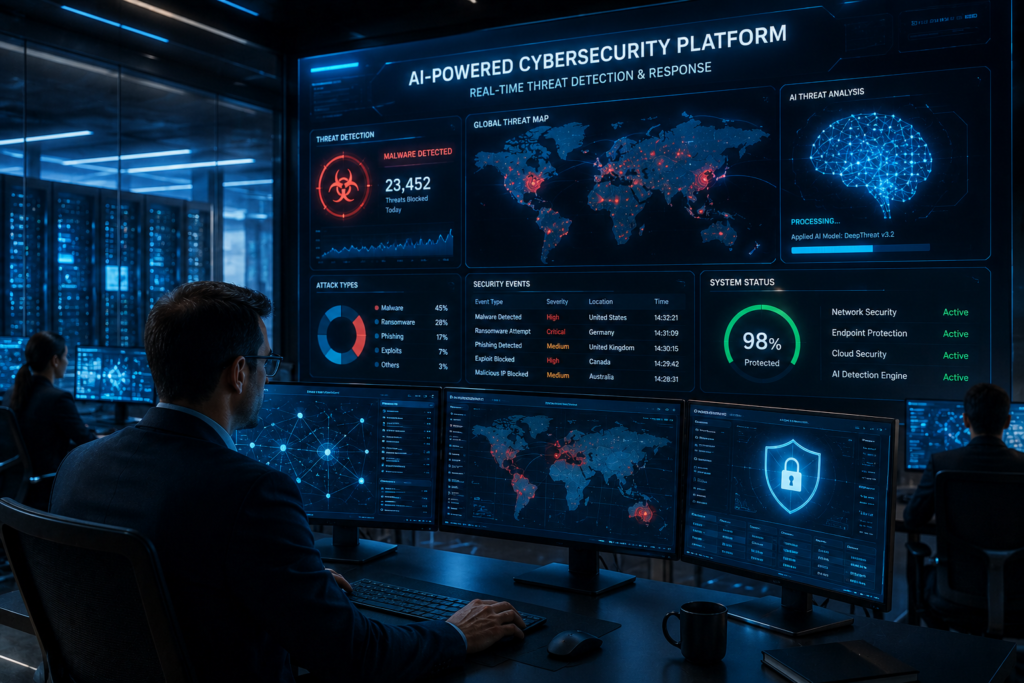
After 25 years of cybersecurity consulting, incident response, and enterprise security management, one lesson remains constant: the best antivirus for business is the solution that matches your organization’s size, risk profile, and operational needs.
My Recommendations
For Small Businesses
- Microsoft Defender for Business
- Norton Small Business
- Malwarebytes for Teams
For Growing Companies
- Bitdefender GravityZone Business Security
- ESET Protect
- Trend Micro Worry-Free Services
For Large Enterprises
- Sophos Intercept X
- Bitdefender GravityZone
- Microsoft Defender with advanced security capabilities
No matter which platform you choose, remember that business antivirus software is only one part of a successful cybersecurity strategy. Combine endpoint protection, employee security awareness training, regular backups, vulnerability management, and continuous monitoring to build a stronger defense against modern cyber threats.
The businesses that invest in proactive security today are the ones most likely to avoid costly ransomware attacks, data breaches, and operational disruptions tomorrow.
Author

razakh6402@gmail.com
Related Posts
Browser Security Extensions: Top Chrome Security Extensions & Privacy Browser Extensions You Need in 2026
- 0
- 2,358 words
best budgeting appsEvery year, browsers become smarter, websites become faster, and online services become more convenient. Unfortunately, cybercriminals evolve just as quickly....
Read out all
Passkeys: How Passwordless Authentication Is Replacing Passwords in 2026
- 0
- 2,452 words
If you’ve ever forgotten a password, reset the same account multiple times, or worried that your login credentials were exposed in a...
Read out all
Cybersecurity Checklist: Essential Small Business Cybersecurity Guide (2026)
- 0
- 2,462 words
Cyberattacks are no longer a problem reserved for large enterprises. Over the last 15 years, I’ve worked with startups, retail stores, healthcare...
Secure Cloud Storage: Best Secure Cloud Storage Services for Business & Personal Use (2026 Guide)
- 0
- 2,443 words
Whether you’re backing up family photos, sharing confidential client documents, or managing sensitive business files, choosing the right secure cloud storage service...
AI Scams: How to Protect Yourself from AI-Powered Scams in 2026 (Expert Guide)
- 0
- 1,918 word
Artificial intelligence has transformed the way we work, communicate, and manage our finances. Unfortunately, cybercriminals have embraced the same technology to create...
Read out all
Future of Cybersecurity: Top Cybersecurity Trends 2026, AI Innovations, and Predictions for the Next Decade
- 1
- 2,173 words
Twenty-five years ago, cybersecurity focused primarily on protecting desktop computers, on-premises servers, and corporate networks. Firewalls, antivirus software, and perimeter defenses formed...
4 comments