
- 3
- 2,448 words
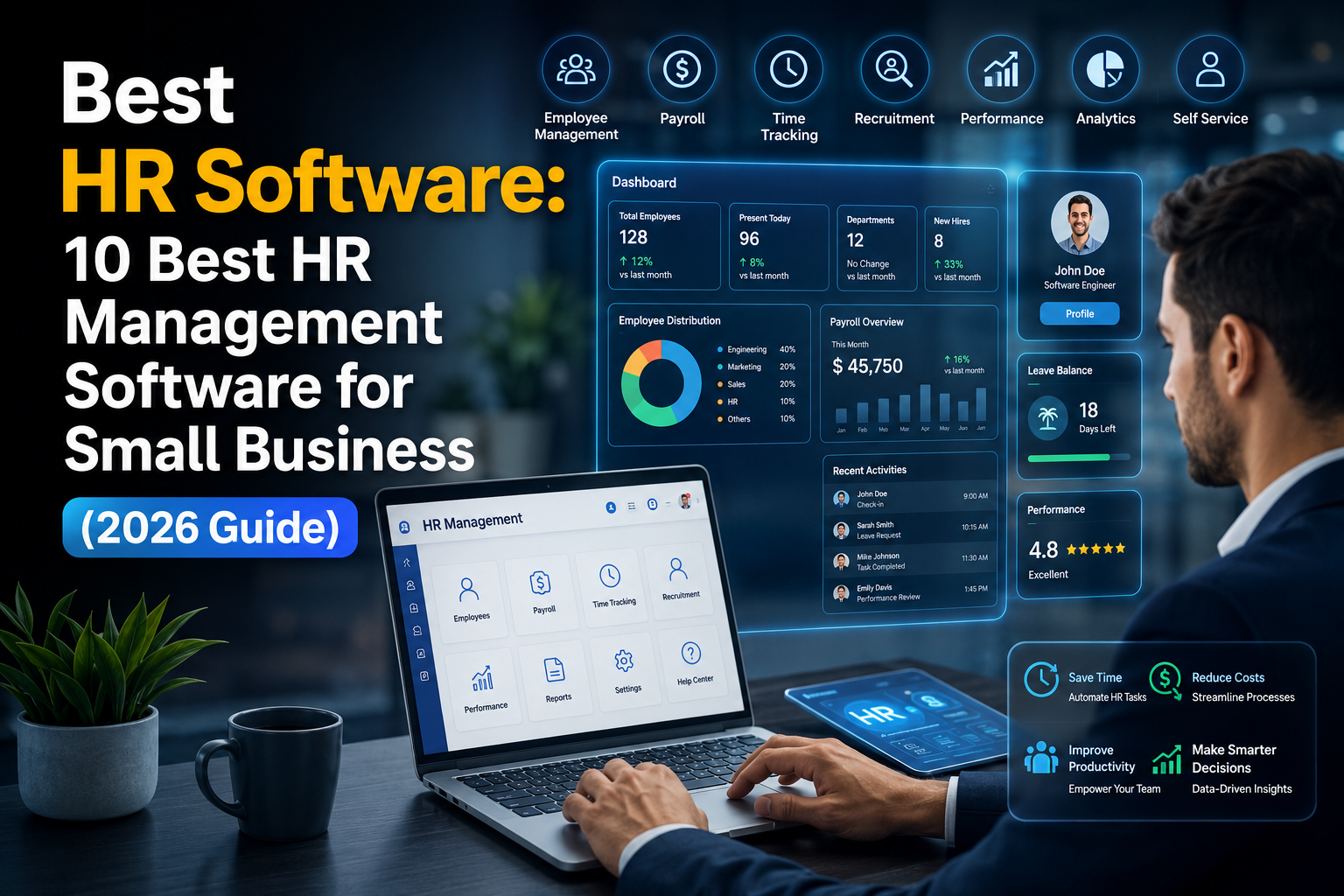
Managing employees was much simpler when businesses relied on spreadsheets, filing cabinets, and paper forms. Today, that approach creates unnecessary delays, compliance risks, payroll mistakes, and frustrated employees. After spending more than 15 years helping startups, growing companies, and enterprise organizations implementHR management software, I’ve seen one lesson repeated countless times: the right HR platform doesn’t just save time—it transforms how a business operates.
A few years ago, I worked with a 35-person marketing agency that managed employee records through Excel spreadsheets and email threads. Leave requests often got lost, payroll corrections became a monthly headache, and onboarding new hires took days instead of hours. After implementing a modern HR software for small business, their HR team reduced administrative work by nearly half and improved employee satisfaction within a few months. The software paid for itself through increased efficiency alone.
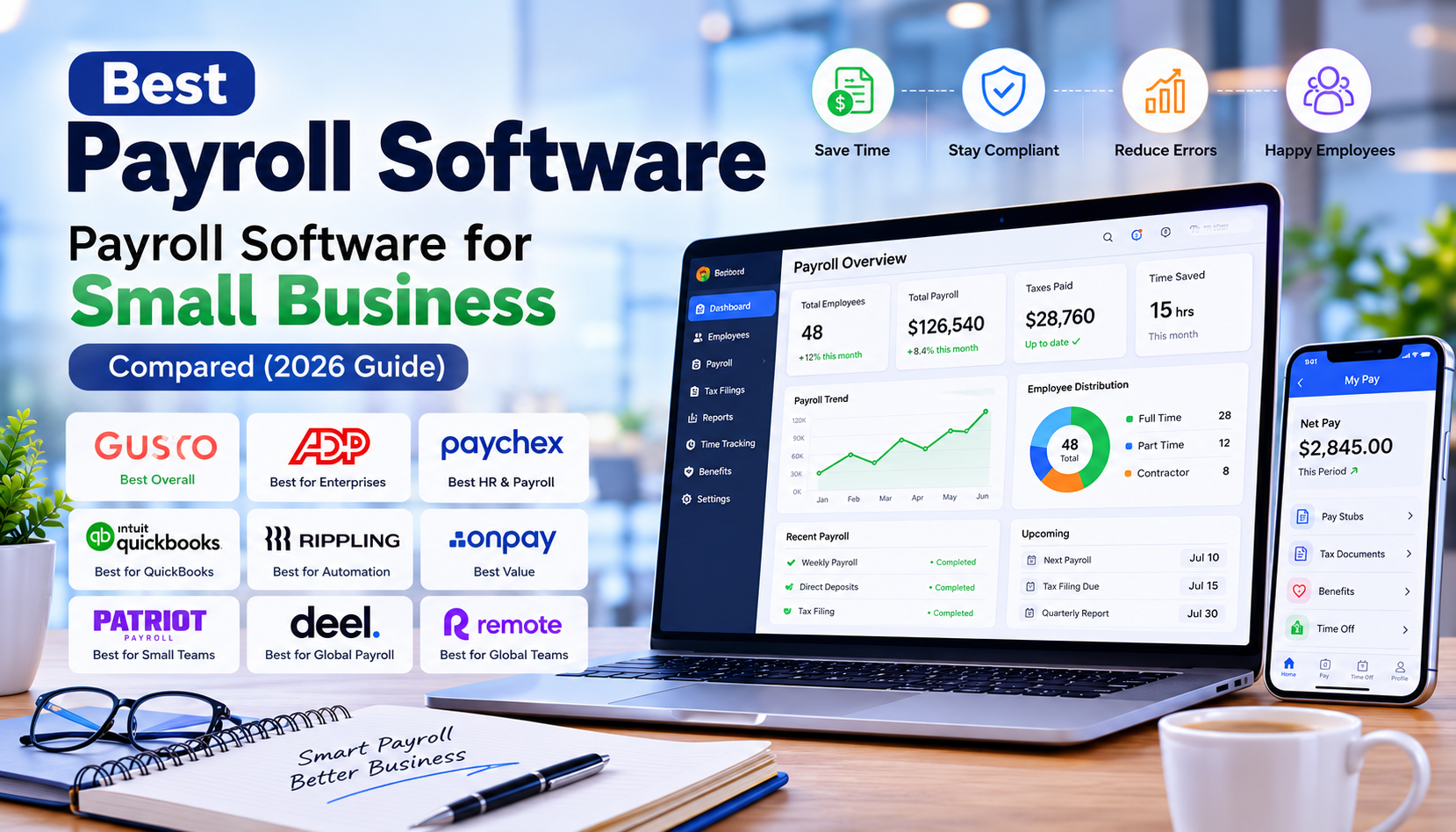
Stories like this are becoming increasingly common because today’s businesses need automation more than ever. Hybrid work, remote teams, evolving labor laws, AI-powered recruiting, and growing employee expectations have made manual HR processes outdated.
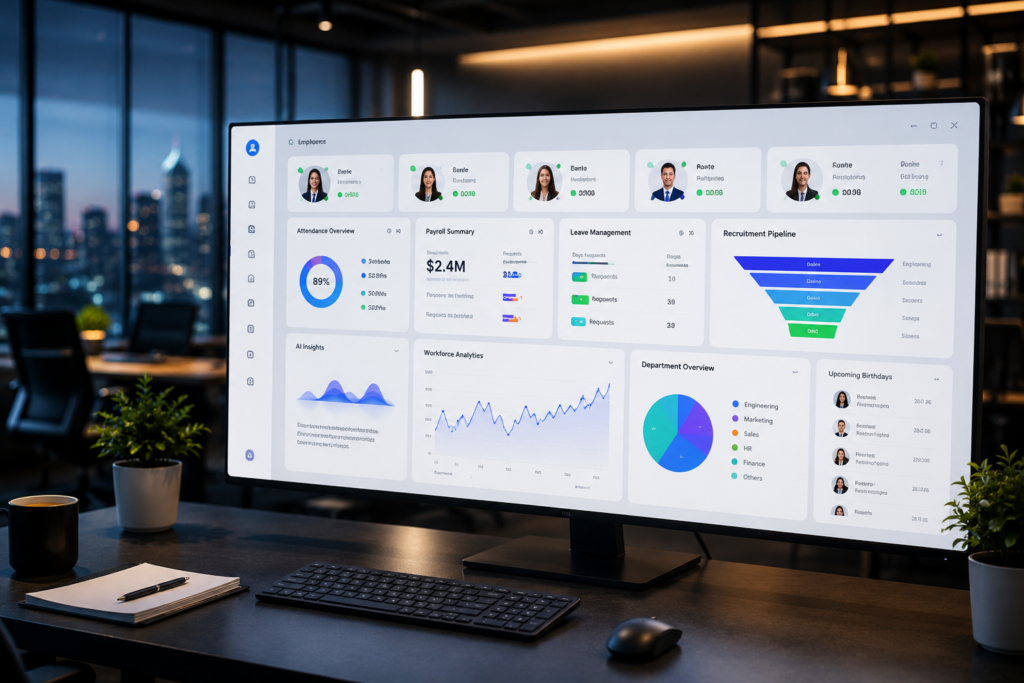
Modern human resource management software centralizes every essential HR task in one secure platform—from hiring and onboarding to attendance tracking, payroll integration, performance reviews, employee engagement, and compliance reporting.
Whether you’re running a startup with ten employees or scaling beyond two hundred team members, choosing the best HR software can significantly improve productivity, reduce administrative costs, and create a better workplace experience.
In this guide, I’ll compare the leading HR platforms available in 2026 based on hands-on implementation experience, ease of use, automation capabilities, customer support, pricing, scalability, and overall business value. I’ll also share practical advice on avoiding common purchasing mistakes and selecting software that supports your company’s long-term growth.

What Is HR Management Software?
HR management software is a centralized digital platform that helps organizations manage the complete employee lifecycle. Instead of juggling multiple spreadsheets and disconnected tools, businesses can automate repetitive HR tasks and maintain accurate employee records in one secure system.
Most modern employee management software combines several HR functions into a single dashboard, allowing HR professionals and managers to spend less time on administration and more time supporting employees.
Core Features
The best HR software typically includes:
- Employee database management
- Recruitment and applicant tracking
- Digital onboarding
- Payroll integration
- Attendance and time tracking
- Leave management
- Performance management
- Benefits administration
- Employee self-service portals
- HR analytics and reporting
- AI-powered workflow automation
- Mobile accessibility
Cloud-based platforms also simplify software updates, improve data security, and make it easier for remote teams to access HR information from anywhere.
Types of HR Software
Different organizations have different HR needs. Common categories include:
- Core HR software for employee records and administration
- Payroll-focused HR platforms
- Recruitment and applicant tracking systems (ATS)
- Performance management solutions
- Workforce management software
- All-in-one human resource management software
In my experience, many growing businesses initially purchase standalone payroll or attendance tools. As the company expands, they often migrate to a complete HR management platform because maintaining multiple disconnected systems becomes inefficient and costly.
Why Every Business Needs HR Software
One of the biggest misconceptions I encounter is that only large enterprises benefit from HR technology. In reality, smaller businesses often gain the greatest value because every hour saved has a direct impact on productivity.
When I consult with business owners, I usually ask a simple question: How many hours does your HR team spend every week on repetitive administrative tasks? The answer is often surprising.
Modern HR software for small business automates many of these responsibilities, allowing HR professionals to focus on hiring, employee development, and company culture rather than paperwork.
Key Benefits
- Faster recruitment and digital onboarding
- Centralized employee records
- Automated attendance and leave tracking
- Payroll integration with fewer errors
- Simplified compliance management
- Employee self-service for documents and requests
- Better performance monitoring
- Actionable workforce analytics
I’ve also noticed that companies implementing employee management software experience smoother onboarding and fewer communication gaps. New hires can complete paperwork digitally before their first day, managers receive automated reminders for reviews, and employees gain instant access to policies, payslips, and leave balances through self-service portals.
Industry analysts such as Gartner, G2, Capterra, and SHRM continue to highlight HR automation as a major driver of operational efficiency and employee experience in 2026. Their research consistently shows that organizations investing in modern HR platforms improve compliance, streamline workflows, and strengthen workforce engagement.
Detailed HR Software Reviews
1. BambooHR
Overview
Whenever a client asks me for the easiest HR software for small business, BambooHR is usually one of the first names I mention. It has consistently delivered one of the best user experiences in the HR software market.
Instead of overwhelming HR teams with unnecessary complexity, BambooHR focuses on simplifying everyday HR operations.
Best Features
- Employee database
- Applicant Tracking System (ATS)
- Digital onboarding
- Performance management
- PTO tracking
- Employee self-service
- HR reporting
Pros
- Extremely user-friendly
- Fast implementation
- Clean dashboard
- Excellent onboarding tools
- Great customer satisfaction
Cons
- Advanced payroll depends on location
- Limited enterprise customization
Pricing
Custom pricing based on employee count.
Best For
- Small businesses
- Growing startups
- HR teams with limited technical expertise
Personal Experience & Recommendation
I’ve implemented BambooHR for businesses with fewer than 100 employees multiple times. The biggest advantage is adoption. Employees usually require almost no training because the interface feels intuitive. If your HR team currently relies on spreadsheets, BambooHR offers one of the smoothest transitions into modern employee management software.
2. Rippling
Overview
Rippling has completely changed how companies think about HR management software. Rather than focusing only on HR, it combines HR, payroll, IT management, app provisioning, and device management into one unified platform.
For technology companies, this can eliminate multiple software subscriptions.
Best Features
- HR automation
- Payroll
- IT asset management
- Identity management
- Workflow automation
- Global workforce support
Pros
- Extremely powerful automation
- Hundreds of integrations
- Scales quickly
- Excellent workflow builder
Cons
- Costs increase with additional modules
- Initial setup requires planning
Pricing
Starts around $8 per employee/month, with additional module pricing.
Best For
- Scaling businesses
- SaaS companies
- Technology startups
Personal Experience & Recommendation
One software startup I advised reduced new employee onboarding from nearly four hours to less than thirty minutes by automating account creation, payroll enrollment, and laptop assignment through Rippling. Few HR platforms deliver that level of operational efficiency.
3. Deel
Overview
If your company hires internationally, Deel deserves serious consideration. It has become one of the leading platforms for global payroll and Employer of Record (EOR) services.
Managing international compliance manually is incredibly challenging. Deel simplifies hiring across dozens of countries while helping businesses remain compliant with local employment laws.

Best Features
- Global payroll
- Employer of Record (EOR)
- Contractor payments
- International compliance
- Benefits management
- Localized contracts
Pros
- Excellent international hiring tools
- Strong compliance support
- User-friendly interface
- Reliable payroll processing
Cons
- Premium features increase costs
- Some advanced workflows require configuration
Pricing
Custom pricing based on hiring model.
Best For
- Remote-first companies
- International businesses
- Global startups
Personal Experience & Recommendation
One client expanded into five countries within six months. Without Deel, they would have needed separate legal and payroll providers in each region. Instead, the platform streamlined hiring while reducing compliance risks significantly.
4. HiBob
Overview
HiBob focuses heavily on employee experience, culture, engagement, and performance management. Unlike traditional HR systems that feel administrative, HiBob encourages collaboration and employee development.
Best Features
- Performance reviews
- Employee engagement surveys
- Workflow automation
- Organizational charts
- Compensation planning
- HR analytics
Pros
- Modern interface
- Strong employee engagement features
- Excellent reporting
- Flexible workflows
Cons
- Premium pricing
- Better suited to mid-sized organizations
Pricing
Custom enterprise pricing.
Best For
- Mid-sized businesses
- Hybrid workplaces
- People-first organizations
Personal Experience & Recommendation
Companies investing in culture often appreciate HiBob’s performance management capabilities. Managers actually use the platform regularly rather than treating it as another HR database.
5. Gusto
Overview
Gusto has earned a strong reputation among small businesses because it combines payroll, HR, and employee benefits into a simple, approachable platform.
For organizations with fewer than 100 employees, it remains one of the most practical HR software for small business solutions.
Best Features
- Payroll automation
- Benefits administration
- Employee onboarding
- Compliance support
- Time tracking
- Document management
Pros
- Easy payroll processing
- Excellent customer support
- Affordable pricing
- Simple interface
Cons
- Primarily designed for U.S. businesses
- Fewer enterprise features
Pricing
Starts at approximately $49 per month plus a per-employee fee.
Best For
- Small businesses
- Startups
- Payroll-focused organizations

Personal Experience & Recommendation
I’ve seen many business owners switch from manual payroll to Gusto and immediately eliminate recurring payroll errors. For companies prioritizing payroll accuracy and ease of use, it’s an excellent starting point.
6. Zoho People
Overview
If you’re looking for affordable HR software for small business, Zoho People consistently ranks among my top recommendations. Over the years, I’ve worked with several startups that needed a reliable HR solution without stretching their budgets. Zoho People delivered the essential features they needed while leaving room to scale.
The biggest advantage is its flexibility. You can start with core HR features and gradually add more functionality as your company grows.
Best Features
- Employee database
- Attendance management
- Leave tracking
- Shift scheduling
- Performance management
- Employee self-service
- Workflow automation
- Custom HR forms
Pros
- Budget-friendly pricing
- Easy implementation
- Highly customizable
- Excellent integration with the Zoho ecosystem
- Strong mobile application
Cons
- Advanced analytics could be stronger
- Some workflows require customization
Pricing
Starts from approximately $1.50 per employee/month.
Best For
- Startups
- Small businesses
- Companies already using Zoho products
Personal Experience & Recommendation
One of my clients—a digital marketing agency with around 40 employees—migrated from spreadsheets to Zoho People in less than two weeks. Attendance tracking became fully automated, leave approvals moved online, and managers saved several hours every month. For businesses seeking value without sacrificing functionality, Zoho People is an excellent choice.
7. Connecteam
Overview
Unlike many traditional HR management software platforms, Connecteam is designed specifically for deskless and frontline employees. If your workforce spends most of the day away from a desk—such as in retail, construction, hospitality, logistics, or field services—Connecteam is worth serious consideration.
Best Features
- Employee scheduling
- Time clock
- GPS tracking
- Internal communication
- Digital forms
- Training modules
- Task management
- Mobile-first experience
Pros
- Outstanding mobile app
- Ideal for field workers
- Affordable pricing
- Easy employee communication
Cons
- Limited enterprise HR functionality
- Not intended for highly complex HR operations
Pricing
Starts around $29/month for small teams.
Best For
- Retail
- Restaurants
- Construction
- Delivery services
- Healthcare teams
Personal Experience & Recommendation
I implemented Connecteam for a regional maintenance company with over 120 field technicians. Before switching, managers coordinated schedules using phone calls and WhatsApp groups. After implementation, scheduling, attendance, and task updates became centralized, significantly reducing communication issues.

8. Workday
Overview
Workday has become one of the most recognized enterprise human resource management software platforms worldwide. It combines HR, finance, analytics, workforce planning, and AI-powered insights into a single cloud ecosystem.
Best Features
- Enterprise HR
- Payroll
- Talent management
- Workforce planning
- Learning management
- Advanced reporting
- AI analytics
Pros
- Highly scalable
- Excellent analytics
- Global workforce support
- Strong security
Cons
- Expensive
- Long implementation
- Requires experienced administrators
Pricing
Custom enterprise pricing.
Best For
- Large organizations
- Global enterprises
- Fortune 500 companies
Personal Experience & Recommendation
I’ve participated in Workday implementations lasting several months. Although deployment requires careful planning, organizations with thousands of employees often experience significant improvements in workforce visibility, reporting, and strategic HR planning.
9. SAP SuccessFactors
Overview
SAP SuccessFactors is another enterprise-grade employee management software platform trusted by multinational organizations. Its strengths lie in talent management, succession planning, learning, and workforce development.
Best Features
- Core HR
- Learning Management System (LMS)
- Recruitment
- Succession planning
- Performance management
- Compensation management
- Workforce analytics
Pros
- Comprehensive HR suite
- Excellent compliance tools
- Global scalability
- Strong talent management
Cons
- Complex implementation
- Higher learning curve
Pricing
Custom pricing.
Best For
- Global enterprises
- Large HR departments
- Multinational corporations
Personal Experience & Recommendation
Organizations investing heavily in employee development usually benefit the most from SuccessFactors. Its learning and succession planning capabilities remain among the strongest in the enterprise HR market.
10. ADP Workforce Now
Overview
ADP has been a trusted name in payroll for decades, and Workforce Now extends that expertise into a complete HR management software solution.
Best Features
- Payroll
- HR management
- Benefits administration
- Time tracking
- Compliance tools
- Talent management
Pros
- Reliable payroll
- Strong compliance
- Extensive HR experience
- Excellent reporting
Cons
- Interface feels less modern than some competitors
- Some advanced features require additional modules
Pricing
Custom pricing.
Best For
- Payroll-heavy organizations
- Mid-sized businesses
- Compliance-focused companies
Personal Experience & Recommendation
Businesses already using ADP payroll often find Workforce Now to be a logical next step because it minimizes integration challenges and keeps payroll and HR data synchronized.
Conclusion
Selecting the best HR software isn’t about choosing the platform with the longest feature list—it’s about finding the solution that aligns with your company’s size, budget, workflows, and long-term goals. After more than 15 years of implementing and evaluating HR management software across startups, small businesses, and large enterprises, I’ve learned that the right platform can dramatically improve efficiency, employee satisfaction, and business performance.
If you’re a small business looking for simplicity and fast implementation, BambooHR, Gusto, and Zoho People are excellent choices. Growing companies that need advanced automation and integrations should consider Rippling or HiBob, while businesses hiring internationally will benefit from Deel‘s global payroll and compliance capabilities. For large enterprises managing complex workforces, Workday, SAP SuccessFactors, and ADP Workforce Now provide the scalability and advanced features required to support long-term growth.
Before making a decision, clearly define your HR priorities, involve key stakeholders, request product demonstrations, and take advantage of free trials whenever possible. Pay close attention to scalability, customer support, security, reporting capabilities, mobile accessibility, and integration options. Investing in the right human resource management software today can save countless hours of administrative work and help your organization build a more productive, engaged, and compliant workforce.
The HR technology landscape continues to evolve rapidly in 2026, with AI-powered automation, predictive workforce analytics, and employee self-service becoming standard features rather than premium add-ons. Businesses that embrace these innovations will be better positioned to attract top talent, streamline operations, and adapt to future workplace challenges.
Ultimately, the best HR software is the one that empowers your people, simplifies everyday HR processes, and grows alongside your business. By choosing wisely, you’ll not only improve operational efficiency but also create a stronger foundation for long-term success.
Author

razakh6402@gmail.com
Related Posts

Lead Generation Software: 12 Best Lead Generation Tools for B2B Sales (2026 Guide)
- 0
- 2,300 words
If someone had asked me 15 years ago what the biggest challenge in sales was, my answer would have been simple: finding...
Survey Software: 12 Best Online Survey Tools & Feedback Software for Businesses (2026 Guide)
- 0
- 1,871 word
Whether I was helping a SaaS startup validate a new feature, assisting an HR team with employee engagement, or optimizing customer experience...
Read out all
Online Course Platform: 12 Best LMS Software & eLearning Platforms for Course Creators (2026 Guide)
- 0
- 1,900 word
The online education industry has changed dramatically over the last 15 years. When I built my first digital training portal, simply uploading...
Team Communication Software: 12 Best Business Messaging Apps for Modern Workplaces in 2026 (Expert Tested)
- 0
- 2,305 words
I’ve personally tested dozens of team communication software platforms while consulting for marketing agencies, software companies, HR departments, remote development teams, and...
Invoice Software: 12 Best Invoicing Software for Small Business in 2026 (Expert Tested)
- 0
- 2,493 words
I’ve worked with freelancers chasing late payments, agencies managing hundreds of monthly invoices, startups scaling internationally, and established businesses struggling with outdated...
Generate one SEO-optimized title thatdigital asset management software
- 6
- 2,632 words
One of the most memorable projects I led involved migrating nearly half a million digital assets from a traditional file server into...
3 comments