
- 0
- 2,193 words
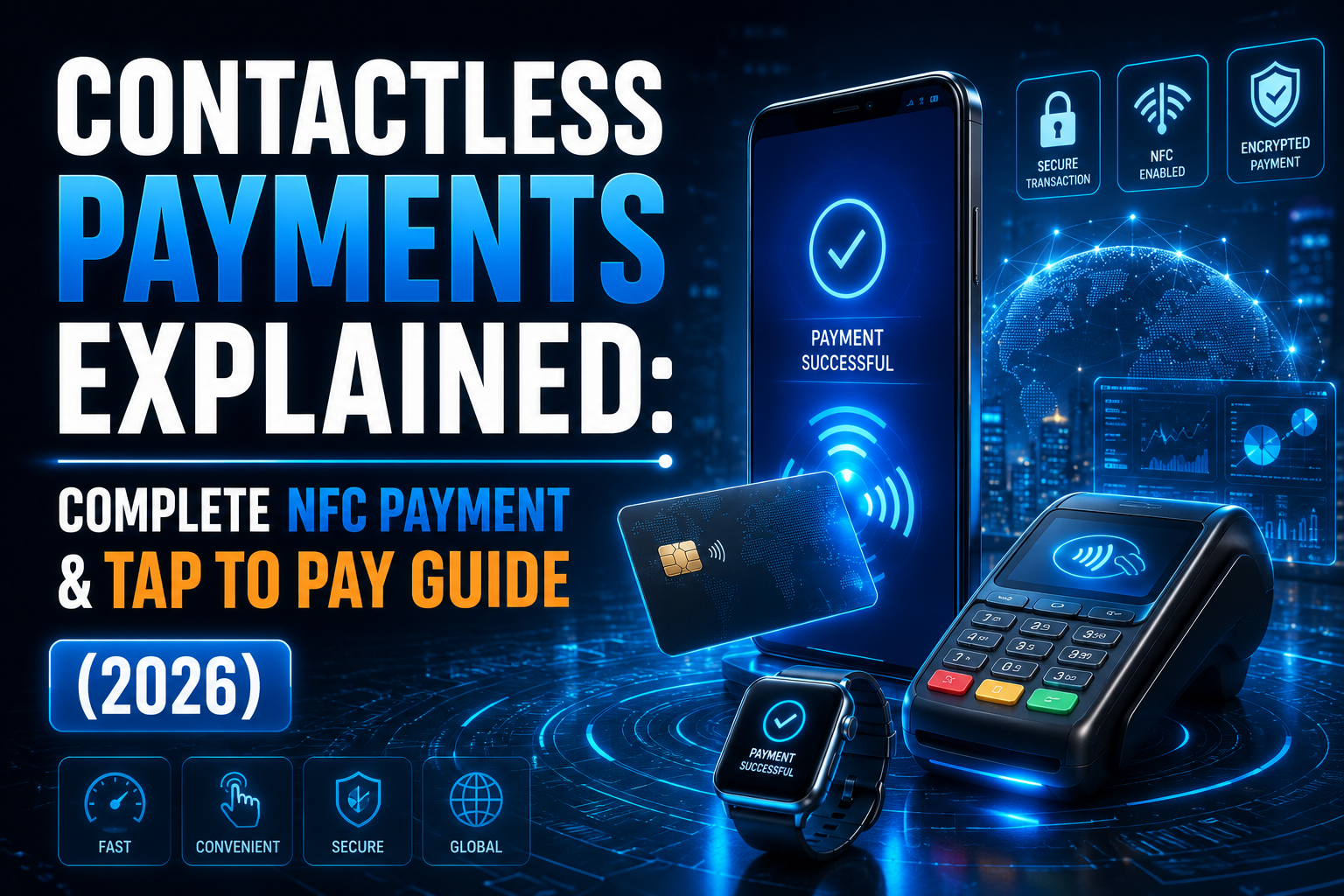
Over the past fifteen years, I’ve watched payment technology evolve from magnetic stripe cards and PIN terminals to today’s seamless contactless payments ecosystem. Few innovations have changed everyday shopping habits as dramatically as contactless payment technology. What once felt futuristic has now become an everyday expectation, whether you’re buying a coffee, boarding public transportation, or paying for groceries with nothing more than a quick tap.
When businesses first began adopting NFC payments, many retailers questioned whether customers would trust wireless transactions. Security concerns were common, payment terminals were limited, and mobile wallets were still in their infancy. Fast forward to 2026, and consumer behavior tells a completely different story. Millions of people now prefer tap to pay because it’s faster, more convenient, and often more secure than inserting a card or handling cash.
Having evaluated payment networks, NFC-enabled terminals, banking systems, and digital wallet technologies across multiple markets, I’ve consistently noticed one trend: consumers embrace payment methods that remove friction without sacrificing security. That’s precisely why contactless payments continue to dominate modern retail.
This guide provides a complete contactless payment explained overview, explores how NFC payments work behind the scenes, examines the latest contactless payment technology, and explains why tap to pay has become the preferred payment method for consumers and merchants alike.
What Are Contactless Payments?
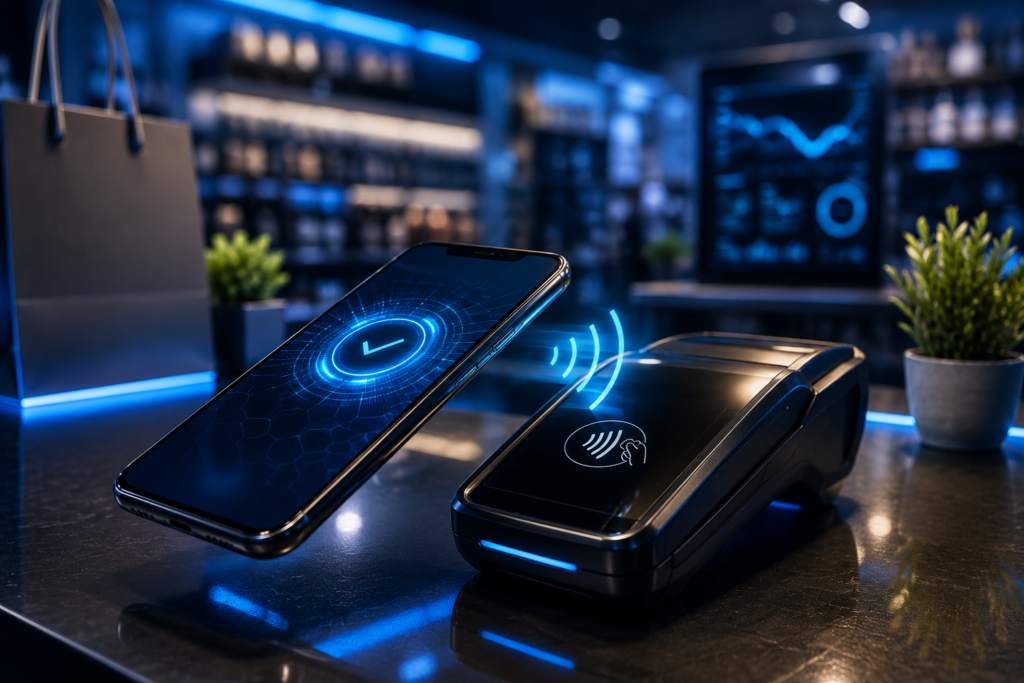
Contactless payments are electronic transactions that allow customers to complete purchases by simply tapping or holding a compatible card, smartphone, smartwatch, or wearable device near an NFC-enabled payment terminal. Instead of inserting a card or swiping a magnetic stripe, the transaction takes place wirelessly within seconds.
At the heart of contactless payment technology is Near Field Communication (NFC), a secure short-range wireless communication protocol that allows two devices to exchange encrypted payment information when placed just a few centimeters apart.
Common examples of contactless payments include:
- Contactless debit cards
- Contactless credit cards
- Apple Pay
- Google Wallet
- Samsung Wallet
- Smartwatches
- Fitness bands with payment capabilities
- NFC-enabled smartphones
One observation I’ve consistently made while consulting retailers is that customers naturally gravitate toward the fastest checkout experience. Long queues often shorten significantly after businesses enable tap to pay, especially in supermarkets, restaurants, convenience stores, airports, and transit systems.
Another important advantage is flexibility. Consumers no longer need to carry physical wallets everywhere. A smartphone or smartwatch can securely store multiple payment cards, making NFC payments both practical and efficient.
How Contactless Payment Technology Works
Although contactless payment technology feels almost effortless from the customer’s perspective, several advanced security systems operate behind every transaction.
Whenever a user performs tap to pay, multiple technologies work together to verify identity, encrypt payment credentials, authorize the purchase, and protect sensitive financial information.
The entire process usually takes only a few seconds.
NFC Payments Explained
Understanding NFC payments is essential to understanding modern digital commerce.
NFC (Near Field Communication) is a short-range wireless communication technology that allows two compatible devices to exchange encrypted information when they are only a few centimeters apart.
Here’s what happens during a typical tap to pay transaction:
- The customer unlocks their smartphone or uses a contactless payment card.
- The device is held close to the NFC payment terminal.
- The terminal establishes a secure encrypted NFC connection.
- Payment credentials are transmitted using encrypted communication.
- The payment network verifies the transaction.
- Authorization is returned within seconds.
- Payment is successfully completed.
One misconception I often encounter is that NFC payments broadcast financial information over long distances. In reality, NFC operates at extremely short ranges, making unauthorized interception significantly more difficult than many people assume.
Another advantage is speed. Most contactless payments complete noticeably faster than chip-and-PIN transactions, which is why high-volume retailers increasingly encourage tap to pay.
RFID vs NFC
Many people confuse RFID with NFC, but they serve different purposes.
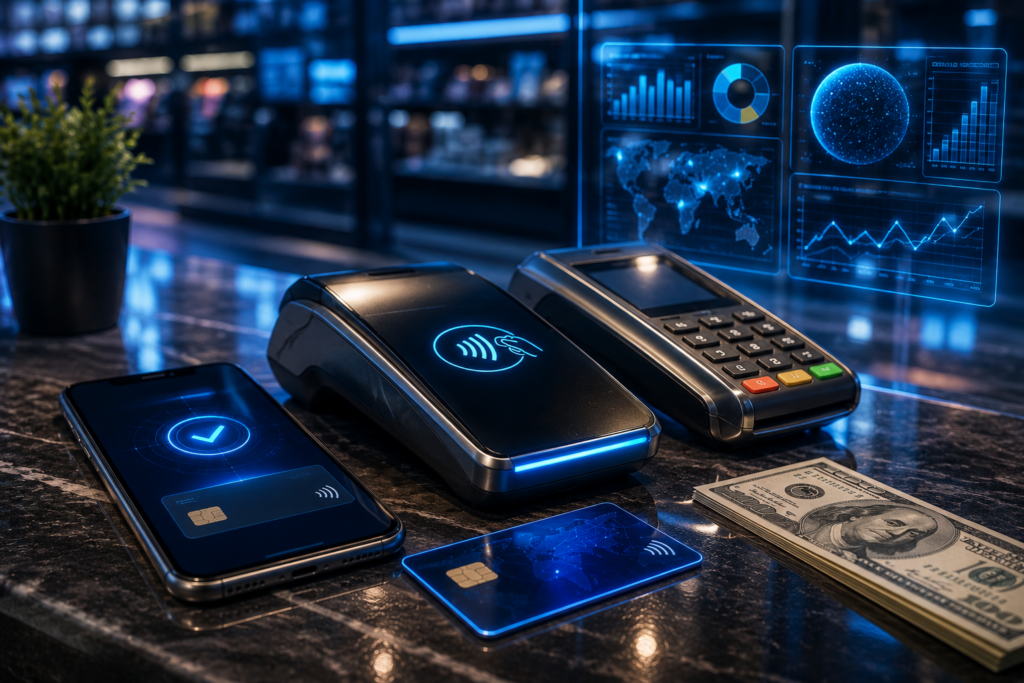
In professional payment system evaluations, I’ve found that NFC’s secure communication architecture makes it far more suitable for financial transactions than traditional RFID systems.
EMV Contactless Technology
Another critical component of contactless payment technology is EMV Contactless.
EMV standards were developed to make electronic payments significantly more secure by generating unique cryptographic data for every transaction.
Unlike older magnetic stripe cards that reused static payment information, EMV-enabled contactless payments generate dynamic authentication values every time you pay.
This dramatically reduces the risk of fraud.
Modern EMV contactless systems typically include:
- Dynamic cryptograms
- Encrypted transaction data
- Secure authentication
- Tokenized payment credentials
- Fraud detection support
These security improvements are one reason why banks continue replacing older cards with contactless-enabled versions.
Tap to Pay Explained
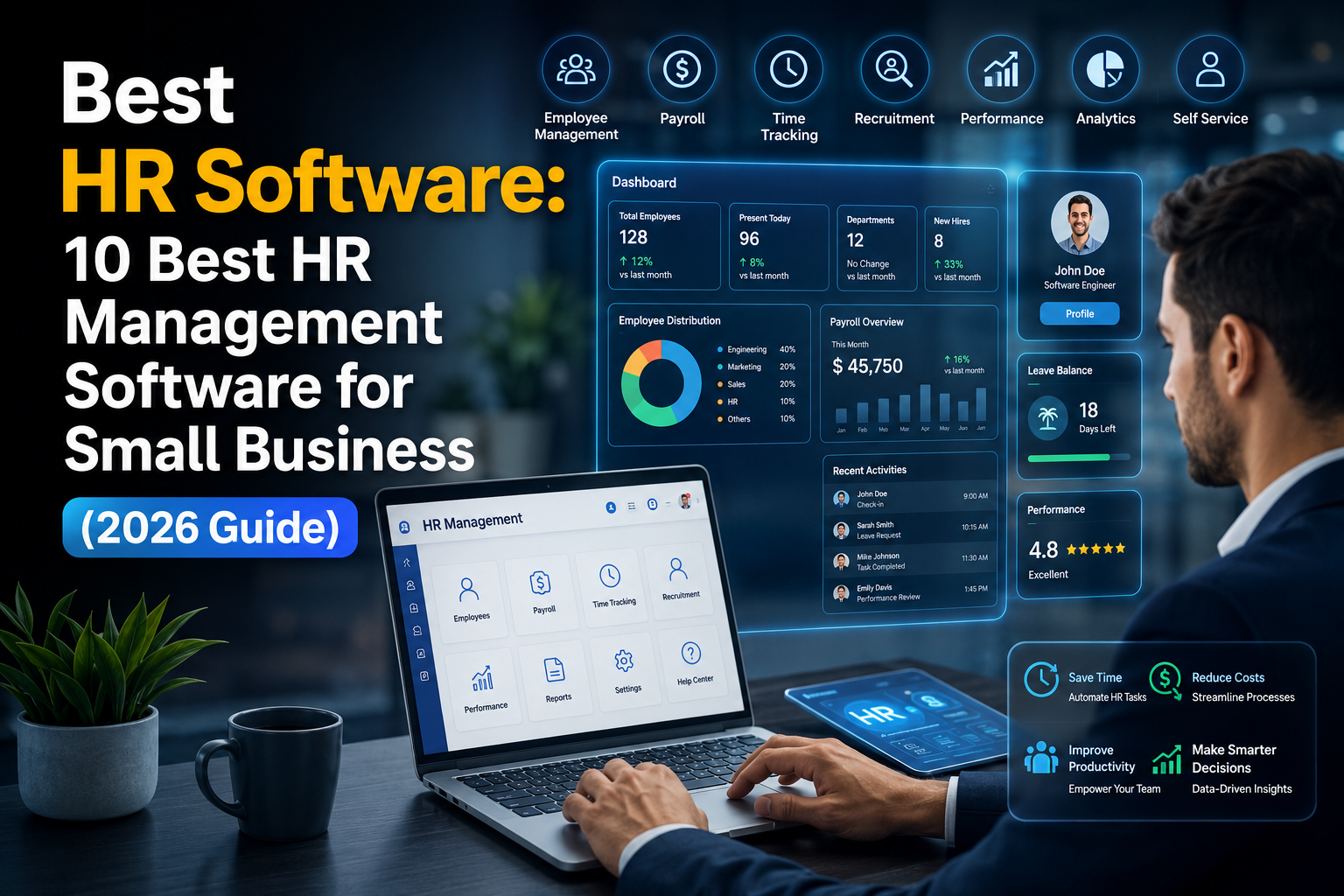
The phrase tap to pay refers to making a payment by simply tapping or holding a compatible payment device near an NFC-enabled payment terminal.
Devices supporting tap to pay include:
- Smartphones
- Contactless debit cards
- Contactless credit cards
- Smartwatches
- Fitness wearables
- Payment-enabled rings (emerging technology)
From years of evaluating checkout experiences, I’ve noticed that tap to pay offers measurable advantages for both consumers and merchants.
Why Consumers Prefer Tap to Pay
- Faster checkout
- Less physical contact
- Easy mobile wallet integration
- Convenient everyday payments
- Reduced need to carry cash
- Secure biometric authentication
Why Businesses Are Upgrading POS Systems
Merchants increasingly adopt contactless payment technology because it provides:
- Faster customer throughput
- Shorter checkout queues
- Better customer satisfaction
- Reduced card handling
- Improved payment security
- Compatibility with modern digital wallets
Many retailers initially viewed tap to pay as a premium feature. Today, customers often expect it as a standard payment option, and businesses without NFC-enabled terminals risk creating unnecessary friction at checkout.
Professional Insight
One of the biggest shifts I’ve observed over the past decade is that consumers no longer judge payment methods solely on price or availability—they judge them on convenience. A smooth, secure tap to pay experience can significantly influence customer satisfaction and even encourage repeat business.
At the same time, payment providers continue investing in AI-powered fraud detection, biometric authentication, and tokenization to make contactless payments even safer. These innovations are transforming contactless payment technology from a convenience feature into the foundation of modern commerce.
Contactless Payments vs Chip Cards vs Cash
As contactless payments become the preferred payment method across retail stores, restaurants, transit systems, and online-connected POS terminals, many people still wonder whether they are actually better than chip cards or cash.
After evaluating payment infrastructure across banks, payment processors, and merchants for years, one trend stands out clearly: customers consistently choose the fastest payment option when security remains strong.
Modern contactless payment technology combines speed with advanced protection, making it one of the biggest improvements in consumer payments over the past decade.
Comparison Table
| Feature | Contactless Payments | Chip Card | Magnetic Stripe | Cash | Mobile Wallet |
|---|---|---|---|---|---|
| Payment Speed | Excellent | Good | Moderate | Moderate | Excellent |
| Security | Very High | High | Low | Medium | Very High |
| NFC Support | Yes | No | No | No | Yes |
| Authentication | PIN/Biometrics | PIN | Signature | None | Biometrics + PIN |
| Fraud Protection | Excellent | Very Good | Weak | None | Excellent |
| Convenience | Excellent | Good | Average | Moderate | Excellent |
| International Acceptance | Excellent | Excellent | Declining | Limited | Growing Rapidly |
| Best Use Case | Everyday shopping | Large purchases | Legacy systems | Small local purchases | Daily digital payments |
For most consumers, contactless payments and tap to pay now provide the best balance of convenience, speed, and security.
Benefits of Contactless Payments
One reason contactless payments have expanded globally is that they solve everyday problems for both shoppers and merchants.
Speed
Speed is the first benefit most people notice.
A tap to pay transaction often completes in just a few seconds.
Busy retailers benefit because:
- Checkout queues move faster.
- Staff spend less time processing payments.
- More customers can be served during peak hours.
I’ve seen retailers significantly improve checkout efficiency simply by upgrading to NFC-enabled terminals.
Convenience
Consumers appreciate convenience more than ever.
With NFC payments, customers can leave home carrying only:
- Smartphone
- Smartwatch
- Contactless card
Digital wallets also store multiple payment cards, making everyday shopping much easier.
Security
A common misconception is that contactless payments are less secure.
The opposite is generally true.
Modern contactless payment technology includes:
- Dynamic encryption
- Tokenization
- Device authentication
- AI fraud monitoring
- Biometric verification
- Secure payment credentials
In professional security evaluations, I consistently find mobile wallets to be among the safest consumer payment methods available.
Hygiene
During recent years, consumers became more conscious about reducing unnecessary physical contact.
Tap to pay minimizes contact with:
- Payment terminals
- PIN pads
- Cash handling
Many businesses continue promoting contactless payments because customers appreciate cleaner checkout experiences.
Global Acceptance
One of the biggest developments in 2026 is the rapid global expansion of contactless payment technology.
Today, NFC payments are widely accepted in:
- Airports
- Hotels
- Restaurants
- Grocery stores
- Transit systems
- Pharmacies
- Retail chains
- Coffee shops
International travelers increasingly rely on tap to pay because it offers a faster and more familiar payment experience across different countries.
Are Contactless Payments Safe?
After years of evaluating payment security systems, this remains the question I hear most often.
The answer is yes—provided you’re using reputable banks, payment networks, and digital wallets.
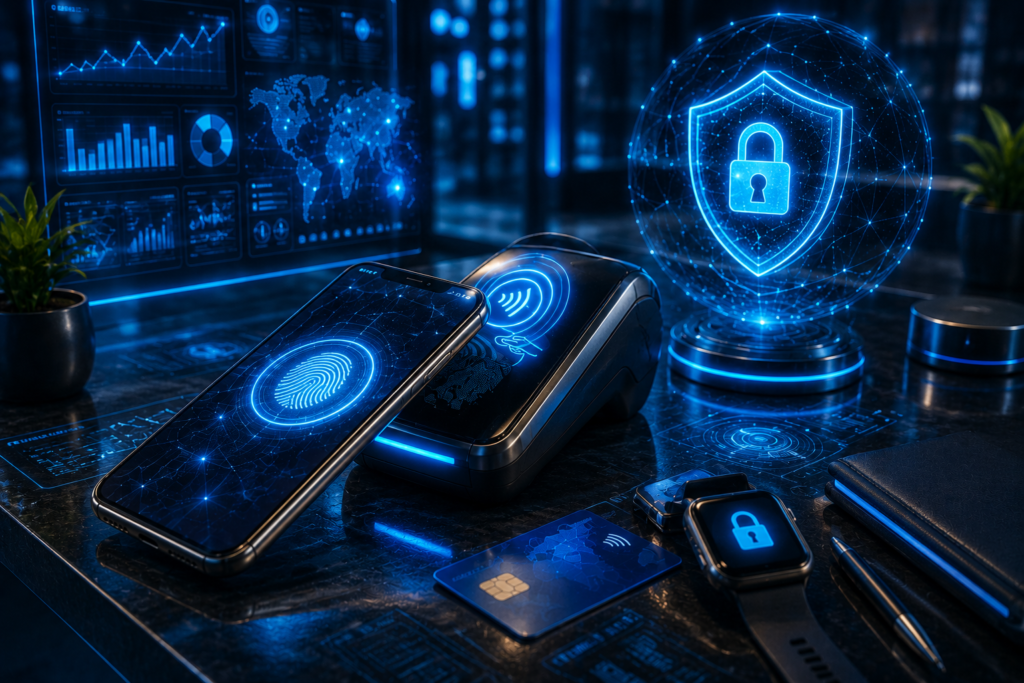
Today’s contactless payment technology incorporates several layers of security.
Encryption
Every contactless payment uses encrypted communication between the payment device and the terminal.
Sensitive financial information is protected throughout the transaction.
Tokenization
Instead of transmitting your real card number, many digital wallets generate temporary payment tokens.
Even if intercepted, these tokens cannot be reused.
Tokenization has become one of the biggest security improvements in NFC payments.
Biometric Authentication
Most smartphones now require:
- Fingerprint recognition
- Face recognition
- Device PIN
before allowing tap to pay transactions.
This extra layer significantly reduces unauthorized payments.
Fraud Protection
Banks and payment networks increasingly rely on AI-powered fraud detection.
Modern systems analyze:
- Spending behavior
- Device location
- Merchant patterns
- Transaction timing
- Risk scoring
Suspicious payments can often be blocked before they are completed.
Devices That Support Tap to Pay
The ecosystem supporting contactless payments continues to expand every year.
Smartphones
Most premium Android devices and iPhones support NFC payments through mobile wallets.
Smartwatches
Wearable payments continue growing rapidly.
Many consumers now pay directly using smartwatches without removing their phones.
Contactless Debit Cards
Nearly every major bank now issues contactless debit cards supporting tap to pay.
Credit Cards
Modern contactless credit cards provide:
- Fast checkout
- International acceptance
- Secure EMV authentication
- Fraud monitoring
Best Digital Wallets for Contactless Payments
Several digital wallets dominate the market in 2026.
Popular options include:
- Apple Pay
- Google Wallet
- Samsung Wallet
Each supports:
- NFC payments
- Tokenization
- Biometric authentication
- Secure cloud payment credentials
- Multiple stored payment cards
The best choice depends on your device ecosystem and regional availability.
Future of Contactless Payment Technology
The future of contactless payment technology extends well beyond simply tapping a card.
Emerging innovations include:
- AI-powered payment assistants
- Open Banking integration
- Embedded Finance
- Real-Time Payments
- QR and NFC hybrid payments
- Tap to Phone acceptance for merchants
- IoT-enabled payments
- Smart vehicle payments
- Wearable payment devices
- Cross-border instant settlements
Another trend I’m watching closely is the expansion of Tap to Phone, allowing merchants to accept contactless payments using only an NFC-enabled smartphone without dedicated payment hardware. This lowers costs for small businesses and accelerates digital payment adoption.
Frequently Asked Questions
What are contactless payments?
Contactless payments allow consumers to pay by tapping an NFC-enabled card, smartphone, or wearable device near a compatible payment terminal.
How does tap to pay work?
Tap to pay uses NFC payments to securely transmit encrypted payment information over a very short distance.
Are NFC payments secure?
Yes. NFC payments use encryption, tokenization, biometric authentication, and fraud monitoring to provide strong security.
Do all phones support contactless payments?
Most modern smartphones equipped with NFC hardware support contactless payment technology through compatible digital wallets.
Can I use contactless payments internationally?
Yes. Contactless payments are accepted in millions of locations worldwide, although availability may vary by country and merchant.
Final Verdict
The shift toward contactless payments represents more than a convenient way to pay—it marks a fundamental transformation in how consumers and businesses interact with money. Over the past 15 years of evaluating payment technologies, I’ve seen wireless transactions evolve from a niche feature into an essential part of everyday commerce.
For consumers, tap to pay delivers unmatched speed, convenience, and security. Features such as NFC payments, tokenization, biometric authentication, and AI-powered fraud detection make modern payment experiences both seamless and trustworthy. Whether you’re paying with a contactless card, smartphone, or smartwatch, today’s contactless payment technology reduces checkout times while enhancing protection against fraud.
Businesses also benefit from faster customer throughput, shorter queues, and broader compatibility with digital wallets. As Open Banking, Embedded Finance, Real-Time Payments, and Tap to Phone solutions continue to mature, adopting contactless payments is becoming less of a competitive advantage and more of a business necessity.
Looking ahead, the future of contactless payment technology is closely tied to AI, wearable devices, IoT commerce, and cross-border digital payments. Consumers increasingly expect secure, frictionless experiences, and merchants that embrace these innovations will be better positioned to meet evolving customer expectations.
Author

razakh6402@gmail.com
Related Posts
Digital Payments: Future of Digital Payments, Payment Technology & Online Payment Trends (2026 Guide)
- 0
- 2,609 words
The way we pay for goods and services has changed more in the past decade than it did in the previous fifty...
Embedded Finance Explained: Complete Guide to Embedded Banking & Banking as a Service (2026)
- 0
- 2,288 words
Over the last fifteen years, I’ve watched financial services evolve from products that required customers to visit a bank into experiences seamlessly...
Neobank vs Traditional Bank: Complete Digital Banking Comparison Guide (2026)
- 0
- 2,379 words
The debate around neobank vs traditional bank has become more relevant than ever as digital banking continues to reshape how people manage...

Financial Planning Software: 10 Best Personal Financial Planning Software & Wealth Management Software (2026 Guide)
- 0
- 2,621 words
Managing money has changed dramatically over the past decade. When I first began advising clients more than 15 years ago, financial planning...
Best Expense Tracking Apps: Top Expense Tracker & Best Expense Management Software (2026 Guide)
- 2
- 2,595 words
Whether you’re running a startup, managing a growing business, freelancing full-time, or simply trying to control your personal finances, one thing remains...
Mobile Banking Security: Complete Guide to Secure Mobile Banking & Banking App Security (2026)
- 0
- 2,221 words
Mobile banking has transformed how we manage our finances. Today, I rarely visit a physical bank branch because almost every transaction from...
Read out all