

- 4
- 1,785 word
The cybersecurity landscape is evolving faster than at any point I have witnessed during the past 15 years of investigating cyber incidents, advising enterprises, and monitoring global threat intelligence operations.
In 2026, organizations are facing a new reality. Artificial intelligence is empowering both defenders and attackers. Cloud environments continue to expand. Remote work remains a permanent business model. Connected devices are multiplying across industries. At the same time, cybercriminals are becoming more sophisticated, automated, and financially motivated.
What makes cybersecurity trends 2026 particularly significant is the convergence of multiple disruptive technologies. Generative AI, quantum computing research, cloud-native architectures, and autonomous security systems are transforming how organizations protect their digital assets.
From ransomware investigations to enterprise security assessments, one observation has remained consistent: attackers adapt faster than most organizations. Companies that wait for threats to become mainstream often find themselves responding to incidents rather than preventing them.
Understanding the future of cybersecurity 2026 is no longer optional. It is a strategic requirement for businesses seeking resilience, compliance, and competitive advantage.
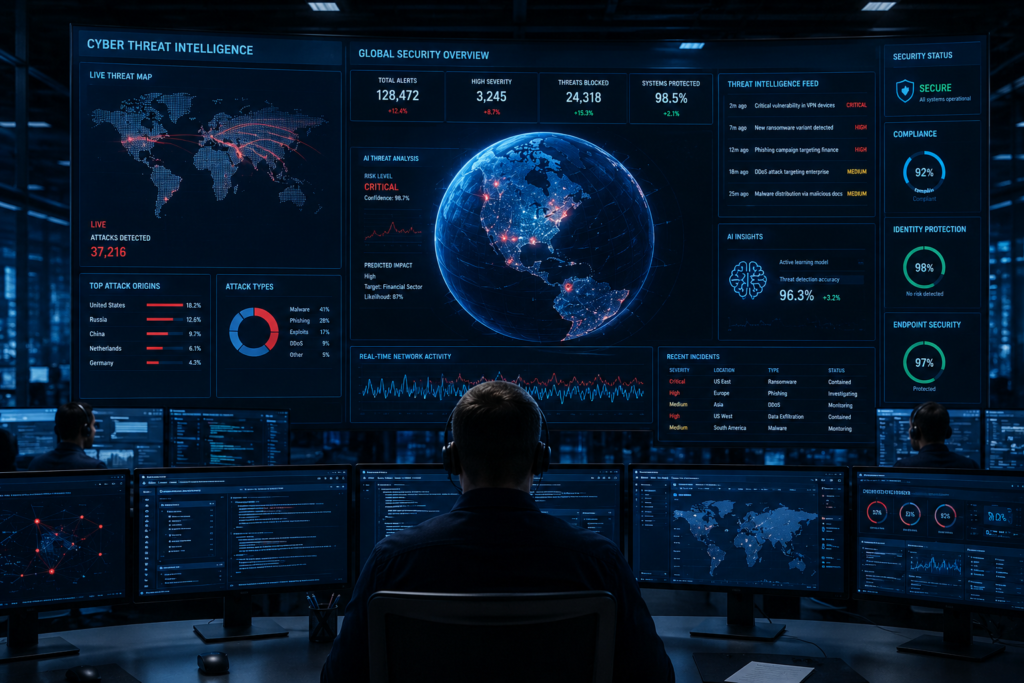
Why Cybersecurity Is Entering a New Era in 2026
Several forces are reshaping cybersecurity industry trends.
Organizations now operate across hybrid cloud environments, SaaS platforms, IoT ecosystems, and distributed workforces. Every digital transformation initiative expands the attack surface.
Over the past decade, I have watched attackers evolve from opportunistic hackers into highly organized cybercriminal enterprises. Today’s adversaries leverage AI, automation, and commercialized attack tools to launch large-scale campaigns.
Key drivers include:
- Expanding digital attack surfaces
- AI-driven cybercrime
- Accelerated cloud adoption
- Hybrid and remote work environments
- Increasing regulatory requirements
- Growing third-party ecosystem risks
The organizations that thrive in 2026 will treat cybersecurity as a business strategy rather than a technical function.
Top Cybersecurity Trends 2026 Businesses Must Watch
AI-Powered Cyber Attacks
Why It Matters
Attackers now use AI to create phishing campaigns, malware variants, and social engineering attacks at unprecedented speed.
Real-World Impact
Security teams increasingly encounter AI-generated emails that are nearly impossible to distinguish from legitimate communications.
Expert Insights
Recent threat investigations show attackers leveraging large language models to automate reconnaissance and content generation.
Future Outlook
AI-powered attacks will become more personalized, scalable, and difficult to detect.
AI-Powered Cyber Defense
Why It Matters
Security teams cannot manually process billions of security events.
Real-World Impact
AI-driven Security Operations Centers (SOCs) reduce response times dramatically.
Expert Insights
Organizations deploying AI-assisted threat detection often identify threats hours before traditional tools.
Future Outlook
AI will become a standard component of enterprise defense platforms.
Zero Trust Security Expansion
Why It Matters
Trust-based security models no longer work.
Real-World Impact
Organizations increasingly verify every user, device, and application.
Expert Insights
Many breaches originate from compromised credentials rather than sophisticated exploits.
Future Outlook
Zero Trust adoption will accelerate across all industries.
Identity-First Security
Why It Matters
Identity has become the new security perimeter.
Real-World Impact
Credential theft remains one of the leading attack vectors.
Expert Insights
Strong identity controls consistently reduce breach likelihood.
Future Outlook
Passwordless authentication and adaptive access controls will become standard.
Quantum Computing Threats
Why It Matters
Quantum computing could eventually break current encryption standards.
Real-World Impact
Organizations must prepare long before practical quantum attacks emerge.
Expert Insights
Forward-looking enterprises already assess cryptographic dependencies.
Future Outlook
Quantum-resistant encryption adoption will accelerate.
Cloud-Native Security Platforms
Why It Matters
Cloud environments require different protection strategies.
Real-World Impact
Misconfigurations remain a major cause of cloud breaches.
Expert Insights
Visibility across multi-cloud environments is often limited.
Future Outlook
Integrated cloud security platforms will dominate enterprise security architecture.
Extended Detection and Response (XDR)
Why It Matters
Security data often exists in disconnected systems.
Real-World Impact
XDR improves visibility across endpoints, networks, cloud, and identity systems.
Expert Insights
Organizations with mature XDR programs typically reduce investigation times.
Future Outlook
XDR will become a central cybersecurity technology.
Cybersecurity Automation
Why It Matters
Security teams face growing workloads and talent shortages.
Real-World Impact
Automated response capabilities improve efficiency.
Expert Insights
Automation allows analysts to focus on complex investigations.
Future Outlook
Autonomous security operations will continue expanding.
IoT Security Evolution
Why It Matters
Connected devices introduce new attack vectors.
Real-World Impact
Manufacturing, healthcare, and smart infrastructure face growing IoT risks.
Expert Insights
Many organizations still lack comprehensive device visibility.
Future Outlook
IoT-specific security controls will become mandatory.
Supply Chain Security
Why It Matters
Third-party compromise can impact thousands of organizations simultaneously.
Real-World Impact
Supply chain attacks continue increasing globally.
Expert Insights
Vendor risk management is becoming a board-level concern.
Future Outlook
Continuous third-party monitoring will become standard practice.
Security for Generative AI Applications
Why It Matters
Organizations rapidly deploy AI applications without adequate security controls.
Real-World Impact
Data leakage and prompt injection attacks are increasing.
Expert Insights
AI governance programs remain immature.
Future Outlook
Dedicated AI security frameworks will emerge.
Data Privacy and Compliance Technologies
Why It Matters
Regulatory expectations continue growing worldwide.
Real-World Impact
Organizations face significant penalties for non-compliance.
Expert Insights
Privacy technologies increasingly integrate with security platforms.
Future Outlook
Compliance automation will become a major investment area.
Comparison Table of Major Cybersecurity Trends
| Trend | Adoption Level | Business Impact | Risk Level | Growth Potential |
|---|---|---|---|---|
| AI-Powered Attacks | High | Very High | Critical | Very High |
| AI-Powered Defense | High | Very High | Medium | Very High |
| Zero Trust | High | High | Medium | High |
| Identity Security | High | Very High | High | High |
| Quantum Security | Emerging | High | Future Critical | Very High |
| Cloud-Native Security | High | High | High | High |
| XDR | Growing | High | Medium | High |
| Automation | High | High | Medium | Very High |
| IoT Security | Moderate | High | High | High |
| Supply Chain Security | Growing | Very High | High | High |
| AI Application Security | Emerging | High | High | Very High |
| Privacy Technologies | High | High | Medium | Hig |
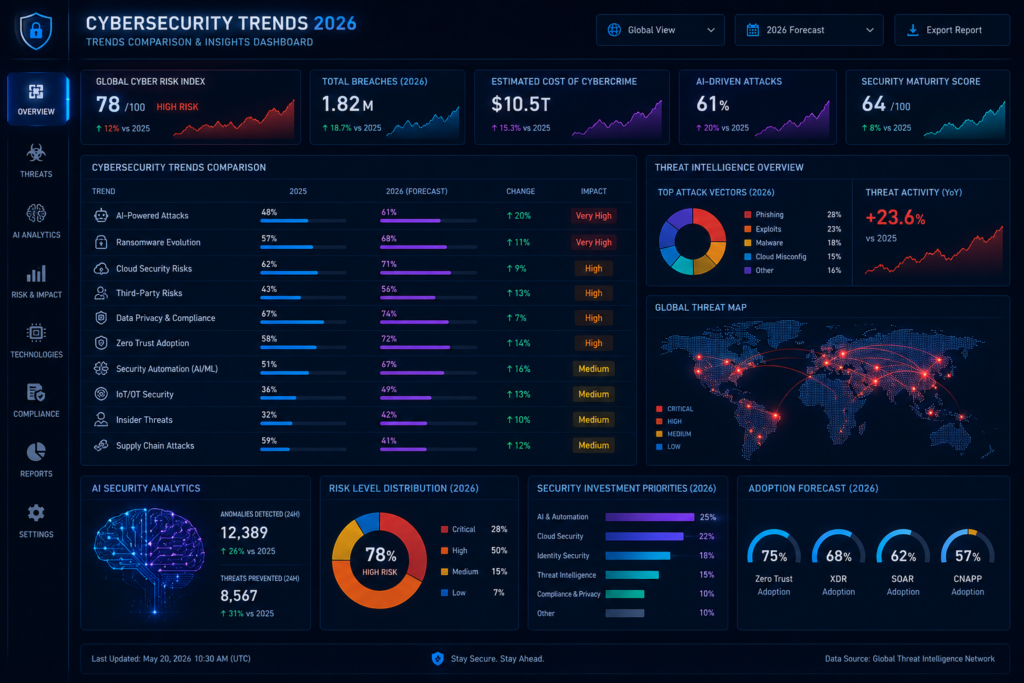
Emerging Cybersecurity Technologies Transforming Security
AI Security Platforms
Advanced AI platforms correlate security data and identify anomalies faster than human analysts.
Behavioral Analytics
Behavioral analytics detects unusual user activity and insider threats before damage occurs.
Quantum-Resistant Cryptography
Organizations are preparing for post-quantum security standards recommended by organizations such as NIST.
Autonomous Security Systems
Future systems will automatically investigate and respond to threats.
Secure Access Service Edge (SASE)
SASE combines networking and security into a unified cloud-delivered model.
Cybersecurity Mesh Architecture
Cybersecurity Mesh enables distributed security controls across modern environments.
Practical deployments show these emerging cybersecurity technologies significantly improve visibility and resilience.
Cybersecurity Predictions 2026 for Businesses
Small Businesses
Cybercriminals will increasingly target small organizations due to weaker defenses.
Startups
Security-by-design will become essential for attracting investors and customers.
Enterprises
Large organizations will invest heavily in AI-powered security operations.
Government Organizations
Nation-state cyber threats will continue increasing.
Healthcare Sector
Healthcare remains one of the most targeted sectors due to sensitive patient data.
Financial Institutions
Financial organizations will accelerate fraud detection and identity security investments.
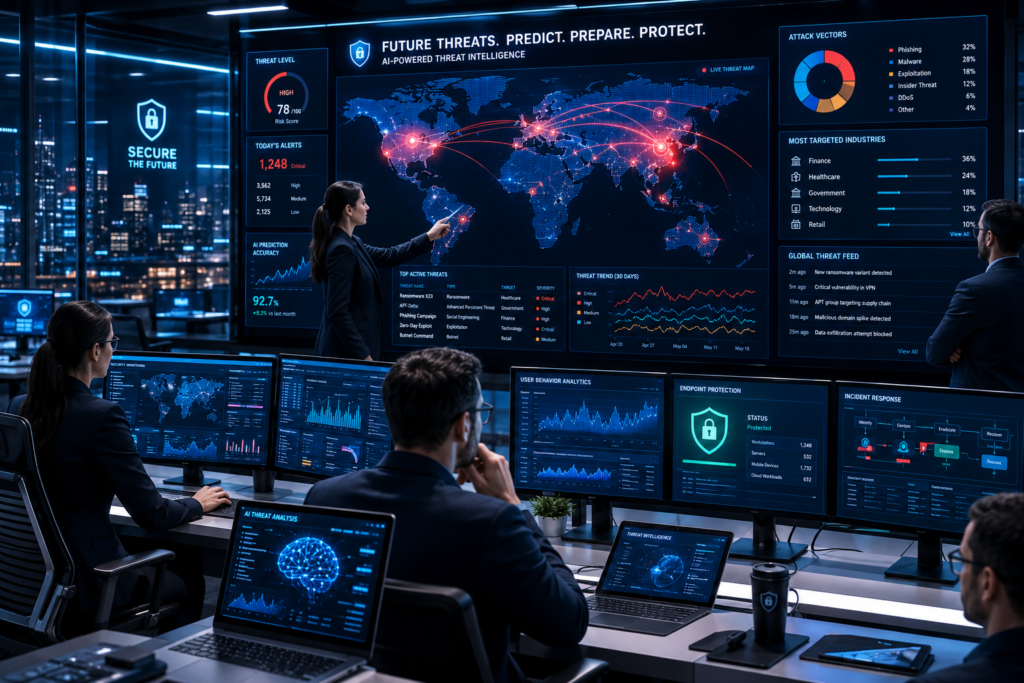
Future of Cybersecurity 2026 and Beyond
Security in an AI-First World
AI will fundamentally transform both offense and defense.
The Rise of Autonomous Security Operations
Routine detection and response activities will become automated.
Human and AI Collaboration
Security professionals will focus on strategic decision-making while AI handles repetitive tasks.
Quantum Computing Preparedness
Organizations must inventory cryptographic assets today.
Security-By-Design Strategies
Future systems will integrate security from inception rather than as an afterthought.
My long-term prediction is clear: organizations embracing security-by-design and AI-assisted defense will significantly outperform reactive security programs.
Biggest Challenges Facing Cybersecurity Teams
Cybersecurity professionals face several major obstacles:
- Talent shortages
- AI-generated threats
- Cloud complexity
- Regulatory compliance requirements
- Third-party risks
- Budget limitations
One lesson from years of incident response is that technology alone cannot solve cybersecurity challenges. Effective governance, leadership support, and employee awareness remain essential.
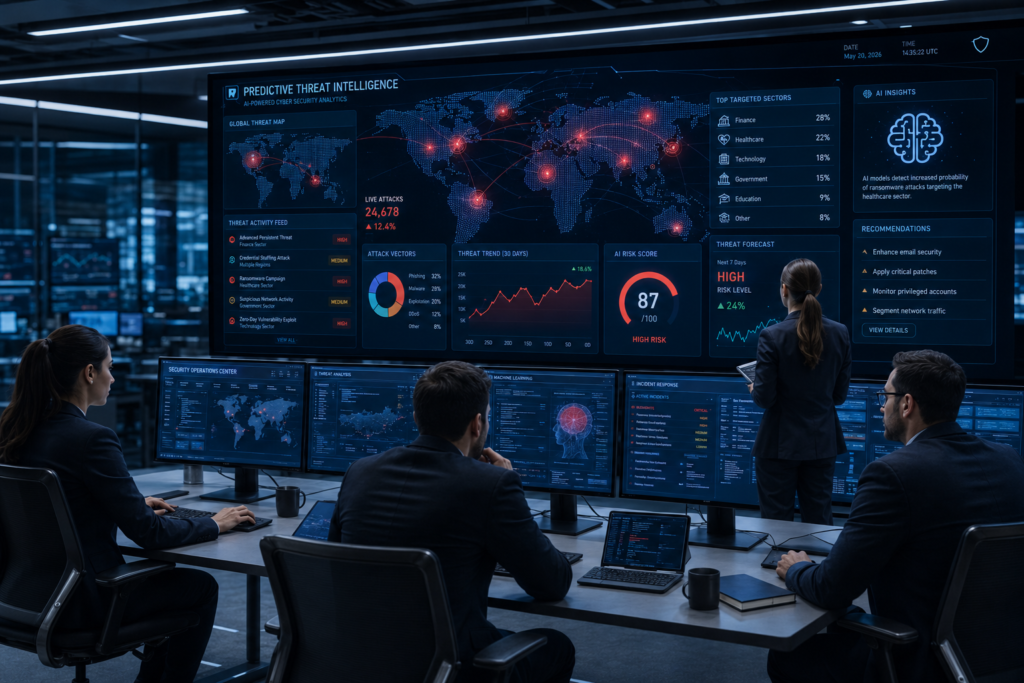
How Organizations Can Prepare for Future Cybersecurity Threats
Adopt Zero Trust
Implement continuous verification across users and devices.
Invest in AI Security Tools
Use AI to enhance threat detection and response capabilities.
Strengthen Identity Management
Deploy multi-factor authentication and passwordless technologies.
Improve Employee Awareness
Regular training reduces phishing-related incidents.
Enhance Threat Intelligence
Leverage intelligence from trusted sources such as CISA, ENISA, OWASP, and MITRE ATT&CK.
Develop Incident Response Plans
Practice response procedures before incidents occur.
Frequently Asked Questions
What are the biggest cybersecurity trends 2026?
AI-powered attacks, AI-powered defense, Zero Trust, identity security, cloud-native security, and quantum-resistant cryptography.
How will AI impact cybersecurity in 2026?
AI will improve threat detection while simultaneously enabling more sophisticated cyberattacks.
What are the most important emerging cybersecurity technologies?
AI security platforms, behavioral analytics, SASE, cybersecurity mesh architecture, and quantum-resistant cryptography.
Will quantum computing threaten cybersecurity?
Eventually yes. Organizations should begin planning for post-quantum cryptography today.
What industries face the highest cybersecurity risks?
Healthcare, finance, government, manufacturing, and critical infrastructure sectors.
How can businesses prepare for future cyber threats?
Adopt Zero Trust, improve identity management, invest in AI security, and strengthen incident response.
What is Zero Trust security?
A security model that continuously verifies users, devices, and applications before granting access.
Why are cybersecurity industry trends changing so rapidly?
Rapid digital transformation, AI innovation, cloud adoption, and evolving attacker capabilities continuously reshape the threat landscape.
Conclusion
The cybersecurity trends 2026 landscape reflects one undeniable reality: cybersecurity is becoming more intelligent, automated, and strategically important than ever before.
The most important cybersecurity predictions 2026 point toward widespread adoption of AI-powered defense, expanded Zero Trust architectures, stronger identity security, cloud-native protection, and preparation for future quantum threats. At the same time, organizations must defend against increasingly sophisticated AI-driven cyberattacks and supply chain compromises.
The future of cybersecurity 2026 belongs to organizations that proactively embrace emerging cybersecurity technologies rather than reacting to threats after they occur. Businesses that invest early in automation, threat intelligence, security-by-design practices, and workforce readiness will build a significant resilience advantage.
Cybersecurity is no longer just about preventing breaches. It is about enabling trust, supporting innovation, and ensuring business continuity in an increasingly connected world. The organizations that adapt today will be the ones best positioned to thrive tomorrow.
Author

razakh6402@gmail.com
Related Posts

Browser Security Extensions: Top Chrome Security Extensions & Privacy Browser Extensions You Need in 2026
- 0
- 2,358 words
best budgeting appsEvery year, browsers become smarter, websites become faster, and online services become more convenient. Unfortunately, cybercriminals evolve just as quickly....
Read out all
Passkeys: How Passwordless Authentication Is Replacing Passwords in 2026
- 0
- 2,452 words
If you’ve ever forgotten a password, reset the same account multiple times, or worried that your login credentials were exposed in a...
Read out all
Cybersecurity Checklist: Essential Small Business Cybersecurity Guide (2026)
- 0
- 2,462 words
Cyberattacks are no longer a problem reserved for large enterprises. Over the last 15 years, I’ve worked with startups, retail stores, healthcare...

Secure Cloud Storage: Best Secure Cloud Storage Services for Business & Personal Use (2026 Guide)
- 0
- 2,443 words
Whether you’re backing up family photos, sharing confidential client documents, or managing sensitive business files, choosing the right secure cloud storage service...

AI Scams: How to Protect Yourself from AI-Powered Scams in 2026 (Expert Guide)
- 0
- 1,918 word
Artificial intelligence has transformed the way we work, communicate, and manage our finances. Unfortunately, cybercriminals have embraced the same technology to create...
Read out all
Future of Cybersecurity: Top Cybersecurity Trends 2026, AI Innovations, and Predictions for the Next Decade
- 1
- 2,173 words
Twenty-five years ago, cybersecurity focused primarily on protecting desktop computers, on-premises servers, and corporate networks. Firewalls, antivirus software, and perimeter defenses formed...
4 comments