
- 0
- 2,003 words
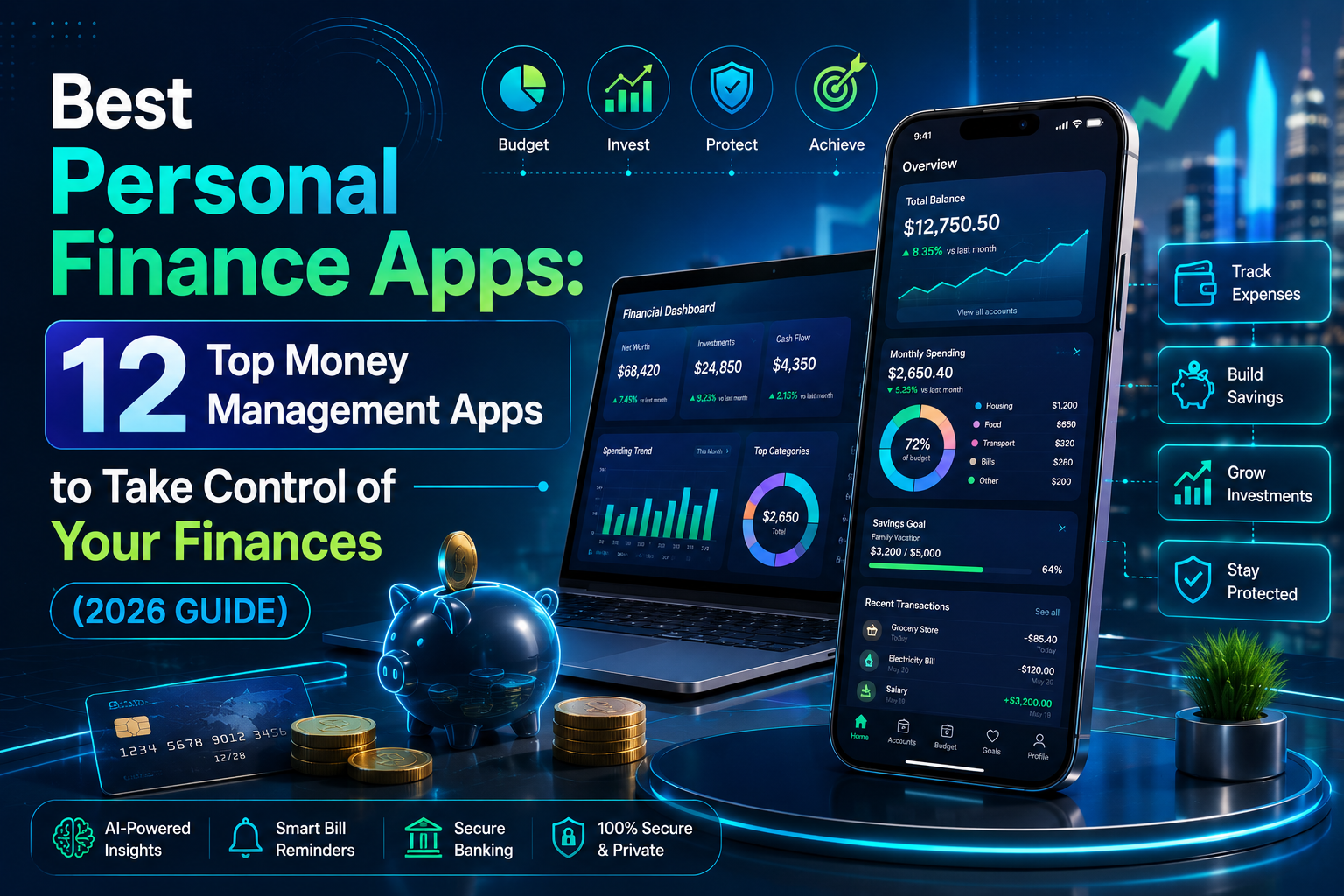
Managing money has changed dramatically over the past decade. When I started reviewing financial tools more than 15 years ago, most people relied on spreadsheets, handwritten expense books, or simple banking apps. Today, AI-powered personal finance software can automatically categorize spending, monitor investments, track subscriptions, and even suggest ways to save money.
I’ve tested dozens of budgeting platforms, investment trackers, and every major money management app available. Some impressed me with their automation, while others looked attractive but failed in real-world daily use. One lesson has remained consistent: the best personal finance apps aren’t necessarily the ones with the most features—they’re the ones you’ll actually use consistently.
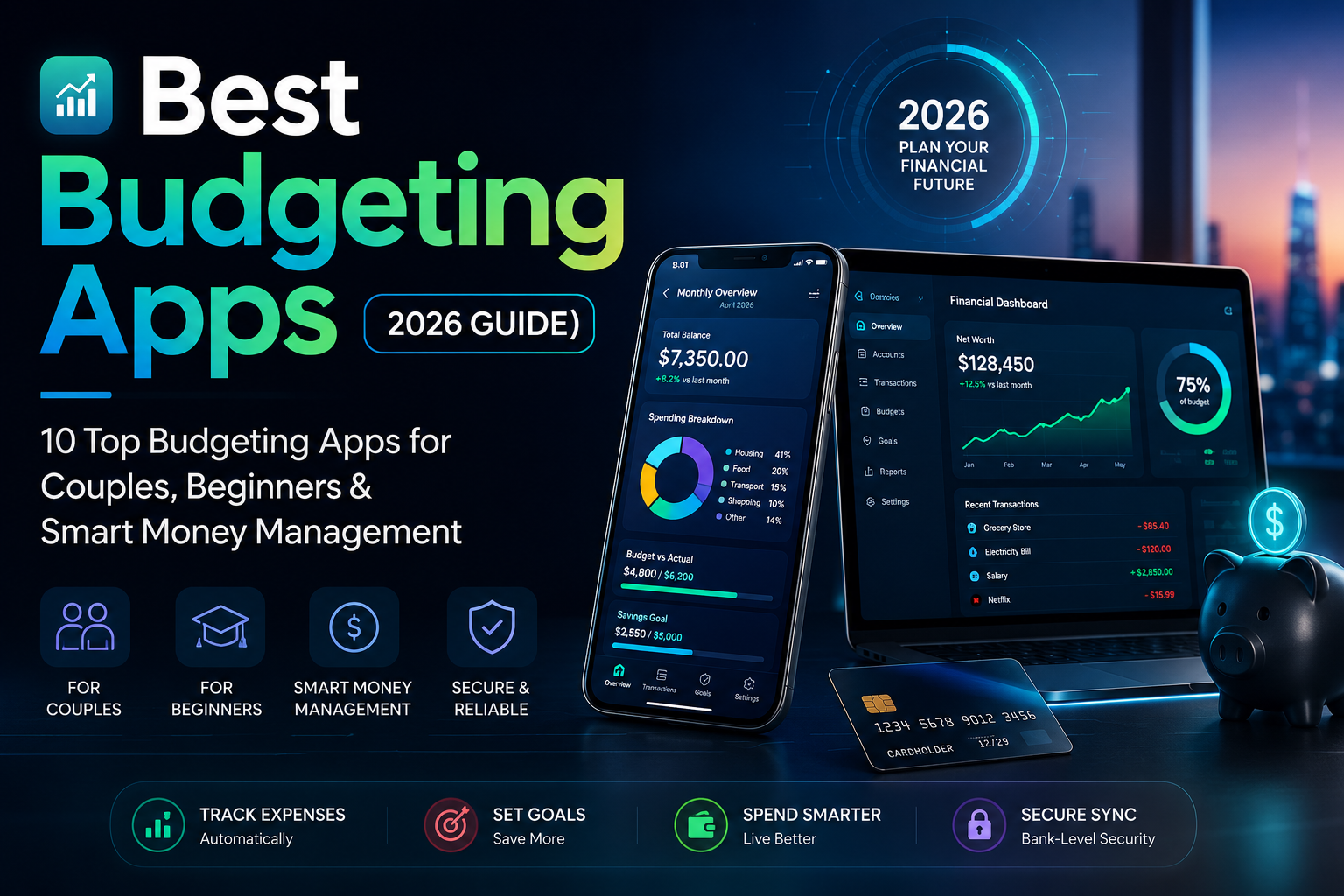
Whether you’re trying to eliminate debt, save for your first home, monitor investments, or simply gain better control over monthly expenses, choosing the right finance tracking app can make a significant difference. In this guide, I’ll share my hands-on experience with the leading budgeting and finance app options available in 2026, explaining where each one excels and who should use it.
Why You Need the Best Personal Finance Apps in 2026
Financial technology has evolved rapidly. Modern personal finance software no longer focuses only on recording expenses. Today’s platforms use artificial intelligence, Open Banking integrations, predictive analytics, and real-time notifications to help users make smarter financial decisions.
Here are the biggest benefits I’ve noticed after years of testing the best personal finance apps:
- Automatic expense categorization saves hours every month.
- Real-time spending alerts reduce unnecessary purchases.
- Investment tracking provides a complete financial picture.
- Subscription monitoring prevents hidden recurring charges.
- Goal-based budgeting improves savings discipline.
- AI insights identify spending patterns that are easy to miss manually.
One trend I’m especially excited about in 2026 is AI-powered financial coaching. Several leading money management app providers now offer personalized recommendations based on your spending habits instead of generic budgeting advice.
How I Evaluate Personal Finance Software
After reviewing finance applications for more than 15 years, I use the same evaluation framework for every finance tracking app I test.
Security & Privacy
Money apps handle highly sensitive information, so security comes first.
I always look for:
- Bank-level encryption
- Multi-factor authentication
- Secure Open Banking connections
- Privacy transparency
- Regular security audits
If a budgeting and finance app lacks strong security practices, I don’t recommend it regardless of its features.

Budgeting Features
The best personal finance apps should make budgeting simple rather than overwhelming.
Important features include:
- Custom spending categories
- Monthly budgets
- Savings goals
- Bill reminders
- Cash-flow forecasting
Apps that require excessive manual work rarely stay installed for long.
Investment Tracking
A quality personal finance software platform should help users monitor:
- Stocks
- ETFs
- Retirement accounts
- Mutual funds
- Net worth
Investment tracking has become essential because people increasingly manage multiple financial accounts.
Bank Synchronization
Automatic syncing is one of the biggest reasons to choose a premium money management app.

Reliable synchronization should include:
- Credit cards
- Checking accounts
- Savings accounts
- Loans
- Investment portfolios
Manual entry is acceptable for occasional transactions, but daily updates should happen automatically.
User Experience
Even powerful finance tracking app platforms become frustrating if they’re difficult to navigate.
I pay close attention to:
- Dashboard design
- Mobile responsiveness
- Navigation
- Speed
- Customization
- Accessibility
Pricing
Free doesn’t always mean better.
Some premium budgeting and finance app subscriptions easily justify their cost through better automation, investment insights, and time savings.
Detailed Reviews
Monarch Money
Overview
Among all the best personal finance apps I’ve tested in recent years, Monarch Money consistently ranks near the top. It combines budgeting, investment tracking, and financial planning into one polished platform.
Key Features
- Unified financial dashboard
- Family collaboration
- Investment monitoring
- Budget planning
- Goal tracking
- Cash-flow forecasting
Pros
- Beautiful interface
- Excellent budgeting tools
- Strong investment support
- Reliable bank synchronization
Cons
- No permanent free plan
- Premium subscription required
Pricing
Paid subscription with free trial.
Best For
Families and professionals wanting complete personal finance software.
My Personal Experience
After several months of testing Monarch Money, I appreciated how quickly it connected multiple financial accounts. The dashboard remained responsive even with several years of transaction history. Its budgeting workflow felt natural, making it one of the easiest money management app platforms to recommend.

YNAB (You Need A Budget)
Overview
YNAB remains one of the most respected budgeting platforms available today. Unlike traditional finance tracking app solutions, YNAB encourages users to assign every dollar a specific purpose before spending.
Key Features
- Zero-based budgeting
- Goal planning
- Debt payoff tools
- Educational resources
- Spending reports
Pros
- Exceptional budgeting philosophy
- Strong educational content
- Excellent reporting
- Active community
Cons
- Learning curve
- Premium pricing
Pricing
Subscription-based with free trial.
Best For
People serious about eliminating debt and improving spending habits.
My Personal Experience
When I first switched to YNAB years ago, I found its budgeting philosophy different from conventional apps. After a few weeks, however, it completely changed how I planned monthly expenses. It’s still one of the best personal finance apps for disciplined budgeting.
Empower Personal Dashboard
Overview
Empower Personal Dashboard stands out for investors who want free portfolio monitoring alongside essential budgeting tools.
Key Features
- Net worth tracking
- Retirement planning
- Investment analysis
- Expense categorization
- Financial reports
Pros
- Free to use
- Outstanding investment dashboard
- Excellent retirement planning
- Reliable synchronization
Cons
- Budgeting tools are basic
- Limited customization
Pricing
Free.
Best For
Investors looking for free personal finance software.
My Personal Experience
I’ve recommended Empower to many long-term investors because its portfolio visualization remains among the best available. If investment tracking matters more than advanced budgeting, it’s an outstanding choice.
Quicken Simplifi
Overview
Quicken Simplifi combines intuitive budgeting with automated spending insights, making it one of the strongest budgeting and finance app options for everyday users.
Key Features
- Spending plans
- Subscription monitoring
- Savings goals
- Cash-flow forecasting
- Mobile synchronization
Pros
- Easy setup
- Clean interface
- Strong reporting
- Excellent bank syncing
Cons
- No permanent free version
- Fewer investment features than competitors
Pricing
Affordable annual subscription.
Best For
Individuals looking for a balanced money management app with budgeting and spending analysis.
My Personal Experience
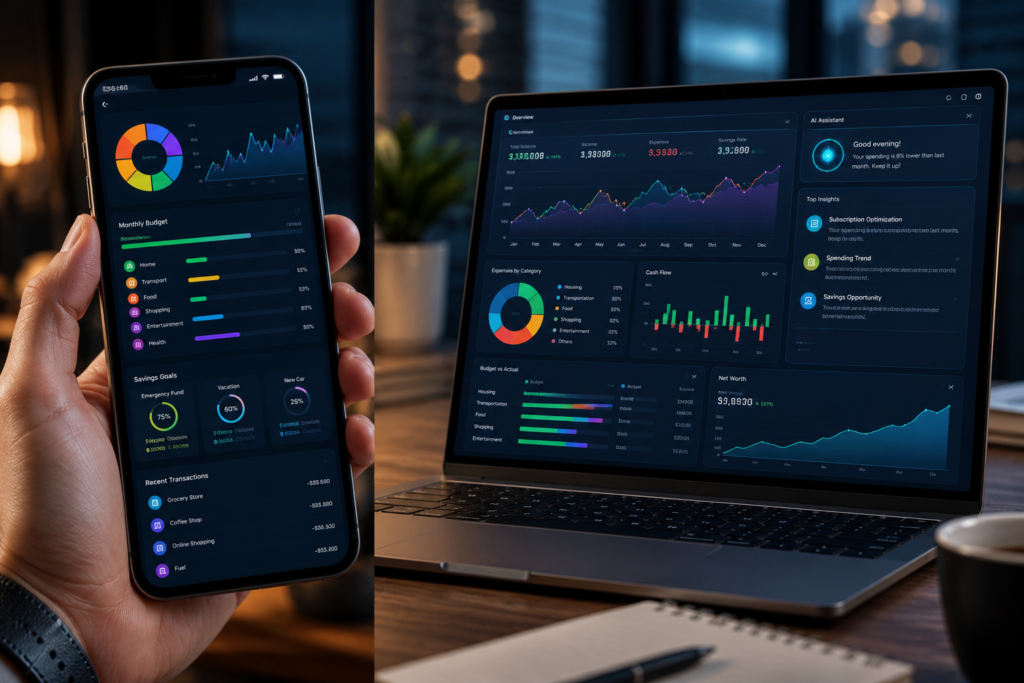
What impressed me most about Quicken Simplifi was its clean design and intelligent spending summaries. Within minutes, it provided useful insights without overwhelming me with unnecessary charts or settings. For users seeking an easy-to-use finance tracking app, it’s one of my favorite recommendations.
Detailed Reviews (Continued)
Rocket Money
Overview
Rocket Money has grown into one of the best personal finance apps for users who want to simplify budgeting while eliminating unnecessary subscription costs. During my testing, I found its subscription management feature to be one of the most accurate in the industry. If you often forget about recurring payments, this money management app can save you far more than its premium subscription costs.
Key Features
- Automatic subscription tracking
- Bill negotiation assistance
- Monthly budgeting tools
- Spending insights
- Credit score monitoring
- Smart financial alerts
Pros
- Excellent subscription management
- Easy-to-use interface
- Helpful spending notifications
- Fast account synchronization
Cons
- Investment tracking is limited
- Some premium features require a paid plan
Pricing
Free plan available with optional Premium subscription.
Best For
People who want to reduce recurring expenses and manage subscriptions effortlessly.
My Personal Experience
One feature that immediately stood out was how quickly Rocket Money identified old subscriptions I had completely forgotten about. Within the first week of testing, it highlighted several recurring charges that could easily go unnoticed. For anyone looking for a practical finance tracking app, Rocket Money offers real financial value.
PocketGuard
Overview
PocketGuard focuses on answering one simple question: “How much money can I safely spend today?” Unlike many complicated personal finance software platforms, PocketGuard keeps budgeting straightforward and easy to understand.
Key Features
- Spending limit calculator
- Budget planning
- Bill reminders
- Goal tracking
- Cash flow monitoring
- Automatic categorization
Pros
- Beginner-friendly
- Simple dashboard
- Strong automation
- Good budgeting tools
Cons
- Limited investment tracking
- Fewer customization options
Pricing
Free version with PocketGuard Plus subscription.
Best For
Beginners searching for a lightweight budgeting and finance app.
My Personal Experience
PocketGuard impressed me because it avoids overwhelming users with excessive reports. Instead, it clearly shows how much disposable income remains after bills and savings goals. That simplicity makes it one of the best personal finance apps for people starting their budgeting journey.

EveryDollar
Overview
Created by Ramsey Solutions, EveryDollar follows the zero-based budgeting philosophy. It encourages users to assign every dollar a purpose before the month begins.
Key Features
- Zero-based budgeting
- Monthly planning
- Expense tracking
- Goal setting
- Debt payoff planning
Expert Tips for Getting Maximum Value from Budgeting Apps
After testing dozens of budgeting and finance app platforms over the last 15 years, these strategies consistently produce the best results:
- Review your budget at least once a week.
- Set realistic monthly savings goals.
- Enable spending notifications and bill reminders.
- Track subscriptions every month.
- Use investment tracking alongside budgeting.
- Categorize expenses accurately.
- Revisit your financial goals every quarter.
- Take advantage of AI-powered insights rather than ignoring recommendations.
- Sync all financial accounts for a complete overview.
- Focus on long-term financial habits instead of short-term perfection.
Frequently Asked Questions
What is the best personal finance app for beginners?
PocketGuard is an excellent choice because its clean interface and automated budgeting make managing money simple without overwhelming new users.
Which personal finance software is best for investment tracking?
Empower Personal Dashboard stands out thanks to its detailed portfolio analysis, retirement planning tools, and comprehensive investment monitoring.
Is a free money management app enough?
For many users, yes. However, premium plans often include advanced budgeting, subscription tracking, investment insights, and financial planning features that can justify the cost.
Are finance tracking apps safe?
Reputable finance tracking app providers use bank-level encryption, secure Open Banking connections, and multi-factor authentication. Always choose trusted providers with strong security practices.
Can budgeting and finance apps help improve my credit score?
While they don’t directly increase your credit score, they help reduce missed payments, control debt, and improve overall financial habits, which can positively influence credit over time.
Which budgeting and finance app is best for families?
Monarch Money offers excellent collaboration features, allowing multiple family members to manage budgets and financial goals together.
Should I choose spreadsheets or personal finance software?
If you enjoy customization and manual analysis, spreadsheets remain useful. For most people, however, personal finance software saves time through automation, real-time syncing, and AI-powered insights.
Final Verdict
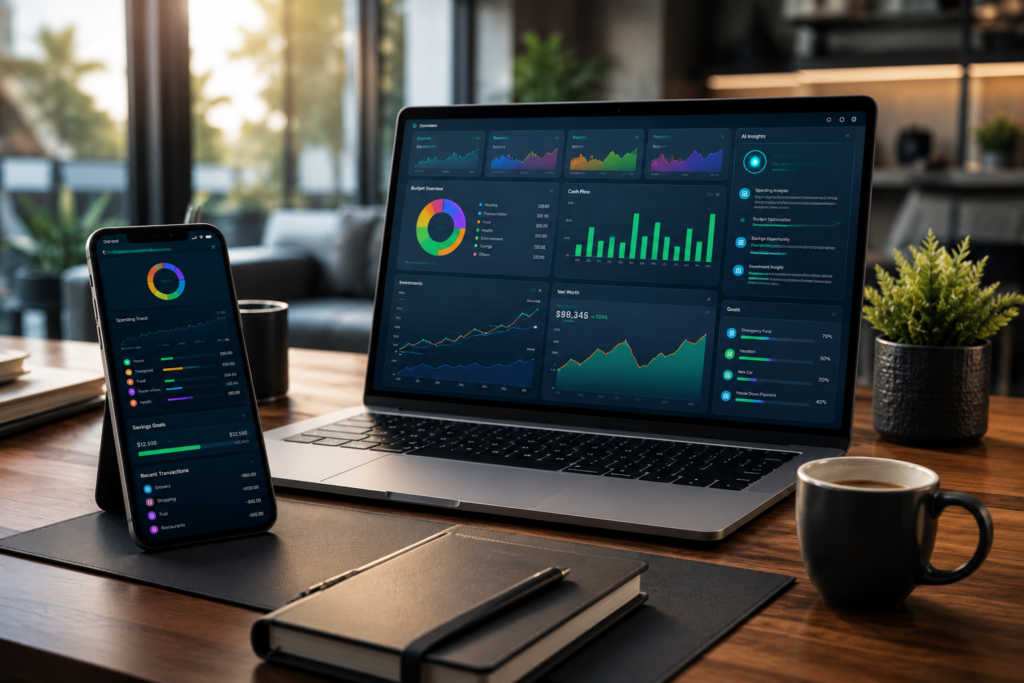
After reviewing dozens of financial tools over the past 15 years, one conclusion remains clear: there is no single best personal finance app for everyone. The right choice depends on your financial goals, budgeting style, and experience level.
If you prioritize comprehensive financial management, Monarch Money is my top recommendation thanks to its excellent balance of budgeting, investment tracking, and family collaboration. Users who want complete control over every dollar should consider YNAB, while investors will appreciate the powerful portfolio tools offered by Empower Personal Dashboard. For those seeking a straightforward money management app, PocketGuard and Rocket Money provide exceptional value with minimal learning curves.
The most important step isn’t finding the app with the longest feature list—it’s choosing a budgeting and finance app you’ll use consistently. Developing strong financial habits, reviewing your budget regularly, and tracking your progress over time will have a far greater impact on your financial future than switching between different apps.
Author

razakh6402@gmail.com
Related Posts
Digital Payments: Future of Digital Payments, Payment Technology & Online Payment Trends (2026 Guide)
- 0
- 2,609 words
The way we pay for goods and services has changed more in the past decade than it did in the previous fifty...
Embedded Finance Explained: Complete Guide to Embedded Banking & Banking as a Service (2026)
- 0
- 2,288 words
Over the last fifteen years, I’ve watched financial services evolve from products that required customers to visit a bank into experiences seamlessly...
Contactless Payments Explained: Complete NFC Payment & Tap to Pay Guide (2026)
- 0
- 2,193 words
Over the past fifteen years, I’ve watched payment technology evolve from magnetic stripe cards and PIN terminals to today’s seamless contactless payments...
Neobank vs Traditional Bank: Complete Digital Banking Comparison Guide (2026)
- 0
- 2,379 words
The debate around neobank vs traditional bank has become more relevant than ever as digital banking continues to reshape how people manage...
Financial Planning Software: 10 Best Personal Financial Planning Software & Wealth Management Software (2026 Guide)
- 0
- 2,621 words
Managing money has changed dramatically over the past decade. When I first began advising clients more than 15 years ago, financial planning...
Best Expense Tracking Apps: Top Expense Tracker & Best Expense Management Software (2026 Guide)
- 2
- 2,595 words
Whether you’re running a startup, managing a growing business, freelancing full-time, or simply trying to control your personal finances, one thing remains...