
- 6
- 1,671 word
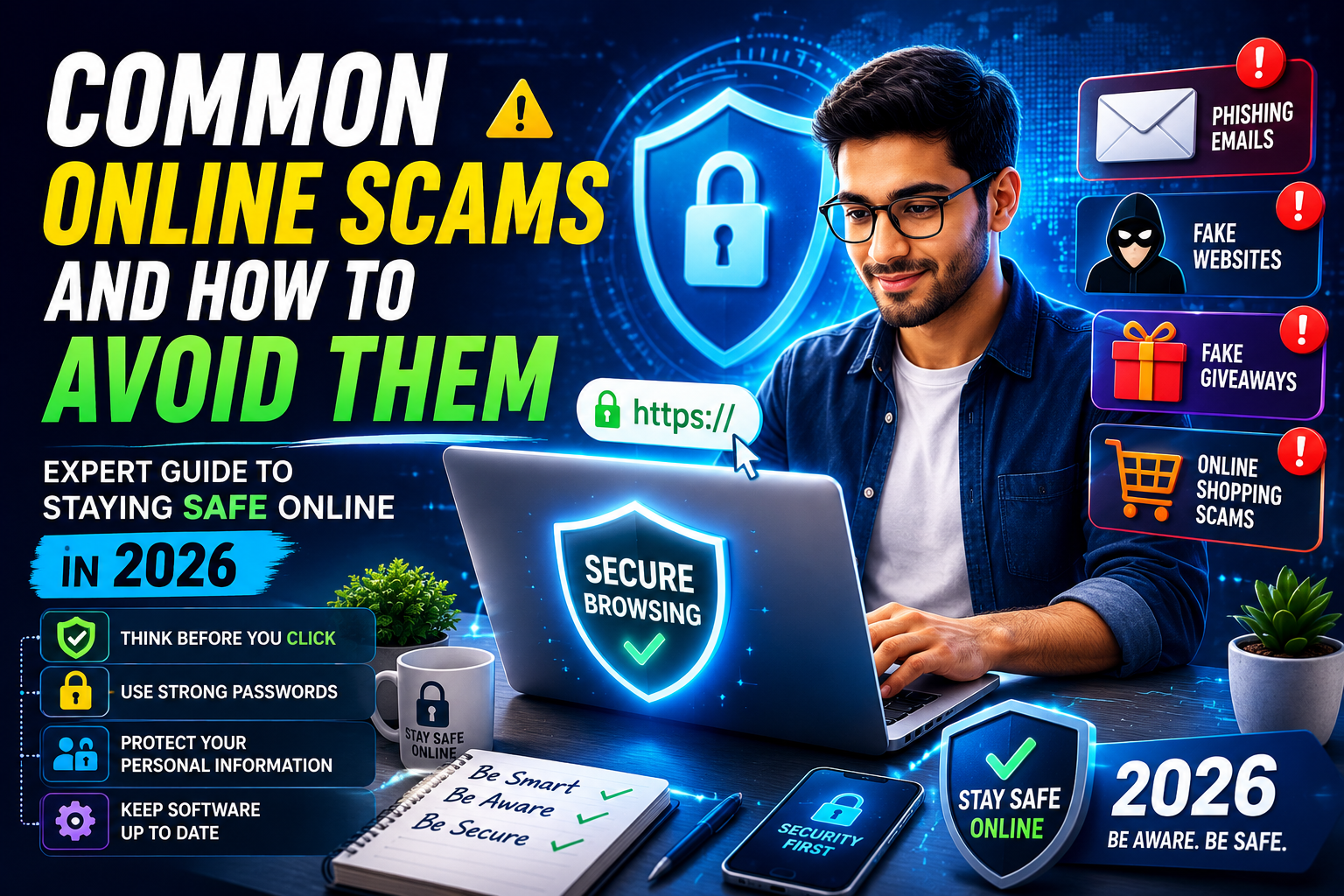
Cybercrime has evolved dramatically over the last few years, and in 2026, online scams have become more sophisticated, convincing, and dangerous than ever before.
After spending more than 15 years investigating cybercrime incidents, helping scam victims recover stolen accounts, and assisting businesses affected by digital fraud, I can confidently say that today’s scammers are no longer relying on poorly written emails or obvious tricks. They now use artificial intelligence, deepfake technology, social engineering tactics, and stolen personal data to create highly believable attacks.
What concerns me most is that many victims are not inexperienced internet users. I’ve seen professionals, business owners, retirees, and even cybersecurity-aware individuals fall victim to common online scams because criminals have become experts at manipulating trust and urgency.
Whether it’s a fake banking alert, a fraudulent shopping website, a cryptocurrency investment scheme, or a phishing email designed to steal credentials, internet scams to avoid are everywhere. Understanding phishing scam protection and learning how to avoid online scams has become an essential life skill in our increasingly digital world.
The good news is that most scams follow recognizable patterns. Once you understand those patterns, you can significantly reduce your risk.
Why Online Scams Are Growing Faster Than Ever
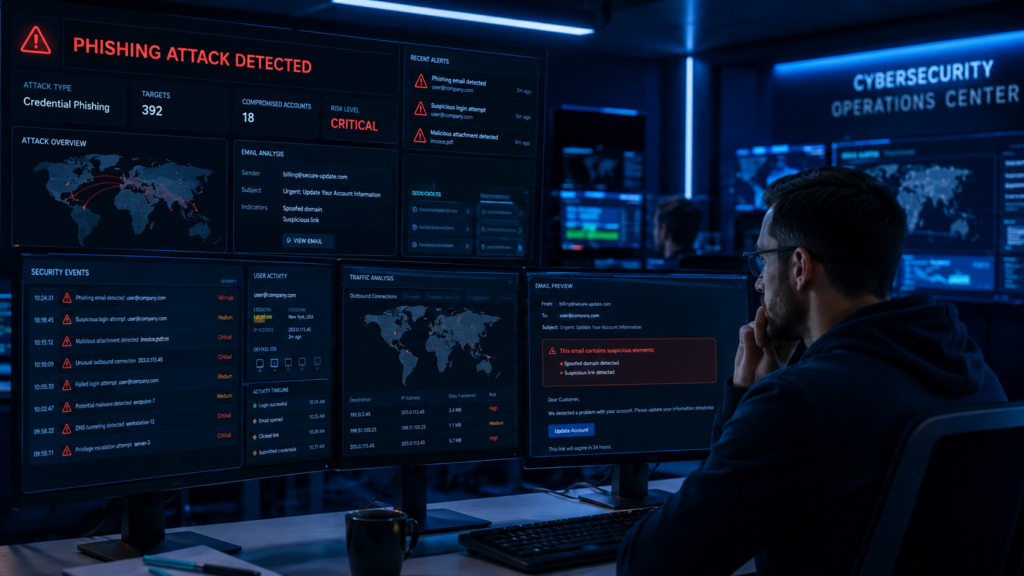
Several factors are driving the rapid increase in cybercrime.
AI-Powered Scams
Artificial intelligence allows scammers to generate personalized messages, fake voices, and realistic conversations at scale.
Social Engineering
Criminals exploit human emotions such as fear, urgency, greed, and curiosity rather than attacking technology directly.
Massive Data Breaches
Millions of leaked records provide scammers with personal details that make attacks appear legitimate.
Increased Digital Dependency
Banking, shopping, healthcare, education, and communication now happen online, creating more opportunities for fraudsters.
From my investigations, I’ve noticed that scammers increasingly target human behavior rather than software vulnerabilities.
Most Common Online Scams You Should Know
Phishing Email Scams
Phishing remains one of the most successful cybercrime techniques.
Common examples include:
- Fake bank notifications
- Account verification requests
- Password reset emails
- Business email compromise attacks
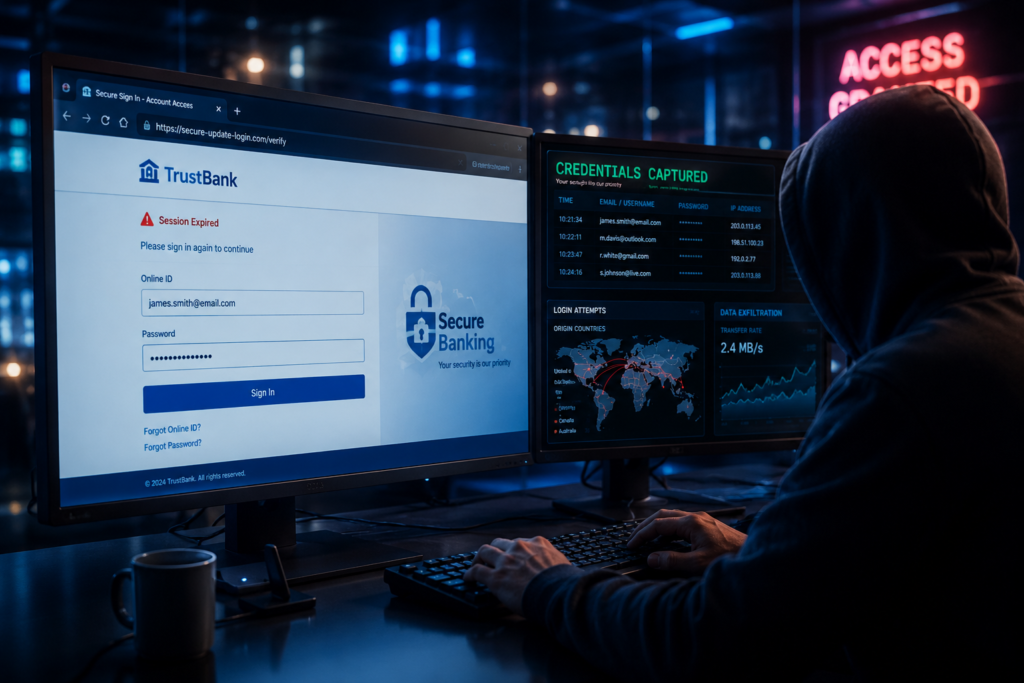
Attackers create fake login pages that look identical to legitimate websites. Victims unknowingly enter usernames and passwords, giving criminals direct access to accounts.
Warning Signs
- Poorly disguised URLs
- Unexpected login requests
- Urgent language
- Suspicious attachments
SMS and WhatsApp Scams
Mobile scams continue to surge globally.
Popular examples include:
- Fake parcel delivery notifications
- Banking alerts
- OTP theft attempts
- Government impersonation messages
Victims are often directed to malicious websites designed to steal personal information.
Social Media Scams
Social media platforms have become major hunting grounds for scammers.
Common scams include:
- Fake giveaways
- Celebrity cryptocurrency promotions
- Romance scams
- Account takeover attacks
- List

One case I handled involved a victim losing thousands of dollars after responding to a fake celebrity investment promotion that appeared completely authentic.
Online Shopping Scams
Online shopping fraud increases significantly during major sales events.
Common tactics include:
- Fake ecommerce stores
- Counterfeit products
- Non-delivery scams
- Payment theft
Scammers create professional-looking websites that disappear after collecting payments.
Cryptocurrency and Investment Scams
Crypto fraud continues to evolve rapidly.
Common schemes include:
- Rug pulls
- Ponzi schemes
- Fake exchanges
- Pump-and-dump operations
Many victims are attracted by promises of guaranteed returns.
A fundamental rule I always share with clients:
If returns sound too good to be true, they almost certainly are.
Job Offer and Remote Work Scams
Remote work opportunities have created new fraud opportunities.
Examples include:
- Fake recruiters
- Equipment purchase scams
- Advance fee fraud
- Identity theft schemes
Scammers often impersonate legitimate companies and conduct convincing interviews.
Tech Support Scams
Tech support scams remain highly effective.
Attackers may claim to represent:
- Microsoft
- Antivirus providers
- Internet service providers
Victims are persuaded to grant remote access, allowing criminals to steal data or install malware.
Comparison Table of Popular Online Scams
| Scam Type | Main Target | Risk Level | Common Warning Signs | Prevention Method |
|---|---|---|---|---|
| Phishing | Email users | High | Fake login pages | Verify sender and URLs |
| Shopping Scams | Online shoppers | High | Unrealistic discounts | Buy from trusted stores |
| Crypto Scams | Investors | Very High | Guaranteed profits | Research platforms thoroughly |
| Tech Support Scams | General users | High | Unexpected warnings | Never allow unsolicited access |
| Job Scams | Job seekers | Medium-High | Upfront fees | Verify employer legitimacy |
| Social Media Scams | Social users | High | Fake giveaways | Confirm through official accounts |
Warning Signs That Indicate a Scam
During investigations, I repeatedly encounter the same red flags.
Urgency Tactics
Scammers pressure victims into acting immediately.
Fear-Based Messaging
Messages often claim:
- Account suspension
- Legal consequences
- Security breaches
Too-Good-To-Be-True Offers
Huge discounts, guaranteed profits, and luxury giveaways often indicate fraud.
Suspicious Links
Always inspect URLs before clicking.
Requests for Sensitive Information
Legitimate organizations rarely request passwords or verification codes through email or messaging apps.
How to Avoid Online Scams
Verify Before You Trust
Always verify unexpected communications independently.
Call the organization directly using official contact information.
Enable Multi-Factor Authentication
MFA adds an additional security layer even if passwords become compromised.
Use Password Managers
Password managers help generate and store strong, unique passwords.
Check URLs Carefully
One misplaced character can indicate a fake website.
This remains one of the most effective phishing scam protection strategies.
Avoid Public Wi-Fi Risks
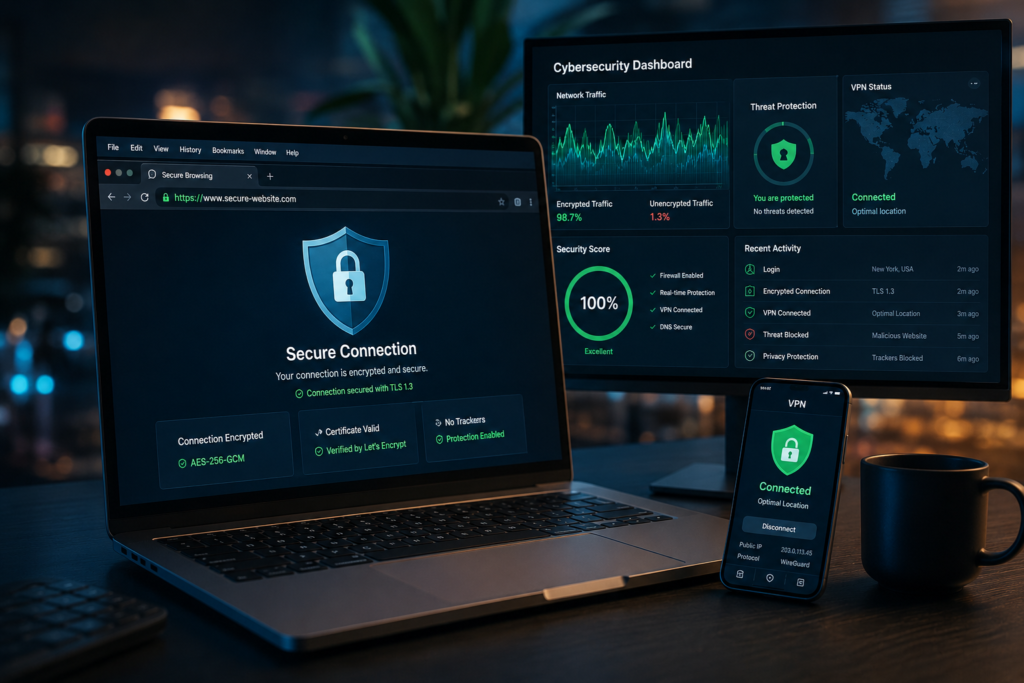
Use secure connections and VPNs when accessing sensitive accounts.
Keep Devices Updated
Software updates often patch critical security vulnerabilities.
These are among the most effective online fraud prevention tips I recommend to clients.
Online Fraud Prevention Tips Used by Cybersecurity Experts
Professional investigators and security teams rely on several habits.
Threat Monitoring
Monitor suspicious account activity regularly.
Secure Browsing Habits
- Avoid unknown downloads
- Block malicious popups
- Verify website certificates
Identity Protection
Limit publicly available personal information.
Account Security Audits
Review account permissions and connected devices.
Financial Monitoring
Check bank and credit card statements frequently.
Early detection often prevents significant losses.
Latest Scam Trends in 2026
Cybercriminal tactics continue evolving.
AI Voice Cloning Scams
Attackers clone voices to impersonate family members, executives, or colleagues.
Deepfake Scams
Video deepfakes are becoming increasingly convincing.
QR Code Scams
Fake QR codes redirect users to credential theft websites.
AI-Generated Phishing Campaigns
Modern phishing emails contain fewer spelling errors and appear highly professional.
Fake Investment Platforms
Advanced scam websites simulate real-time profits to encourage larger deposits.

Based on current trends, I expect AI-assisted fraud to become one of the dominant cybercrime threats over the next few years.
Essential Cybersecurity Tools for Scam Protection
Password Managers
Strong password management significantly reduces account compromise risks.
Antivirus Software
Modern antivirus solutions detect malware, ransomware, and phishing attempts.
VPN Services
VPNs help secure internet traffic on public networks.
Identity Monitoring Tools
These services alert users when personal information appears in data breaches.
Browser Security Extensions
Security-focused browser tools can block malicious websites before they load.
Trusted Resources for Online Safety
For additional guidance, consult authoritative organizations:
- Federal Trade Commission (FTC)
- Cybersecurity & Infrastructure Security Agency (CISA)
- Microsoft Security Blog
- Google Safety Center
- Europol European Cybercrime Centre
These organizations regularly publish threat intelligence and scam alerts.
Frequently Asked Questions
1. What is the most common online scam today?
Phishing remains the most common online scam because it effectively steals login credentials, financial information, and personal data.
2. How can I identify phishing emails?
Look for suspicious sender addresses, urgent requests, unexpected attachments, and unusual website links.
3. What should I do if I clicked a scam link?
Disconnect from the website immediately, change affected passwords, enable MFA, run a malware scan, and monitor accounts for suspicious activity.
4. Are social media giveaways safe?
Some are legitimate, but many are scams. Always verify giveaways through official brand accounts.
5. How can seniors protect themselves from online scams?
Seniors should verify unexpected requests, avoid sharing personal information, enable MFA, and consult trusted family members before making financial decisions.
Expert Recommendations
After 15 years of investigating fraud cases, these practices consistently provide the best protection.
Daily Security Habits
- Use unique passwords
- Enable MFA everywhere possible
- Review financial statements regularly
- Verify unexpected communications
- Update software promptly
Best Phishing Scam Protection Techniques
- Hover over links before clicking
- Verify sender identities
- Use email security filters
- Train yourself to recognize urgency tactics
- Never share verification codes
Most Effective Online Fraud Prevention Tips
- Trust verification over emotion.
- Assume unexpected messages require validation.
- Monitor accounts frequently.
- Protect personal information.
- Stay informed about emerging scam trends.
Conclusion
The landscape of common online scams continues to evolve, but the underlying tactics remain remarkably consistent. Cybercriminals exploit trust, urgency, fear, and curiosity to convince victims to make costly mistakes.
Throughout my career investigating fraud cases, I have seen a recurring pattern: victims rarely lose money because they lack intelligence. They lose money because scammers understand human psychology exceptionally well.
Learning how to avoid online scams is no longer optional. It is an essential digital survival skill.
Remember these key lessons:
- Verify before trusting.
- Enable multi-factor authentication.
- Watch for urgency tactics.
- Protect your personal information.
- Stay informed about emerging threats.
By applying these online fraud prevention tips consistently, you can dramatically reduce your risk and enjoy a safer online experience.
Cybersecurity is not about being paranoid. It is about being prepared.
Start today by reviewing your passwords, enabling MFA, checking account security settings, and educating family members about the latest internet scams to avoid. The few minutes you invest now could save you from significant financial and emotional damage in the future.
Author

razakh6402@gmail.com
Related Posts
Browser Security Extensions: Top Chrome Security Extensions & Privacy Browser Extensions You Need in 2026
- 0
- 2,358 words
best budgeting appsEvery year, browsers become smarter, websites become faster, and online services become more convenient. Unfortunately, cybercriminals evolve just as quickly....
Read out all
Passkeys: How Passwordless Authentication Is Replacing Passwords in 2026
- 0
- 2,452 words
If you’ve ever forgotten a password, reset the same account multiple times, or worried that your login credentials were exposed in a...
Read out all
Cybersecurity Checklist: Essential Small Business Cybersecurity Guide (2026)
- 0
- 2,462 words
Cyberattacks are no longer a problem reserved for large enterprises. Over the last 15 years, I’ve worked with startups, retail stores, healthcare...

Secure Cloud Storage: Best Secure Cloud Storage Services for Business & Personal Use (2026 Guide)
- 0
- 2,443 words
Whether you’re backing up family photos, sharing confidential client documents, or managing sensitive business files, choosing the right secure cloud storage service...
AI Scams: How to Protect Yourself from AI-Powered Scams in 2026 (Expert Guide)
- 0
- 1,918 word
Artificial intelligence has transformed the way we work, communicate, and manage our finances. Unfortunately, cybercriminals have embraced the same technology to create...
Read out all
Future of Cybersecurity: Top Cybersecurity Trends 2026, AI Innovations, and Predictions for the Next Decade
- 1
- 2,173 words
Twenty-five years ago, cybersecurity focused primarily on protecting desktop computers, on-premises servers, and corporate networks. Firewalls, antivirus software, and perimeter defenses formed...
6 comments